
Flowers
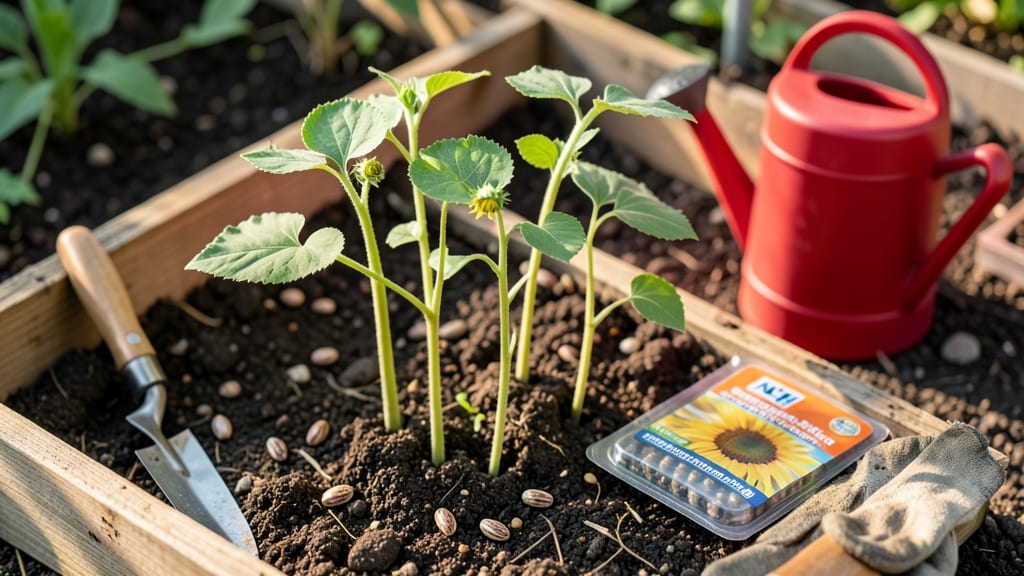
Plant sunflowers in New Jersey between mid-April and mid-June for the best chance at towering blooms 🌻 — timing your seeds with the last frost is the key to avoiding wilted disappointment.
Picture this: you’ve spent weeks dreaming of a sunflower sea in your garden, only to watch your seedlings shrivel under a late frost. It’s happened to more gardeners than you’d think, and NJ’s unpredictable climate makes it even trickier.
The difference between a thriving sunflower patch and a sad, stunted mess often comes down to knowing your frost dates.
New Jersey’s 6a-7a zones mean your planting window can shift by weeks depending on whether you’re in the northern or southern part of the state.
A late frost in April can turn your early April plantings into a sad, leggy mess, while waiting too long risks missing the 70-day maturity window for most varieties. The goal? Start seeds indoors or sow them outdoors once the soil hits 50°F and the frost danger has passed.
In this guide, I’ll break down the exact frost-date timeline for your region, how to stretch your sunflower season with staggered plantings, and the three simple steps to protect your seedlings from late frosts.
By the end, you’ll have a foolproof plan to turn your NJ garden into a sunflower sanctuary.
NJ frost dates and sunflower planting zones: your exact timeline
New Jersey’s last frost dates vary dramatically between its northern and southern regions, creating a 3-4 week difference in your sunflower planting window.
In the north (USDA Zone 6a), like Sussex County, you’ll wait until May 1 on average, while southern NJ (Zone 7a), such as Cape May, can plant as early as April 15.
This regional shift means your sunflower varieties must align with your microclimate to avoid frost damage.
Sunflowers thrive with 70-90 days of warm weather to mature, so timing your planting window is critical. A late-May planting in northern NJ risks first-frost exposure by October, while early-April sowings in southern regions can yield full-season blooms.
Let’s break down your exact planting timeline by region and sunflower type.
🌱 PRO TIP: Use a frost calculator like the Old Farmer’s Almanac to pinpoint your local last frost date. Even within 50 miles, your garden’s elevation can shift frost dates by 1-2 weeks.
For northern NJ gardeners, prioritize fast-maturing varieties like 'Little Becka' (50 days) to avoid early fall frosts. Plant these after May 15 to ensure full bloom before October’s first frost.
Meanwhile, southern NJ growers can experiment with tall varieties like 'Russian Giant', which need 120 days but reward you with 12-foot stalks.
Your soil temperature is just as critical as frost dates. Sunflower seeds won’t sprout until soil reaches 50°F. Use a soil thermometer to confirm readiness—especially in cooler microclimates like the Poconos or Pine Barrens.
If your soil is below 50°F, wait 1-2 weeks or use black plastic mulch to warm it faster.
Did you know? Sunflowers planted in July can still bloom before frost in southern NJ. This summer crop works well for dwarf varieties like 'Sunspot' (3-4 feet tall), which mature in 60 days. Try staggered plantings every 2 weeks from May to July for continuous blooms through October.
If you’re in central or coastal NJ, you can push the envelope with early spring sowings. Cover seeds with row covers or cloches until soil warms to 55°F to jumpstart growth.
Remove covers once true leaves emerge to prevent overheating. This trick adds 2-3 weeks to your growing season.
For container gardeners, timing shifts slightly. Potted sunflowers warm up faster but dry out quicker. Plant dwarf varieties in 5-gallon pots by May 1 in northern NJ or April 15 in the south.
Place containers in full sun and water daily until established—containers heat up and cool down faster than garden beds.
🌻 KEY TAKEAWAY: Match your sunflower variety to your frost-free window. Northern NJ? Stick to
How to extend your sunflower season in NJ: staggered planting for continuous blooms
New Jersey’s short growing season can feel like a race against time for sunflowers—but with succession planting, you can enjoy continuous blooms from June through October. The key is timing: plant in three strategic waves to ensure flowers mature before fall frosts strike.
Even in USDA Zones 6a-7a, this method works by staggering plantings every 2-3 weeks.
Start with cold-hardy varieties like 'Autumn Beauty' or 'Moulin Rouge'—they thrive in NJ’s cool evenings and produce vibrant blooms even when nights dip below 50°F. These varieties also resist powdery mildew, a common NJ issue when humidity spikes in late summer.
Pair them with dwarf varieties like 'Teddy Bear' for container gardens or border edges.
- 1
- 2
- 3
Prepare your soil with compost and aged manure to boost nutrients—sunflowers are heavy feeders and need phosphorus-rich soil for strong stems. Test your soil’s pH (6.0-6.8 is ideal); NJ’s clay-heavy soils often need gypsum or sand to improve drainage.
Work in 2-3 inches of compost 2 weeks before planting to give roots a head start.
Protect seedlings from late frosts (common in NJ’s Zone 6a areas) with floating row covers or black plastic mulch. Remove covers once plants hit 12 inches tall to avoid overheating. In southern NJ (Zone 7a), you can skip covers entirely—just monitor 10-day forecasts for cold snaps.
Water deeply once a week (1-2 gallons per plant) to encourage deep root growth.
Thin seedlings to 12-18 inches apart (closer for dwarf varieties) to prevent crowding and disease. Use scissors or a knife to avoid disturbing roots—sunflowers resent transplanting. Deadhead spent blooms to redirect energy into new flower production, extending your season by 3-4 weeks.
Save seeds from your healthiest plants for next year’s succession plantings!
With this method, my NJ garden stays bursting with sunflowers from July through October, even when neighbors’ gardens have gone dormant. The secret? Timing + variety selection—plus a little extra care for those late-season seedlings.
Now go plant that first wave before the mid-April frost sneaks up on you! 🌻