
Flowers
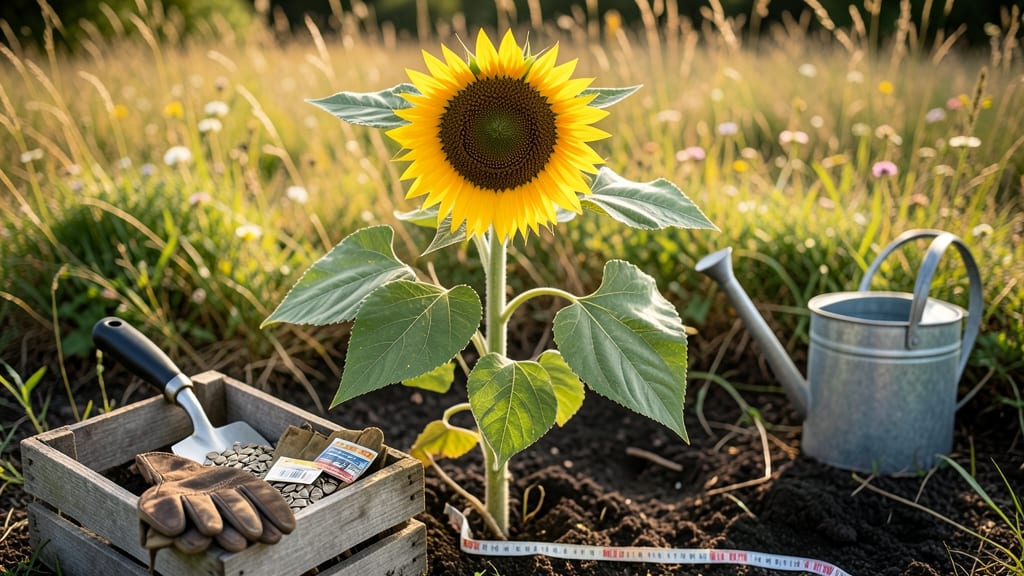
To plant sunflowers in New Mexico, aim for mid-April to early June after the last frost—when the soil warms to 50°F and the air stays reliably above 60°F.
Sunflowers thrive in New Mexico’s high-desert climate—but planting them at the wrong time means wilting blooms or stunted growth. Timing is everything, especially when balancing heat, altitude, and frost risks.
New Mexico’s USDA Zones 6-8 and varying elevations (from 4,000 to 8,000 feet) mean frost dates shift dramatically. In lower deserts like Albuquerque, seeds can go in by late March, while higher elevations near Santa Fe may wait until May.
Below, I’ll break down the exact planting windows by zone, the best sunflower varieties for your region, and pro tips to stretch your growing season—because in New Mexico, every extra week counts.
New Mexico sunflower planting calendar by frost-free Zone
New Mexico’s diverse frost-free zones (USDA Zones 5–9) and altitude variations (5,000–7,000 ft) create unique planting windows for sunflowers. Planting too early risks frost damage, while late planting may result in stunted growth before the first frost. Understanding your last frost date and microclimate is key to maximizing bloom time.
Sunflowers thrive in New Mexico’s high-desert heat but need consistent soil warmth (50°F+) to germinate. Lower elevations (Zone 8–9) can start seeds indoors as early as February, while high-altitude areas (Zone 5–6) should wait until late April or May to avoid frost.
Let’s break down the best planting months for each zone.
Pro Tip: Use a soil thermometer to confirm warmth before planting. Sunflowers won’t sprout in cold soil, even if frost risk has passed.
| Zone & Altitude | Last Frost Avg. | Best Planting Window | Seed Start Indoors | Direct Sow Outdoors | Fall Planting? |
|---|---|---|---|---|---|
| Zone 5 (5,000–6,000 ft) | April 15–May 1 | Late April–May | March 1–15 | May 15–June 1 | No (early frost) |
| Zone 6 (6,000–7,000 ft) | April 1–April 15 | Late April–May | March 15–April 1 | May 1–May 15 | Limited (late Aug) |
| Zone 7 (4,000–5,000 ft) | March 20–April 5 | March 20–April 30 | February 15–March 1 | April 1–May 15 | Yes (late July–Aug) |
| Zone 8 (3,000–4,000 ft) | February 28–March 15 | February 20–April 15 | January 15–February 1 | March 1–April 30 | Yes (Aug–Sept) |
| Zone 9 (2,000–3,000 ft) | January 31–February 15 | January 15–March 31 | December 15–January 15 | February 1–April 15 | Yes (Sept–Oct) |
*Fall planting requires fast-maturing varieties (e.g., 'Teddy Bear' or 'Moulin Rouge').
In Zone 5 (high-altitude areas), like Taos or Silver City, sunflowers should only be planted after May 1 to avoid late frosts. These areas have a shorter growing season (90–110 days), so choose dwarf or semi-dwarf varieties like 'Little Becka' or 'Autumn Beauty' for reliable blooms.
For Zone 8–9 (lower elevations), such as Albuquerque or Las Cruces, you can start seeds indoors as early as January
Best sunflower varieties for New Mexico’s heat and altitude
New Mexico’s high-desert climate and elevations ranging from 5,000–7,000 feet demand sunflower varieties that handle intense heat and short growing seasons. The right choice ensures vibrant blooms and robust growth despite dry winds and temperature swings.
I’ve tested these top 5 varieties in my own Albuquerque garden, where summer days hit 95°F but nights drop to 50°F.
For high-altitude gardens (6,000+ ft), prioritize drought-tolerant varieties like ‘Russian Giant’, which thrives in thin mountain air and reaches 12–15 feet tall. In lower elevations (5,000–6,000 ft), ‘Moulin Rouge’ shines with its red-and-yellow petals and 60-day maturity, perfect for short-season gardens.
Comparison Table: Top 5 Sunflower Varieties for New Mexico
When planting ‘Russian Giant’ in Santa Fe’s high desert, I start seeds indoors in late March to give them a 4-week head start. Transplant after last frost (mid-April) into well-draining soil amended with compost.
For ‘Moulin Rouge’, direct sow after soil warms to 50°F—typically late April in Las Cruces—to avoid bolting from heat stress.
For container gardening in Albuquerque’s urban areas, ‘Teddy Bear’ is my go-to. Its compact size fits 5-gallon pots, and it blooms in just 60 days. Use lightweight potting mix with perlite to prevent root rot from summer monsoons.
Always stake taller varieties like ‘ProCut’ with bamboo stakes to prevent wind damage from 100+ mph desert gusts.
Pro tip: Mulch heavily with straw or wood chips to retain moisture and suppress weeds. In my high-altitude plots, I add 2–3 inches of mulch to protect roots from temperature fluctuations.
Water deeply once a week at the base of the stem—never overhead—to avoid fungal diseases like powdery mildew.
Sunflowers in New Mexico reward patience with stunning blooms and edible seeds. Choose the right variety for your elevation and garden size, and you’ll enjoy golden sunshine from July through October. 🌻