
Flowers
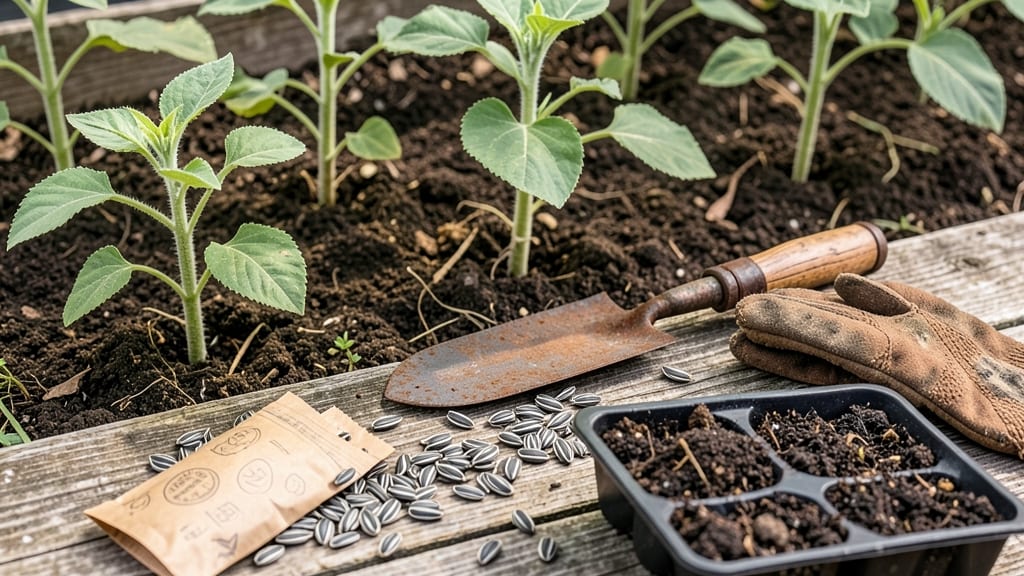
Plant sunflowers in Michigan after the last frost date when soil temperatures hit 50°F, typically between mid-April and mid-June for USDA zones 5b-6b.
Sunflowers bring vibrant color and joy to Michigan gardens—but planting them at the wrong time can mean wilted dreams before they even bloom. Timing is everything, especially with Michigan’s unpredictable frosts and diverse growing zones.
If you wait too long, late frosts can nip tender seedlings, while starting too early risks soggy soil and fungal diseases. The key is reading your local frost-free dates and adjusting for your specific zone, whether you’re in the Upper Peninsula or southern Michigan.
Below, I’ll break down the ideal planting windows by zone, soil prep tips, and how to protect your 🌻 from Michigan’s tricky weather—so you can enjoy towering blooms by summer’s end.
Michigan sunflower planting dates by USDA growing zone (with frost-free guides)
Michigan’s diverse USDA zones (4a-6b) create unique challenges for sunflower growers. The wrong timing can leave your bright yellow blooms stunted by frost or struggling in summer heat. Understanding your last frost dates and soil temperature thresholds is key to a thriving sunflower garden.
Sunflowers thrive when planted after the last frost date, but Michigan’s variable climate means northern zones (like USDA 4a) need earlier starts than southern areas (like USDA 6b). Soil should ideally reach 50°F (10°C) before planting, ensuring strong germination.
For direct sowing, aim for 2-4 weeks after your last frost. Transplants can go in slightly earlier, but hardy sunflower varieties handle cooler soils better. Below is your zone-by-zone frost-free planting guide with exact dates and soil prep tips.
In USDA Zone 4a, where frosts linger into May, opt for fast-growing varieties like ‘Moulin Rouge’ (55 days to bloom). These handle cooler soils and shorter seasons better than standard types. For Zone 6b, you can push planting into early April or even late September for fall blooms.
Always test your soil temperature with a probe before planting. Sunflower seeds won’t germinate below 50°F (10°C), and cooler soils can lead to rot or weak seedlings. If your soil is too cold, use black plastic mulch to warm it faster.
For transplants, harden off seedlings for 7–10 days before moving them outdoors. Acclimate them gradually to prevent shock, especially in Zone 4a, where temperature swings are common. Plant seedlings 1 inch deep and space them 6–12 inches apart, depending on the variety.
Remember: Late frosts are Michigan’s biggest threat. Monitor your local National Weather Service forecasts and have row covers ready to protect young plants if frost is predicted. Even a light frost can damage sunflower leaves, but established plants often recover.
Once planted, sunflowers are low-maintenance. Focus on consistent watering (1–2 gallons per plant weekly) and watch for bird damage—use netting if needed. With the right timing, your sunflowers will reward you with vibrant blooms from July through October.
🌻
How to adjust sunflower planting for Michigan’s unpredictable weather patterns
Michigan’s unpredictable weather can turn a sunflower garden from stunning to sad in weeks. Late frosts in May or early heatwaves in June often catch gardeners off guard. The key to success? Flexible planting strategies that account for Michigan’s USDA zones 4-6 and erratic climate patterns.
I’ve learned through trial and error which adjustments make all the difference.
First, extend your growing season by choosing the right varieties and using protective tools. Early-maturing sunflowers (like ‘Moulin Rouge’) bloom in just 50-60 days, giving you a buffer if frost lingers.
Meanwhile, row covers can push back frost dates by 2-3 weeks—perfect for northern Michigan’s colder zones. Let’s break down the exact steps to protect your sunflowers.
- 1 Plant early varieties (50-60 days to maturity) in late April to early May for northern Michigan (zones 4-5). Use ‘Autumn Beauty’ or ‘Teddy Bear’ for reliable early blooms.
- 2 Use row covers (floating fabric) over seedlings until soil warms to 50°F. This delays frost damage by 2-3 weeks—critical for late-May plantings in zones 5-6.
- 3 Choose late-maturing types (90+ days) for June plantings in southern Michigan (zones 6a-6b). ‘Russian Giant’ thrives in long summers but needs full sun and consistent water.
- 4 Mulch heavily with straw or wood chips to insulate roots during temperature swings. This keeps soil 5-10°F warmer at night, protecting tender seedlings.
- 5 Monitor forecasts and adjust planting dates if frost warnings appear. Use Michigan State University’s frost maps to track real-time risks.
For container gardening, dwarf varieties like ‘Little Becka’ (2-3 feet tall) are ideal—they mature faster and tolerate heatwaves better than giants. Place pots in south-facing spots and water deeply every 2-3 days during dry spells. I’ve seen these thrive even when in-ground sunflowers struggle.
If early heatwaves hit before blooming, shade cloth (30-50% coverage) can prevent bolting stress. Remove it once temperatures drop below 90°F to ensure full sunlight for seed development. This trick saved my ‘ProCut’ variety last summer when June temperatures soared to 95°F.
Finally, save seeds from your healthiest sunflowers to replant next year. Michigan’s short growing season rewards gardeners who adapt—whether through timing, tools, or variety selection. With these strategies, you’ll enjoy vibrant blooms from July through October, no matter what Mother Nature throws your way. 🌻