
Flowers
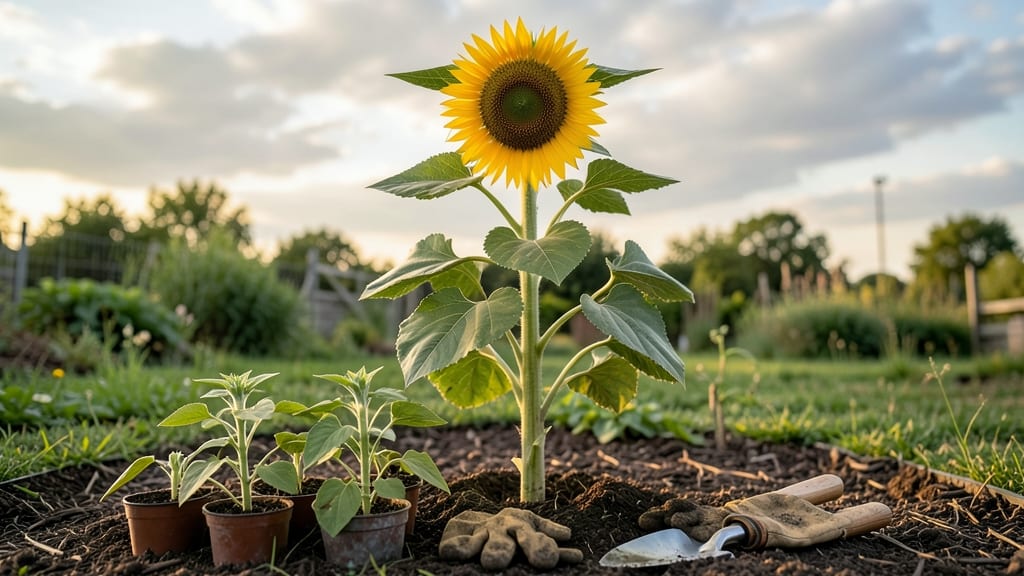
To plant sunflowers in Utah, aim for mid-April through early June after the last frost 🌻 — timing that keeps them blooming all summer long.
Utah’s diverse climate—from high-desert elevations to valley lowlands—means sunflower planting times vary dramatically by USDA zone. Get your timing wrong, and you’ll miss the blooming season entirely.
In zones 5-7, most gardeners wait until soil temperatures hit 55°F—around mid-April for the Wasatch Front, but later in rural areas where frost lingers. Direct sowing is easiest, but transplants can go in as early as late March if you’re brave.
Below, I’ll break down the exact frost-free dates by zone, soil prep tips for Utah’s alkaline dirt, and how to adjust for high-altitude areas where summers feel shorter. Ready to grow those towering 10-foot blooms?
Utah sunflower planting calendar by USDA Zone (with frost-free dates)
Utah’s five USDA zones (4-8) create dramatic differences in sunflower planting windows. High-altitude areas like Logan (Zone 5) have later frost dates than St. George (Zone 8), meaning you could plant months apart in the same state.
Understanding your zone’s last frost date and soil temperature is key to avoiding frost damage or stunted growth. For example, Zone 4 areas need to wait until mid-May, while Zone 8 can start as early as late March.
Sunflowers thrive when planted after soil reaches 50°F (10°C), which typically aligns with Utah’s last frost dates. In cooler zones, use row covers to extend the season. Transplanting seedlings is also an option, but direct sowing yields stronger plants.
Let’s break down the ideal planting windows for each zone, including frost-free dates and soil prep tips tailored to Utah’s climate.
📌 Quick Tip: Check Utah State University Extension’s frost date maps for your specific location, as microclimates can shift planting windows by weeks.
In Zone 4, where frost lingers until mid-May, focus on direct sowing after Memorial Day to avoid transplant shock. Use black plastic mulch to warm soil faster. For Zone 8’s desert climate, plant early to beat summer heat—sunflowers bolt (flower prematurely) if stressed by extreme temperatures.
Aim for March sowing and harvest before July’s intense sun.
Soil temperature is non-negotiable: sunflower seeds won’t germinate below 50°F (10°C). Use a soil thermometer to confirm readiness. In Zone 5-6, wait until soil hits 55°F (13°C) for faster germination. Pro tip: Pre-warm seeds by soaking them in warm water for 24 hours before planting in cooler zones.
Transplanting sunflowers is tricky but possible if done right. Start seeds indoors 2-3 weeks before your zone’s last frost, using biodegradable pots to minimize root disturbance. Harden off seedlings by placing them outdoors for 2-3 hours daily for a week before transplanting.
In Zone 4-5, wait until mid-May to transplant; in Zone 7-8, you can start as early as late March.
Utah’s high-desert zones (4-5) benefit from row covers to extend the season. Remove covers when plants reach 6 inches tall to prevent overheating. For low-elevation zones (7-8), prioritize shade cloth during peak summer to protect young plants from 100°F+ temperatures.
Always plant in full sun—sunflowers need 6-8 hours daily to reach their full height.
🌱 Pro Move: Choose dwarf varieties like ‘Teddy Bear’ for Zone 4’s shorter season, or heat-tolerant types like ‘Moulin Rouge’ for Zone 8’s intense sun. Dwarf varieties mature in 50-60 days, while standard types take 80-120 days.
After planting, maintain 1-2 inches of mulch to retain moisture and suppress weeds. In Utah’s dry climate, deep watering 2-3 times per week is better than daily shallow watering. Once established, sunflowers are drought-tolerant, but young plants need consistent moisture to avoid wilting. Monitor for squirrel damage—they
How to adjust sunflower planting for Utah’s microclimates (high desert vs. valley)
Utah’s dramatic elevation shifts create two distinct sunflower planting zones: the cooler Wasatch Front (Salt Lake City area) and the hotter southern valleys (St. George).
At 4,200 feet in Salt Lake, last frost typically arrives April 15-30, while St. George’s 2,800-foot elevation sees frost-free conditions by March 1-15. These differences mean a 3-4 week planting window shift between regions.
The high desert’s cooler nights and intense daytime sun demand heat-tolerant varieties like ‘Autumn Beauty’ or ‘Moulin Rouge’, while valley areas can handle taller varieties such as ‘Russian Giant’ that thrive in prolonged heat. Understanding these microclimates helps you avoid bolting in cool zones or heat stress in hotter areas.
| Factor | Salt Lake City (High Desert) | St. George (Valley) |
|---|---|---|
| USDA Zone | 6a-6b | 8a-8b |
| Last Frost Date | April 15-30 | March 1-15 |
| Ideal Planting Window | May 1-15 | March 15-April 15 |
| Soil Temp Requirement | 55°F+ | 60°F+ |
| Best Varieties | Autumn Beauty, Teddy Bear | Russian Giant, Mammoth |
| Season Extension Tip | Use black plastic mulch | Plant heat-tolerant varieties |
In cooler high-desert areas, I recommend using black plastic mulch to warm soil faster and extend the growing season. This simple trick raises soil temperatures by 5-10°F, allowing you to plant 2-3 weeks earlier than traditional methods.
For St. George gardeners, focus on shade cloth during peak summer to prevent bolting from heat stress.
Another key adjustment is watering schedules. High desert sunflowers need deep watering every 5-7 days once established, while valley plants may require daily watering during Utah’s 100°F+ heat waves. Always water at soil level to prevent fungal diseases common in Utah’s alkaline soils.
For late-season blooms, try a succession planting strategy in both regions. In Salt Lake, plant every 2 weeks from May through June for continuous blooms. In St. George, stagger plantings in March and April to avoid overwhelming your garden with mature plants during peak heat.
Remember that elevation affects maturity. Sunflowers in St. George may reach full bloom 2-3 weeks earlier than those in Salt Lake. Adjust your harvest timing accordingly to avoid seed loss from late-season rains or frost.