
Flowers
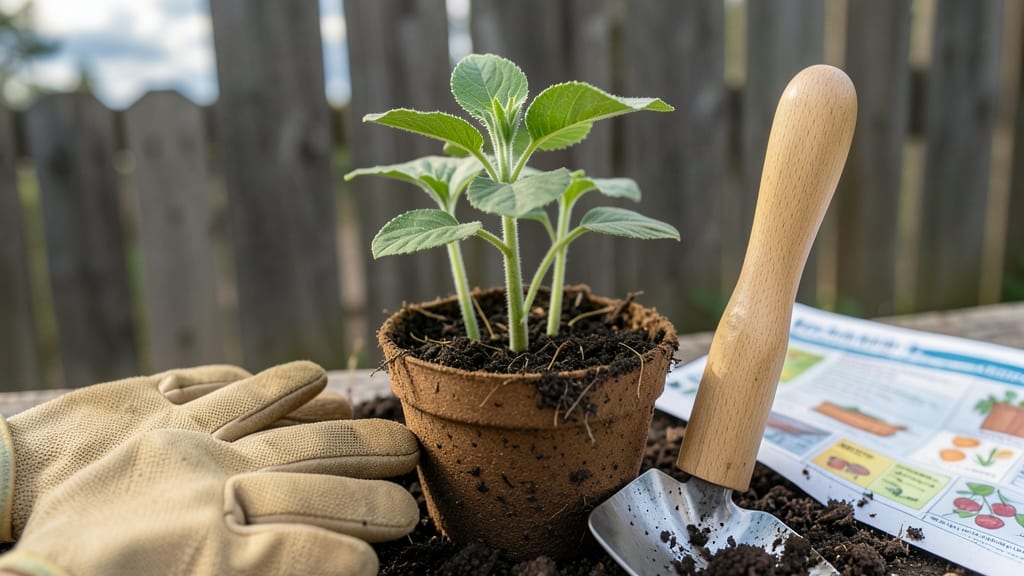
Planting sunflowers in Kansas after your last frost—typically mid-April to mid-May—sets you up for towering blooms and fewer struggles with late frosts or summer heat.
Sunflowers aren’t just cheerful additions to your garden—they’re drought-tolerant, pollinator magnets, and surprisingly easy to grow in Kansas’ variable climate. But timing your planting right in USDA Zones 5-6 can mean the difference between 10-foot giants and stunted stalks.
If you’ve ever watched your 🌻 sunflower seeds sprout only to be nipped by a late frost or bolt in the heat, you know how critical the right window is.
Kansas’ unpredictable weather demands patience—waiting for soil to warm above 55°F and nighttime temperatures to stay above 50°F ensures strong, healthy starts.
Below, I’ll break down the exact planting schedule for your zone, soil prep secrets to beat Kansas’ dry spells, and how to pick varieties that thrive despite our short growing season. No more guessing—just bigger, brighter blooms by harvest time.
Kansas sunflower planting dates by USDA Zone 5-6: avoid late frosts and scorching heat
Kansas gardeners know timing is everything when planting sunflowers in USDA Zones 5-6. The last frost dates (typically April 15–May 15) and summer heat can turn your dream garden into a flop if you’re not careful.
Whether you're in Wichita’s Zone 5b or Kansas City’s Zone 6a, these dates will help you avoid frost damage and scorching heat.
Sunflowers thrive in Kansas because they’re drought-tolerant and love the full sun our state provides. But planting too early risks late frosts, while waiting too long can lead to stunted growth before the first frost in mid-October.
Let’s break down the best windows for both direct sowing and transplanting.
| Zone & Location | Best Planting Window | Soil Temp | Notes |
|---|---|---|---|
| Zone 5b (Wichita, Hays) | Mid-April to May 15 | 50°F+ | Early varieties like 'Autumn Beauty' handle cooler soils. |
| Zone 6a (Kansas City, Topeka) | Late April to June 1 | 55°F+ | Warmer soils allow taller varieties like 'Mammoth' to thrive. |
| Both Zones (Fall Option) | Late July to August 15 | 60°F+ | Dwarf varieties only; harvest before first frost. |
For Zone 5b gardeners, like those in Wichita, aim to plant between mid-April and May 15. The soil needs to warm to at least 50°F for seeds to germinate properly.
If you’re in a cooler microclimate, wait until late April to avoid frost damage. 'Autumn Beauty' sunflowers are a great choice here—they mature quickly and handle cooler temperatures better than giant varieties.
In Zone 6a, such as Kansas City, you have a slightly longer window: late April to June 1. Warmer soils (above 55°F) allow you to plant taller varieties like 'Mammoth' or 'Russian Giant', which need more time to reach their impressive heights.
If you plant in June, focus on dwarf varieties to ensure they mature before the first frost in mid-October.
If you’re considering transplanting instead of direct sowing, note that sunflowers hate root disturbance. Start seeds indoors in biodegradable pots 2–3 weeks before your last frost date, then transplant carefully.
However, direct sowing is easier and often more successful for sunflowers, as they establish quickly and don’t like being moved.
One trick Kansas gardeners use is to plant in stages. Start with an early batch in mid-April for quick blooms, then follow up with a second planting in late May to extend your harvest season.
This works especially well in Zone 6a, where the growing season is longer. Just be sure to space your plantings 3–4 weeks apart to avoid overcrowding.
Watch out for scorching heat in July and August. While sunflowers are drought-tolerant, extreme heat can cause bolting (rapid stem elongation) or flower drop. To prevent this, mulch around your plants with straw or wood chips to retain moisture and keep roots cool.
Water deeply in the early morning to reduce evaporation and fungal risks.
For those in Wichita, where summers can be brutal, consider shade cloth during the hottest part of the day if you’re growing tall varieties. In Kansas City, where humidity is higher, ensure your soil has good drainage to prevent root rot.
Both cities benefit from well-draining soil—amend heavy clay soil with compost or sand before planting.
Finally, don’t forget that fall planting is an option for dwarf varieties! In both zones, you can sow seeds from late July to August 15 for a late-season harvest. Choose varieties like 'Teddy Bear' or 'Moulin Rouge', which mature quickly and can be harvested before the first frost.
This is a great way to extend your sunflower season and enjoy blooms well into October.
With these Kansas-specific planting dates and tips, you’ll be well on your way to growing towering sunflowers that bring joy to your garden and pollinators to your yard. Happy planting! 🌻
5 Critical factors that determine your sunflower planting success in Kansas
Timing your sunflower planting is just the first step—Kansas’ variable climate, soil conditions, and sunlight intensity can make or break your harvest. Even with perfect planting dates, neglecting these five critical factors can leave your sunflowers struggling. Let’s dive into what truly matters beyond the calendar.
First, Kansas’ soil pH plays a huge role. Sunflowers thrive in slightly acidic to neutral soil, ideally between pH 6.0–7.5. Many Kansas soils lean alkaline, so a simple soil test before planting can save you from stunted growth.
Amending with compost or sulfur can adjust pH naturally if needed.
- 1 Soil pH (6.0–7.5): Test and amend Kansas’ often alkaline soil with compost or sulfur for optimal growth.
- 2 Moisture (1–1.5 inches/week): Deep watering 2–3 times weekly during germination and flowering—Kansas’ dry winds demand consistency.
- 3 Full sun (6+ hours daily): Sunflowers won’t tolerate shade—even partial shade in Kansas reduces bloom size and seed production.
- 4 Variety selection: Choose ‘Autumn Beauty’ (dwarf, 3–5 ft) for shorter seasons or ‘Mammoth’ (12–14 ft) if your summer is long and hot.
- 5 Spacing (12–24 inches apart): Overcrowding leads to weak stems and fewer blooms—critical in Kansas’ competitive garden beds.
Watering is another make-or-break factor in Kansas’ dry, windy climate. Sunflowers need 1–1.5 inches of water weekly, but deep watering 2–3 times per week is better than frequent shallow drinks.
Focus on the root zone—avoid wetting the leaves to prevent fungal diseases like powdery mildew, which thrives in Kansas’ humid summers.
Kansas gardeners often overlook sunlight requirements, assuming sunflowers will adapt. But these plants are full-sun powerhouses—they need at least 6 hours of direct sunlight daily. In Kansas, where afternoon sun can be intense, choose a south-facing spot to maximize growth.
Shade cloth isn’t an option; even partial shade will result in smaller blooms and fewer seeds.
Selecting the right sunflower variety is key to success in Kansas’ short growing season. Dwarf varieties like ‘Autumn Beauty’ mature in 50–60 days, perfect for areas with early frosts.
For taller varieties like ‘Mammoth’, plant them in late May to avoid frost damage and give them time to reach their full height before Kansas’ first frost in October.
Finally, proper spacing ensures strong, healthy plants. Crowding seeds or seedlings leads to weak stems and competition, which is disastrous in Kansas’ high-wind conditions. Space seeds 6 inches apart initially, then thin to 12–24 inches apart once seedlings emerge.
This gives roots room to establish and reduces the risk of disease spreading in your garden.