
Flowers
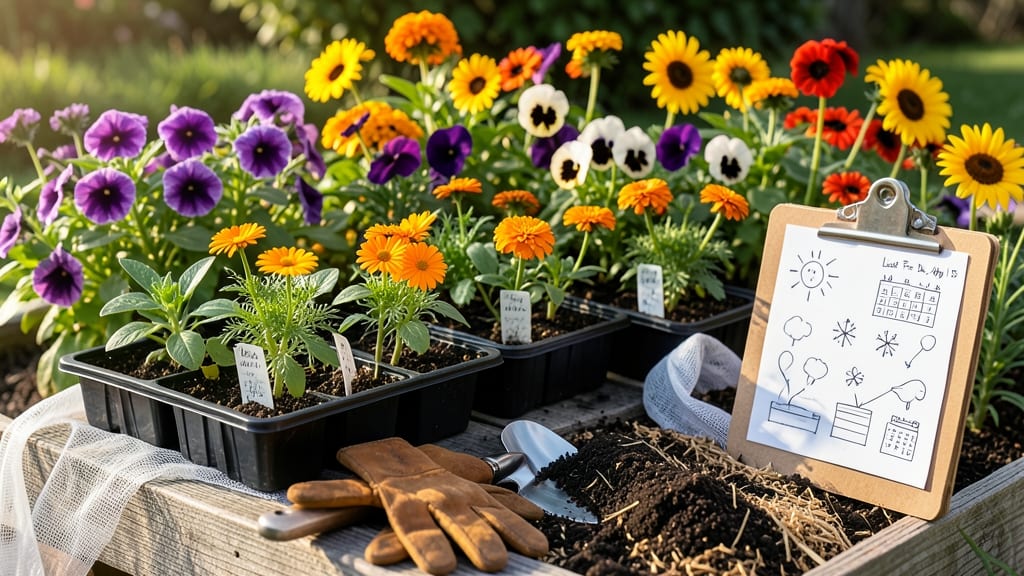
Planting flowers in Pennsylvania at the right time ensures vibrant blooms all season long 🌸 — aim for after the last frost in spring and 6-8 weeks before the first frost in fall.
Timing is everything in gardening—plant too early or too late, and your Pennsylvania flowers might struggle to bloom. But get it right, and you’ll enjoy vibrant gardens from spring to fall, no matter which USDA zone you’re in.
Whether you’re growing tulips in early spring or petunias for summer color, knowing when to plant means fewer setbacks and more stunning results. Below, I break down the best planting windows for annuals, perennials, and bulbs across PA’s 5b-7a zones.
You’ll learn how to adjust for microclimates, avoid common mistakes, and extend your bloom season with simple strategies like succession planting. Let’s get those flowers thriving!
Pennsylvania USDA zones explained: when to plant flowers by region
Pennsylvania spans USDA Zones 5b through 7a, creating distinct planting windows across the state. The southern regions (Zone 7a) enjoy longer growing seasons, while northern areas (Zone 5b) face earlier frosts. Knowing your zone helps you time annuals, perennials, and bulbs for peak blooms and avoids frost damage.
Most of Pennsylvania falls into Zones 6a and 6b, with Philadelphia and Pittsburgh in Zone 6b and Erie and Scranton in Zone 5b. Each zone has 10-14 days difference in frost dates, which directly impacts planting schedules.
For example, Zone 5b’s last frost often occurs around May 15, while Zone 7a’s can be as early as April 10.
Understanding your microclimate is just as important as your zone. Urban areas like Pittsburgh may experience heat islands, delaying frost, while rural mountain regions (e.g., Poconos) can have earlier frosts. Adjust planting times by 1-2 weeks if your yard sits in a valley or near water.
Here’s a quick reference for frost-free dates by zone to help you plan:
| Zone | Last Frost Date | First Frost Date | Best Planting Window | Notes |
|---|---|---|---|---|
| 5b | Mid-May | Mid-October | May 20–June 10 (annuals) Fall: Sept 1–15 (perennials) |
Shortest season; protect tender plants. |
| 6a | Early-Mid May | Late October | May 1–May 20 (annuals) Fall: Sept 15–Oct 1 |
Ideal for most PA gardens. |
| 6b | Late April–Early May | Early November | April 25–May 10 (annuals) Fall: Oct 1–15 |
Longer season; try heat-lovers like zinnias. |
| 7a | Early April | Mid-November | April 10–20 (annuals) Fall: Oct 15–30 |
Southern PA; plant tropicals like cannas. |
For annual flowers, wait until after your last frost date to plant heat-lovers like petunias and marigolds. In Zone 5b, this means holding off until mid-May, while Zone 7a gardeners can start as early as early April.
Use row covers if you’re impatient—just remove them during the day to prevent overheating.
Perennials are more forgiving and can be planted in early spring (March–April) or early fall (September–October). Fall planting gives roots time to establish before winter, while spring planting ensures immediate blooms. For example, daylilies and coneflowers thrive when planted in Zone 6b’s fall window (Sept 15–Oct 1).
Don’t overlook bulbs—they’re the secret to early spring color. Plant tulips and daffodils in fall (October–November) for April–May blooms. In Zone 5b, aim for October 1–15, while Zone 7a gardeners can wait until November 1.
Chill requirements vary, so check labels—some bulbs need 6–8 weeks of cold.
If you’re unsure about your zone, use the USDA Plant Hardiness Zone Map or check local Cooperative Extension offices. They often provide hyper-local frost data based on years of records.
For example, State College (Zone 6a) might average May 10 for last frost, but your yard could vary by 1–2 weeks.
Pro tip: Use heat-loving annuals like geraniums and zinnias in Zone 5b to extend your season. Start seeds indoors 6–8 weeks before last frost, then transplant after May 20. In Zone 7a, you can even try tropicals like hibiscus with winter protection.
Best flowers to plant in Pennsylvania by season: spring, summer, and fall schedules
Pennsylvania’s diverse climate—spanning USDA zones 5b to 7a—means you can enjoy flowers year-round with the right timing. Spring kicks off with cold-hardy annuals like pansies and snapdragons, while summer thrives with heat-lovers like coneflowers and black-eyed Susans.
Even fall offers stunning blooms with asters and mums, and bulbs like daffodils and tulips ensure color even in winter’s quiet.
To maximize blooms, align your planting with Pennsylvania’s frost-free dates.
Most regions see their last frost around April 15, while the first frost typically arrives October 15 in cooler zones. Bulbs like tulips and daffodils should go in the ground by November, while annuals and perennials thrive when planted after the last frost or in early fall for a head start.
Cold-hardy annuals: pansies, snapdragons, sweet peas
Heat-tolerant perennials: coneflowers, black-eyed Susans, daylilies
Late bloomers: asters, mums, chrysanthemums
Winter bloomers: tulips, daffodils, crocuses
For spring, prioritize cold-hardy annuals like pansies and violas, which can handle light frosts and bloom early.
These are perfect for shade gardens or container plantings on patios. Snapdragons and sweet peas also thrive in cooler weather, adding height and texture to your beds. Perennials like peony and bearded iris can be planted in early spring, but avoid disturbing their roots if possible.
As summer arrives, shift to heat-tolerant perennials such as coneflowers and black-eyed Susans, which attract pollinators and thrive in full sun. Daylilies and coreopsis are also excellent choices, offering low-maintenance beauty with minimal watering. Annuals like marigolds and zinnias can be sown directly into the soil for continuous color through August and beyond.
Don’t overlook fall planting, which sets the stage for next year’s blooms. Asters and mums bring late-season color, while bulbs like tulips and daffodils should be planted by October to establish roots before winter. Fall perennials like sedum and heuchera also add structure and interest to your garden as temperatures drop.
Pro tip: Use mulch after planting to retain moisture and regulate soil temperature. For bulbs, apply a 2-3 inch layer of mulch in late fall to protect them from freezing. Water deeply after planting and keep soil consistently moist until roots establish—usually 4-6 weeks for most flowers.