
Flowers
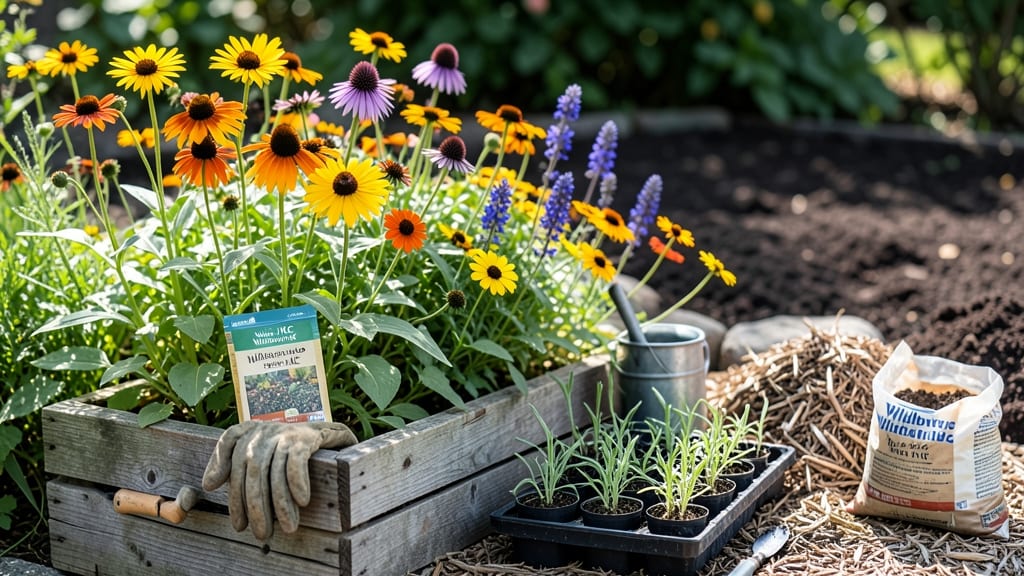
Planting wildflowers in North Carolina at the right time ensures vibrant blooms from spring to fall 🌼 — and the best windows are late winter to early spring or late summer to early fall, depending on your zone.
If you’ve ever watched a patch of wildflowers fade because you planted too early or too late, you know timing makes all the difference. North Carolina’s varied climate—from the cool Appalachian mountains to the humid coast—means one schedule won’t work everywhere.
In this guide, I’ll break down the exact months to plant wildflowers in your USDA zone, whether you’re in the Piedmont’s 7a or the coastal 8b, plus how to prep soil and protect seedlings from pests.
You’ll leave here with a clear planting calendar, tips for extending blooms year-round, and even which native species thrive in your microclimate—no guesswork, just seasonal color that lasts.
North Carolina USDA zones & ideal wildflower planting months by season
North Carolina spans USDA Zones 5b through 8a, creating microclimates that affect when to plant wildflowers. The coastal plains (Zone 8a) enjoy milder winters, while the mountains (Zone 5b) face earlier frosts.
Understanding these zones helps you choose the perfect planting window for annuals and perennials to ensure vibrant blooms year-round.
For annual wildflowers, like cosmos or zinnias, the ideal planting window is March through May in most zones, allowing them to establish roots before summer heat. Perennials, such as coneflowers or black-eyed Susans, thrive when planted in early fall (September-October), giving roots time to settle before winter dormancy.
Frost-free dates vary dramatically across NC. In Zone 5b (mountains), the last frost typically occurs around May 15, while Zone 8a (coastal) sees its last frost by February 15. These dates dictate when to sow seeds or transplant seedlings for maximum success.
Here’s a zone-by-zone breakdown of ideal planting months, tailored to NC’s diverse climate and frost patterns:
In Zone 5b (mountains), where winters are harsh, focus on late spring (April-May) plantings for annuals and early fall (September) for perennials. The cooler temperatures help seeds germinate without stress, while fall plantings give roots time to establish before winter.
For Zone 8a (coastal), you can plant annuals as early as December and enjoy blooms through spring. Perennials thrive with June-July plantings, taking advantage of the mild winters. Coastal areas also benefit from summer-blooming varieties like beach sunflower (Helianthus debilis), which thrive in sandy soils.
Regardless of your zone, soil preparation is key. Loosen the top 2-3 inches of soil, remove weeds, and mix in compost to improve drainage. Wildflowers prefer well-draining soil, especially in clay-heavy piedmont regions or sandy coastal soils.
Scatter seeds lightly and press them into the soil—no need to bury deeply.
After planting, water lightly but frequently for the first 2-3 weeks to encourage germination. Once established, most wildflowers are drought-tolerant and require minimal watering. Mulch lightly with straw to retain moisture and suppress weeds without smothering seedlings.
For coastal gardeners, consider saline-tolerant species like seaside goldenrod (Solidago sempervirens) if your garden is near salt spray. In the mountains, prioritize cold-hardy perennials like purple coneflower (Echinacea purpurea) to withstand freezing temperatures.
Pro tip: Use NC State Extension’s frost date maps to refine your planting schedule. Their tools account for local microclimates, ensuring your wildflowers thrive year after year. With the right timing, your NC garden can burst with color from spring through fall—and even winter in milder zones!
Best wildflower types for NC’s climate & when to sow them
North Carolina’s diverse microclimates—from the coastal plains to the mountainous west—create perfect conditions for wildflowers that thrive year-round. The key is matching native species to your USDA zone (6a-8b) and planting at the right time.
For example, Black-Eyed Susans (Zone 7-8) love NC’s summers, while winter aconite (Zone 6) brightens early spring. Let’s dive into the best drought-tolerant and seasonal varieties and when to sow them for maximum impact.
Timing depends on whether you’re planting seeds or transplants. Seeds need 6-8 weeks to germinate, so late winter (February-March) is ideal for spring blooms, while fall planting (August-September) ensures roots establish before winter. Transplants, however, can go in anytime the soil isn’t frozen, giving you more flexibility.
For NC’s hot, humid summers, prioritize native perennials like Coreopsis or Purple Coneflower, which handle heat and drought like pros.
- 1
- 2
- 3
- 4
- 5
For long-lasting color, mix annuals (like cosmos) with perennials (like goldenrod). Annuals bloom fast—sow cosmos seeds in April-May for summer-to-fall displays—while perennials return year after year. If you’re in Zone 7-8, don’t miss fall-planted bulbs like crocus or tulips for early spring surprises.
Pro tip: Scatter seeds lightly and press into soil—no need to bury deeply. Most wildflowers self-seed, so you’ll get more blooms each year with minimal effort.
Just remember: water deeply after planting to help seeds germinate, then let nature take over. NC’s wildflowers are built to thrive with low intervention once established.
🌼