
Flowers
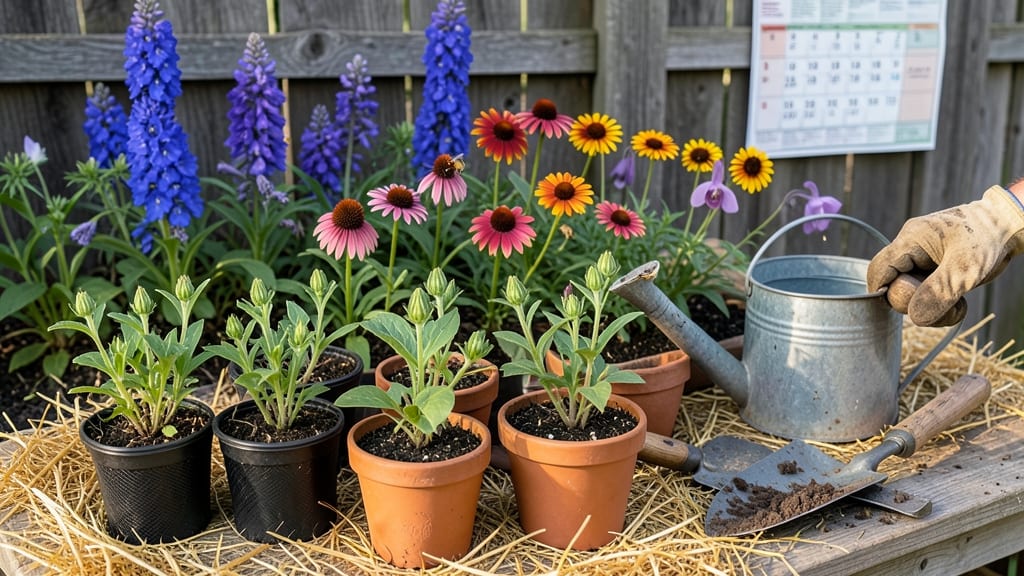
To plant flowers in Denver at the perfect time means waiting until after the last frost date—typically mid-April—when soil warms to 50°F and stays there.
Denver’s unpredictable spring frost and high-altitude climate can turn even the most eager gardener into a guessing game—plant too early, and your flowers freeze; too late, and summer blooms arrive late.
But timing isn’t just about frost dates. Denver’s microclimates—from urban heat islands to the cooler foothills—mean your neighbors’ gardens might be thriving while yours still waits for warmer soil.
Here’s the exact breakdown of when to plant annuals, perennials, and seeds for peak blooms in USDA Zone 5B/6A, plus how to adjust for Denver’s quirks.
Denver flower planting calendar: best months by flower type for zone 5B/6A
Denver’s 5,280-foot elevation and variable frost dates create unique challenges for gardeners. Unlike lower elevations, our last spring frost often lingers until mid-April, while first fall frost can arrive as early as mid-October.
This short growing window demands strategic planting—cool-season flowers thrive in early spring, while warm-season varieties need to wait until after Memorial Day.
To succeed, I’ve broken down planting by flower type, including hardy annuals (like pansies and snapdragons) that tolerate light frosts and tender perennials (such as marigolds and petunias) that need warmer soil.
I’ll also cover when to start seeds indoors versus direct-sowing outdoors, because Denver’s soil warms slowly—critical for avoiding leggy seedlings.
Here’s your Denver-specific planting calendar, designed to maximize blooms while accounting for our unpredictable weather patterns. Use this as your guide to avoid the common mistakes of planting too early (and losing flowers to frost) or too late (and missing summer color).
| Flower Type | Planting Window | Indoor Start (Weeks Before) | Direct Sow After | Frost Tolerance |
|---|---|---|---|---|
| Cool-Season Annuals (Pansies, Snapdragons, Sweet Alyssum) | March–April | 8–10 weeks before last frost | Early March (soil temp 40°F+) | Tolerates light frost |
| Warm-Season Annuals (Marigolds, Petunias, Zinnias) | May–June | 6–8 weeks before last frost | After May 15 (soil temp 60°F+) | Frost-sensitive |
| Perennials (Coneflowers, Black-Eyed Susans, Russian Sage) | April–May or September | Not typically started indoors | After April 15 (or September) | Hardy to Zone 5B |
| Bulbs (Tulips, Daffodils, Hyacinths) | September–October | Not applicable | 6–8 weeks before first frost | Winter-hardy |
| Fall-Blooming Annuals (Mums, Asters, Calendulas) | July–August | 6 weeks before first frost | After July 1 (soil temp 55°F+) | Tolerates light frost |
For cool-season flowers, I recommend starting pansies and snapdragons indoors in February (8–10 weeks before our average last frost date of April 15). These hardy annuals can handle 28°F temperatures, so they’re perfect for Denver’s chilly springs.
Direct-sow sweet alyssum in early March once soil temperatures rise above 40°F—it self-seeds beautifully and blooms in just 6–8 weeks.
Switching to warm-season flowers, like marigolds and petunias, requires patience. I always wait until after Memorial Day (May 25) to plant these frost-sensitive varieties outdoors. Start seeds indoors in early April (6–8 weeks before last frost) to give them a head start.
If you’re in a microclimate with warmer soil (like a south-facing bed), you might push it to mid-May, but monitor nighttime temperatures closely.
Denver’s high-altitude climate also affects perennials. I plant coneflowers and black-eyed Susans in early May once the soil warms to 55°F. These drought-tolerant perennials establish roots quickly and reward you with years of blooms.
For Russian sage, I wait until late May—its deep roots need consistent warmth to thrive.
Don’t forget fall planting! While many gardeners focus on spring, September is prime time for bulbs and fall-blooming annuals. Plant tulip and daffodil bulbs in early September to ensure they root before winter.
For mums and asters, start seeds indoors in July or buy established plants in August to enjoy color until our first frost in mid-October.
Pro tip: Use row covers or cold frames to extend your season. I’ve successfully grown petunias and geraniums until November by covering them after 40°F nights. This simple trick adds 3–4 extra weeks of summer color—worth the effort for Denver gardeners!
Finally, always check the Denver National Weather Service for frost advisories
How to adjust flower planting times for Denver’s microclimates and altitude
Denver’s elevation of 5,280 feet creates unique challenges for gardeners. The city’s urban heat islands can be 10°F warmer than nearby foothills, while high-altitude areas experience earlier frosts.
These microclimates mean your neighbor’s planting schedule might not work for your garden. Understanding these variations helps you time plantings perfectly for longer bloom seasons.
First, check the National Weather Service’s Denver forecast for your specific area. Urban zones like Downtown and Capitol Hill often warm up faster than Westminster or Lakewood.
Use a soil thermometer to confirm when temperatures hit 50°F (10°C)—the safe threshold for most flowers. This simple tool prevents costly mistakes from guessing.
For high-altitude gardens (6,000+ ft), delay planting by 2-3 weeks compared to lower elevations. Areas like Golden or Evergreen may experience late spring frosts even after Denver’s official last frost date of April 15.
Hardy annuals like pansies or snapdragons can handle 32°F (0°C), but tender perennials like petunias need to wait until May 1.
⚠️ Denver’s Hidden Frost Risks
Urban heat islands can fool you—even in May, foothills may still see frost. Use row covers for tender seedlings until nighttime temps stay above 40°F (4°C). For high-altitude gardens, wait until May 15 for warm-season flowers like marigolds or zinnias.
Pro tip: Plant cool-season flowers (e.g., calendula, stock) in containers—they warm up faster and let you extend the season by moving pots indoors during cold snaps.
Container gardening is a game-changer for Denver’s climate. Pots absorb heat faster than soil, giving you a 2-3 week head start on spring plantings. Fill containers with lightweight potting mix to prevent compaction, and use self-watering pots to avoid drought stress.
Place them near south-facing walls to maximize warmth—this trick works especially well for basil or geraniums, which thrive in heat.
Don’t overlook fall planting, either. Denver’s first frost typically arrives October 15, but hardy flowers like asters or chrysanthemums can be planted as late as September 1.
These perennials establish roots in cool weather and reward you with early spring blooms. Mulch heavily with straw to insulate roots and protect against temperature swings.
For extended-season blooms, try succession planting. Start cool-season flowers (e.g., sweet peas, larkspur) in March, then follow with warm-season varieties (e.g., cosmos, sunflowers) in late May.
This staggered approach ensures continuous color from May through October, even in Denver’s short growing season. Pair this with deadheading spent blooms to encourage reblooming.
Finally, monitor your garden’s microclimate year-round. A simple DIY frost gauge (a jar of water with a floating object) helps track frost depth. If your garden sits in a cold air pocket, opt for low-growing flowers (e.g., ajuga, creeping thyme) that tolerate light frost.
With these adjustments, you’ll turn Denver’s challenges into vibrant, long-lasting blooms.