
Flowers
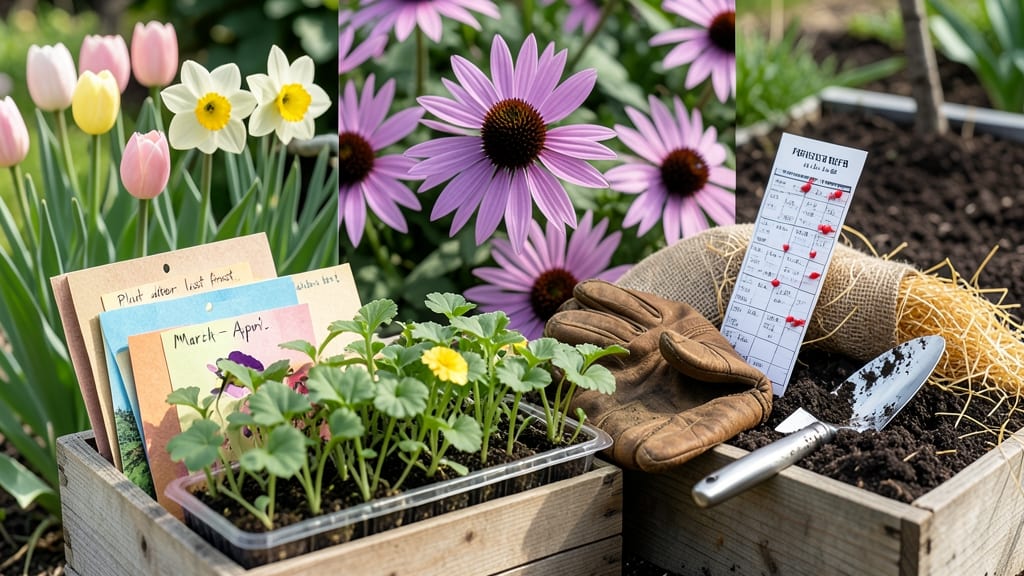
Planting flowers in Nebraska at the right time means the difference between a garden that thrives and one that struggles — and with USDA Zone 5b’s short growing season, timing is everything.
Nebraska’s unpredictable spring weather can turn a beautiful flower garden into a gamble—but timing your plantings right ensures vibrant blooms all season long.
Most gardeners here know the frustration of watching frost nip tender seedlings or summer heat scorch plants before they even bloom. The key? Planting after the last frost date (typically around April 15), but not so late that your flowers miss their prime blooming window.
In this guide, I’ll break down the best planting windows for annuals, perennials, and bulbs in Nebraska, plus tips to adjust for late frosts and early heat. By the end, you’ll know exactly when to plant your 🌸 for a showstopping garden every year.
Nebraska flower planting timeline by type: annuals vs perennials vs bulbs
Nebraska’s Zone 5b climate creates a delicate balance for gardeners—plant too early, and frost will nip tender sprouts. Plant too late, and your flowers may struggle to establish before summer’s heat.
The key is understanding the distinct planting windows for annuals, perennials, and bulbs, each with unique needs tied to Nebraska’s average last frost date (April 15) and first frost (October 15).
Annuals like marigolds and petunias thrive when planted after the last frost, while perennials such as coneflowers and black-eyed Susans can handle early spring soil. Bulbs, whether spring-blooming tulips or fall-planted daffodils, follow their own schedule.
Below, I’ve broken down the exact timing for each type to help you plan a garden that blooms from spring to fall.
| Plant Type | Optimal Planting Window | Notes |
|---|---|---|
| Annuals (e.g., Marigolds, Petunias, Zinnias) | After last frost (mid-April) to early June | Tender to frost; start indoors 6-8 weeks before last frost for early blooms. |
| Perennials (e.g., Coneflowers, Daylilies, Lavender) | Early spring (March-April) or fall (September-October) | Establish roots before extreme heat/cold; fall planting allows root growth before winter. |
| Spring-Blooming Bulbs (e.g., Tulips, Daffodils, Hyacinths) | Fall (September-October) | Requires chilling period; plant 6-8 weeks before ground freezes. |
| Fall-Blooming Bulbs (e.g., Crocosmia, Fall Daffodils) | Early summer (June-July) | Needs time to establish roots before winter; avoid late summer planting. |
| Tender Perennials (e.g., Salvia, Russian Sage) | After last frost (mid-April) or wait until May | Cold-sensitive; wait until soil warms to 60°F (15°C). |
For annual flowers, the window between mid-April and early June is critical. Nebraska’s spring can be erratic, so I recommend waiting until the soil temperature reaches 60°F (15°C)—use a soil thermometer to check.
If you’re starting seeds indoors, begin 6-8 weeks before the last frost (around February 20) for varieties like geraniums or impatiens.
Perennials are more forgiving but still benefit from early planting. In early spring (March-April), focus on hardy perennials like black-eyed Susans or sedum, which can tolerate cooler soil. Fall planting (September-October) is ideal for establishing roots before winter, especially for daylilies or coral bells.
Avoid planting perennials in late summer (August), as the heat can stress young roots.
Bulbs are a Nebraska gardener’s secret weapon for early spring color. Plant spring-blooming bulbs like tulips and daffodils in September-October, giving them time to root before winter. For fall-blooming bulbs such as crocosmia, plant in June-July to allow root establishment before the first frost.
Pro tip: Plant bulbs 6 inches deep and 6 inches apart for optimal blooms.
Don’t overlook fall planting for bulbs—it’s one of the easiest ways to ensure vibrant spring displays. In Nebraska’s climate, bulbs planted in late September will have 6-8 weeks of root growth before the ground freezes, setting the stage for robust blooms next year.
For annuals, consider a second planting in early July for late-summer color with varieties like zinnias or cosmos.
Adjust your timeline based on microclimates in your area. Urban heat islands or sheltered garden spots may warm up faster, allowing earlier plantings. Always monitor local frost forecasts—a late frost in May can still damage tender annuals.
If frost threatens, cover young plants with frost cloth or a lightweight blanket.
Finally, remember that soil preparation is just as important as timing. Amend your soil with compost in early spring to improve drainage and fertility. For bulbs, mix in bone meal at planting time to encourage strong root growth.
With these guidelines, your Nebraska garden will burst into color from early spring tulips to late-summer zinnias.
🌷
How to adjust planting dates for Nebraska’s unpredictable weather patterns
Nebraska’s unpredictable frost dates and sudden temperature swings can throw off even the most careful gardener. I’ve learned that flexibility is key—what worked last year might fail this spring.
The average last frost date hovers around April 15, but late frosts in May aren’t uncommon, especially in western Nebraska.
For cold-sensitive flowers like marigolds or petunias, waiting until after May 1 gives them a better chance to survive. Meanwhile, hardy perennials like coneflowers or black-eyed Susans can handle cooler soil, making them ideal for early April planting.
⚠️ WARNING: Late Frost Risk ⚠️ Planting too early can kill tender seedlings. Use a soil thermometer to check for 50°F+ soil temps—critical for germination. In eastern Nebraska, wait until April 20 for annuals, while western regions may need to push back to May 5.
For bulbs like tulips, plant in fall (October) when soil temps drop below 60°F.
Cold frames and row covers are my secret weapons against late frosts. I’ve used them to extend the season by 2-3 weeks for delicate flowers like geraniums. Simply drape a frost cloth over seedlings on cold nights (below 32°F) to protect them.
For heat-loving flowers like sunflowers, wait until after June 1 to avoid bolting in Nebraska’s hot summers.
When in doubt, I rely on backup planting dates. For annuals, have a second batch of seeds ready to sow 2 weeks later if the first planting fails. For perennials, divide and replant late bloomers like daylilies in early June for a second flush of flowers.
Heatwaves can also stress plants. If a 90°F+ spell hits, I mulch heavily to retain moisture and water deeply in the morning to reduce evaporation. For container-grown flowers, move them to shadier spots temporarily to prevent wilting.
Remember, Nebraska’s first frost typically arrives around October 15, but fall planting for cool-season flowers like pansies can start as early as August 15. Give them time to establish roots before winter sets in—aim for 6-8 weeks before the first frost.