
Flowers
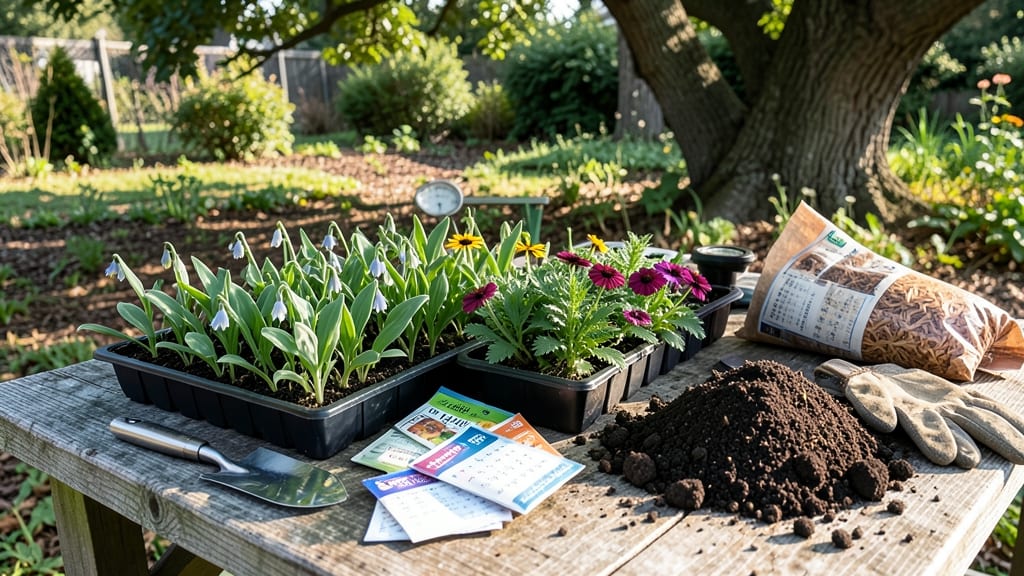
Planting flowers in Virginia means timing your seeds and transplants to the last frost date—whether that’s mid-March in the mountains or early April in the Tidewater region.
Get it wrong, and your 🌸 blooms may never take hold. But with Virginia’s 6a-8a zones and unpredictable weather, knowing exactly when to start seeds indoors or set out tender annuals is the difference between a showstopping garden and a season of disappointment.
This guide breaks down the best planting months for perennials, annuals, and bulbs in each zone, plus how to adjust for microclimates—so your flowers thrive from spring through fall.
You’ll learn the exact frost-date math for your area, which flowers to plant in late winter (yes, some!), and how to stretch your growing season with simple tricks like row covers and cold frames.
Virginia flower planting timeline by USDA Zone and frost dates
Virginia’s USDA Zones 6a-8a create dramatic differences in frost dates, meaning what works in Zone 6a (like the Blue Ridge Mountains) fails in Zone 8a (Tidewater region). Understanding these last/first frost averages ensures your annuals, perennials, and bulbs thrive.
For example, tender petunias need after-May planting in Zone 6a but can go in April in Zone 8a.
I’ve broken down planting windows for Virginia’s 5 key zones, including cold-hardy perennials (like coneflowers) that handle Zone 6a’s November 1 first frost, versus heat-sensitive annuals (like impatiens) that must wait until Zone 8a’s April 15 last frost.
Microclimates—like urban heat islands or valley frosts—can shift these dates by 2-4 weeks, so I’ll show you how to adjust.
For Zone 6a gardeners, I recommend starting cool-season annuals like pansies and snapdragons indoors by February 1—they’ll need 8–10 weeks before your March 15 last frost.
Meanwhile, Zone 8a gardeners can sow marigolds and zinnias directly in February since their April 15 last frost is weeks earlier. Bulbs like tulips should go in October–November across all zones, but Zone 6a needs them in ground by October 15 to avoid freeze damage.
Perennials like black-eyed Susans and bee balm can handle Zone 6a’s early frosts if planted by April 15, but tender perennials (e.g., canna lilies) must wait until May 1 in Zone 6a or April 1 in Zone 7a.
Always harden off transplants for 7–10 days before setting them out—this is critical in Zone 6a, where late-spring frosts can still hit around May 10.
Fall planting is your second chance for cool-season bloomers. In Zone 6a, sow pansies and sweet alyssum
Best flowers to plant in Virginia by season (with exact months)
Virginia’s four distinct seasons create perfect conditions for year-round blooms, but timing is everything. Plant too early, and frost will nip delicate petals. Too late, and your flowers may struggle to establish roots before summer heat arrives. The key?
Matching each flower’s hardiness zone (6a-8a) with Virginia’s average last frost dates (March 15 in Zone 6a to April 1 in Zone 8a) and first frost dates (November 1 in Zone 6a to November 30 in Zone 8a).
For spring bloomers, like tulips and daffodils, I start planting bulbs in October or November—6-8 weeks before the ground freezes. By March, I’m tucking in pansies and violas for early color, while zinnias and marigolds wait until April 15 or after the last frost.
Fall perennials like mums and asters get planted in September, while winter jasmine and heather thrive when added in early October.
- 1 Spring (March-May): Plant tulips and daffodils in October-November (bulbs). Transplant pansies and snapdragons in March after frost risk passes. Wait until April 15 for zinnias and petunias.
- 2 Summer (June-August): Sow marigolds and cosmos directly in May for continuous blooms. Deadhead zinnias and sunflowers every 2 weeks to encourage more flowers. Start fall mums indoors in June for September planting.
- 3 Fall (September-October): Plant chrysanthemums and asters in September for October-November color. Add winter jasmine and heather by early October to establish roots before dormancy. Mulch perennials with 3 inches of straw to protect from early frosts.
- 4 Winter (December-February): Plant crocuses and snowdrops in November for early spring blooms. Divide overcrowded perennials like peonies in late winter (February) before new growth starts. Use winter jasmine as a frost-resistant accent.
My Zone 7a garden in Northern Virginia thrives with early spring bloomers like bleeding heart and lungwort, planted in September for April showstoppers. For summer heat lovers, I swear by black-eyed Susans and coneflowers, which I direct-sow in May after soil temps hit 60°F.
In Zone 8a areas like Norfolk, you can push the envelope by planting tender annuals like geraniums as early as February under row covers.
Don’t overlook fall-planted bulbs like tulips and alliums—they naturalize beautifully and multiply over years. I’ve found that September 15 is the sweet spot for bulbs in Zone 6a, while Zone 8a gardeners can wait until October 15.
For container gardens, I use self-watering pots and switch out summer annuals for cool-season pansies by September 1 to extend the blooming season.
Pro tip: Use Virginia Cooperative Extension’s frost date maps to fine-tune your schedule. In mountain regions (Zone 6a), aim for May 10 for warm-season flowers, while coastal areas (Zone 8a) can plant 2 weeks earlier. Always check soil temperatures—most flowers need 60°F+ to germinate successfully.
With this seasonal roadmap, your Virginia garden will burst with color year-round, from snowdrops in February to chrysanthemums in November. The secret? Planting at the right time—not just the right season. 🌸