
Flowers
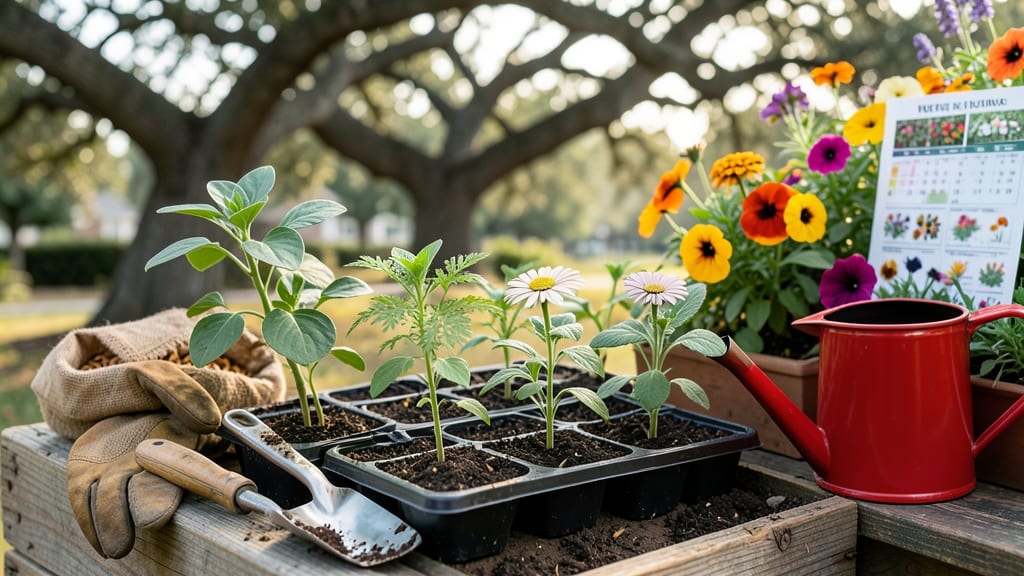
To plant flowers in Houston, aim for late February through early November—skipping the frost-sensitive months when temperatures dip below 40°F.
Houston’s humid summers and unpredictable winters make timing your flower planting critical—get it wrong, and your blooms may wilt before they even sprout.
But here’s the good news: with the right schedule, you can enjoy vibrant gardens year-round, from frost-resistant perennials like Lantana to heat-loving annuals such as Zinnias.
Below, I’ll break down the ideal planting windows, frost dates, and heat-tolerant varieties that thrive in Houston’s 9a climate—so you can avoid common pitfalls and keep your garden blooming all season.
Houston’s first frost & last frost dates: critical planting windows
Understanding Houston’s average frost dates is the key to unlocking a thriving garden year-round. With USDA Zone 9a conditions, we enjoy longer growing seasons than most of the U.S., but those first and last frost dates still dictate when to plant annual vs. perennial flowers.
The last frost typically arrives around March 15, while the first frost usually hits November 28—but these dates can shift by weeks due to urban heat islands in cities like Houston.
For annual flowers, timing is everything—plant too early, and a late frost will kill tender seedlings. For perennial flowers, the strategy shifts to establishing roots before winter dormancy.
My garden thrives when I align planting with these critical frost windows, adjusting for microclimates like shaded courtyards or sun-baked driveways. Even a 5°F difference can mean the difference between a lush garden and a sad, frost-bitten mess.
Pro Tip: Use mulch and row covers to extend your planting season by 2-4 weeks in both spring and fall. These simple tools can shield delicate plants from unexpected light frosts or heatwaves, giving you more flexibility with your flower planting schedule. I’ve saved countless pansies and marigolds this way!
Houston’s urban heat islands create unique microclimates where sidewalks can be 10°F warmer than nearby parks. This means your backyard garden might experience later last frosts or earlier first frosts than official records suggest.
Pay attention to your specific location—elevated areas or paved surfaces can delay frost, while low-lying spots may freeze sooner.
Here’s how I break down the planting windows based on frost dates:
Spring Planting (Post-Last Frost): Once temperatures consistently stay above 50°F (usually mid-March), it’s safe to plant warm-season annuals like zinnias, lantana, and sunflowers. Perennials like salvia and blackfoot daisy can go in as early as February in sheltered spots, but wait until March for full sun areas.
Fall Planting (Pre-First Frost): Cool-season flowers like pansies, snapdragons, and calendulas thrive when planted 6-8 weeks before frost (around September 20). This gives them time to establish roots before winter. Bulbs like tulips and daffodils should go in the ground by November 1 to avoid frost damage.
Winter Considerations: Houston’s mild winters mean some frost-tolerant perennials (like iris and daylilies) can stay in the ground year-round. However, tender annuals like impatiens won’t survive below 32°F, so I treat them as seasonal players. Even native wildflowers may need light protection during unexpected freezes.
Microclimate Adjustments: If your garden is near concrete or asphalt, expect earlier frosts—plant heat-loving annuals later in spring and cool-season flowers earlier in fall. Conversely, shaded or wooded areas may stay warmer longer, allowing you to push planting dates by 1-2 weeks in both directions.
Below is a side-by-side comparison of frost-sensitive vs. frost-tolerant flowers to help you choose the best options for your Houston garden. This table highlights which plants can handle our light frosts and which need seasonal protection.
| Flower Type | Frost Tolerance | Best Planting Window | Notes |
|---|---|---|---|
| Zinnias | Sensitive (dies at 32°F) | March–September | Annual; thrives in heat |
| Pansies | Tolerant (survives 28°F) | September–November | Annual; blooms in cool weather |
| Lantana | Sensitive (dies at 32°F) | April–October | Perennial in Houston; drought-resistant |
| Blackfoot Daisy |
Best heat-tolerant flowers for Houston’s summer planting (June–September)Houston’s summer heat—think 95°F+ and 90% humidity—can turn your garden into a sauna if you don’t choose the right flowers. But with drought-resistant and heat-loving varieties, you can keep your landscape blooming all season long. The key is selecting native plants and tropical-adapted annuals that thrive under Houston’s brutal conditions while requiring minimal extra care. For full-sun areas (6+ hours of direct sunlight), focus on Lantana and Zinnias, which not only survive but proliferate in the heat. In partial shade (3–6 hours of sun), Blackfoot Daisy and Mexican Heather shine, offering vibrant blooms without wilting. These plants also boast long bloom cycles, meaning fewer deadheading chores and more color for your effort. Here’s my curated list of top heat-tolerant flowers for Houston’s summer garden, ranked by performance and ease of care:
1. Lantana
A Houston summer staple, Lantana thrives in full sun and drought conditions. Its clustered blooms attract butterflies and hummingbirds, and it self-seeds for continuous color. Plant after last frost (mid-March) for instant impact.
2. Zinnias
Zinnias are heat-loving annuals with bold, long-lasting blooms. They tolerate poor soil and repel pests like aphids. Sow seeds directly in the ground after April 15 for summer-long color in full sun.
3. Blackfoot Daisy
This native perennial thrives in partial shade and drought. Its white-and-purple blooms attract pollinators, and it returns yearly. Plant in fall or early spring for best establishment.
4. Mexican Heather
A drought-proof shrub with year-round interest, Mexican Heather loves partial shade. Its purple or pink flowers bloom in clusters, and it requires no pruning. Plant in June–July for summer root growth.
5. Firebush
A hummingbird magnet, Firebush thrives in full sun and heat. Its red-orange blooms appear year-round in Houston’s climate. Plant in spring or fall for fastest establishment. When planting these heat-tolerant flowers, prioritize well-draining soil—Houston’s clay-heavy soil can suffocate roots. Amend with compost or sand before planting, and mulch heavily to retain moisture. Water deeply once a week (or daily for new seedlings) in the early morning to avoid fungal issues from humidity. For container gardening, opt for Lantana or Zinnias in 5-gallon pots with cactus/succulent mix. These thrive in urban heat islands and add vertical interest to patios. Just ensure pots have drainage holes to prevent root rot—a common issue in Houston’s sticky summers. With these heat-resistant picks, your Houston garden will stay vibrant from June through September, even when temps soar. And the best part? Less watering and fewer wilting blooms mean more time enjoying your outdoor space instead of tending to it. 🌻 |