
Flowers
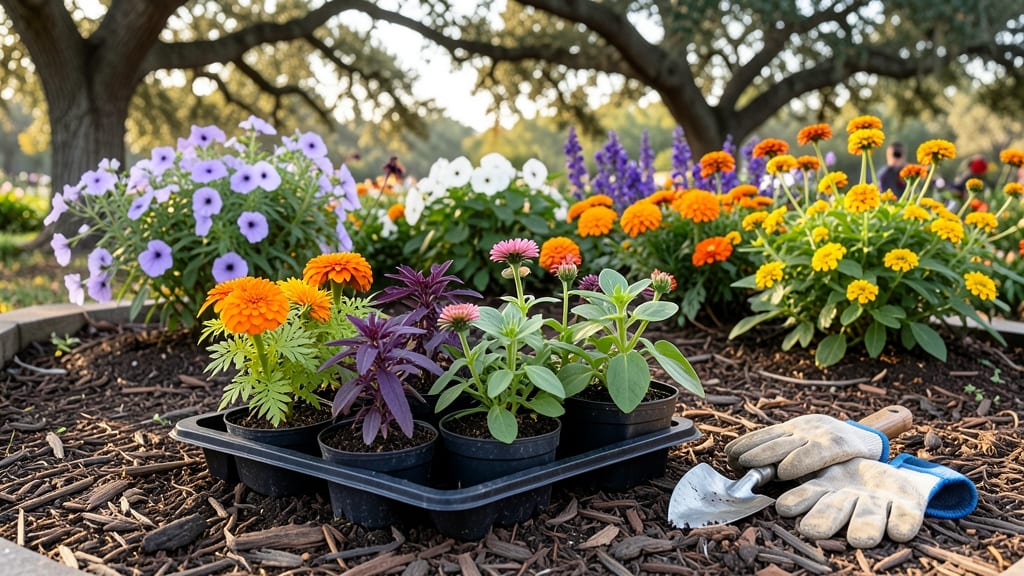
Planting flowers in Florida at the right time means the difference between lush blooms all year and wilting disappointment.
Florida’s warm climate means flowers can bloom year-round—but timing matters. Plant too early, and frost or pests ruin your progress; too late, and summer heat stunts growth. Here’s the exact schedule for planting flowers in Florida’s 11 zones to guarantee vibrant blooms all season.
Whether you’re in North Florida’s cooler Zone 8 or South Florida’s tropical Zone 11, the best time to plant varies wildly. Spring bulbs like cannas need warm soil, while fall mums thrive in cooler weather. Miss the window, and you’ll battle heat stress or hurricane season disruptions.
Below, I break down the optimal months for annuals, perennials, and seasonal bloomers—plus pro tips to keep your garden thriving through Florida’s extremes.
Florida flower planting calendar by Zone: best months for annuals & perennials
Florida’s unique climate—with its mild winters and long growing seasons—lets you plant flowers almost year-round. But timing still matters to avoid frost damage in the north or heat stress in the south.
The state’s 11 USDA zones (8A-10A) create distinct planting windows, especially for frost-sensitive annuals like impatiens and cool-season favorites like pansies.
North Florida (Zones 8A-8B) faces occasional frost, while Central (Zones 9A-9B) and South Florida (Zones 10A-10B) enjoy frost-free winters. Transplanting vs. direct sowing also varies—some flowers thrive when started indoors, while others prefer direct outdoor planting once soil warms.
Let’s break down the exact months for your zone to maximize blooms.
Pro Tip: Always check your last frost date (typically mid-March for North Florida, none for South Florida) and soil temperature (aim for 60°F+ for warm-season flowers). Use mulch to protect roots in cooler months.
| Zone/Region | Cool-Season Flowers (Transplant) | Warm-Season Flowers (Transplant) | Direct Sowing Window | Key Notes |
|---|---|---|---|---|
| North Florida (Zones 8A-8B) | September–October (for spring blooms) or February–March (after last frost) | April–May (after soil warms to 65°F+) | March–April (after frost risk passes) | Frost risk until mid-March; use row covers for early plants. |
| Central Florida (Zones 9A-9B) | September–October or February–March | March–April (earlier than North) | February–May (year-round for heat-tolerant types) | No frost—plant impatiens and begonias anytime. |
| South Florida (Zones 10A-10B) | September–November (avoid summer heat) | Year-round (best in spring/fall) | Year-round (shade crops in peak summer) | Hurricane season (June–Nov): protect plants with stakes. |
| All Zones | Pansies, Snapdragons, Sweet Alyssum | Petunias, Impatiens, Lantana, Azaleas | Marigolds, Sunflowers, Zinnias | Mulch after planting to retain moisture and regulate soil temp. |
For North Florida gardeners, focus on cool-season flowers like pansies and calendulas in September–October for spring blooms. These thrive in 50–65°F soil and can handle light frosts. Warm-season favorites like impatiens and petunias should wait until April–May, when nighttime temps stay above 55°F.
In Central Florida, you can plant warm-season annuals as early as March, but avoid peak summer heat (June–August) for frost-sensitive varieties. Direct sowing works year-round for heat-lovers like lantana and portulaca, but shade crops (e.g., impatiens) perform best in spring or fall.
South Florida’s frost-free climate lets you plant almost anytime, but hurricane season (June–November) demands caution. Transplant tropicals like hibiscus or plumeria in spring or fall to avoid storm damage. Direct sow sunflowers or marigolds in winter for spring blooms before summer’s intensity.
One common mistake is planting frost-tender flowers (like begonias) too early in North Florida. Always check soil temperature—use a soil thermometer to confirm 60°F+ for warm-season plants. Perennials like azaleas or camellias should be planted in fall (September–November) to establish roots before winter.
Use container gardening to extend your planting windows. Pots warm up faster in spring and can be moved to shade during summer’s peak. For direct-sown flowers, like zinnias or cosmos, scatter seeds in well-draining soil after the last frost (or in fall for winter blooms in South Florida).
Remember: Florida’s humidity means daily watering for new transplants until roots establish (about 2–3 weeks). Mulch with 2–3 inches of pine straw or shredded bark to lock in moisture and deter weeds. Fertilize lightly
Top 5 flowers to plant in Florida by season (with growing tips)
Florida’s year-round growing season means you can enjoy colorful blooms in every season—but knowing when to plant flowers makes all the difference. I’ve selected five top-performing flowers that thrive in Florida’s heat, humidity, and occasional frost.
Each variety has unique timing and care needs to ensure vibrant blooms from spring through winter.
For spring blooms, focus on heat-loving bulbs and tender perennials that establish roots before summer’s intensity. In summer’s scorching heat, drought-tolerant annuals take center stage, while fall and winter bring cooler weather for frost-sensitive favorites.
Let’s dive into the best options for each season and how to prep your soil for success.
🌱 When to Plant Flowers in Florida by Season
-
🌷 Spring (Feb–April)
Plant cannas and dahlias after last frost (typically mid-March in North Florida). Amend soil with compost for rich nutrients.
-
☀️ Summer (May–July)
Sow lantana and pentas in late spring for heat-tolerant blooms. Mulch to retain moisture and protect roots.
-
🍂 Fall (Aug–Oct)
Plant mums and snapdragons in September for fall color. Avoid overwatering as humidity rises.
-
❄️ Winter (Nov–Jan)
Choose pansies and calendulas for cool-season blooms. Protect from light frosts with row covers.
-
💡 Pro Tip
Test soil pH (6.0–7.0) before planting. Florida’s sandy soils often need organic matter for water retention.
For spring planting, I recommend starting with cannas and dahlias, which thrive in Florida’s warm soil. These tropical-looking blooms need well-draining soil and full sun to prevent rot. Work in compost or aged manure to give them a nutrient boost before summer’s heat sets in.
In summer’s brutal heat, prioritize drought-tolerant flowers like lantana and pentas. These heat-loving annuals demand minimal watering once established but still need morning sunlight to avoid wilting. Mulch heavily to lock in moisture and keep roots cool.
As temperatures drop in fall and winter, switch to cool-season favorites like snapdragons and pansies. These frost-tolerant blooms handle Florida’s mild winters but may need light protection during rare freezes. Plant them in partial shade to extend their season.
Regardless of the season, consistent watering is key—especially in Florida’s humidity. Water deeply in the morning to reduce fungal risks, and always check soil moisture before watering again. With the right timing and care, your Florida garden can burst with color year-round!