
Flowers
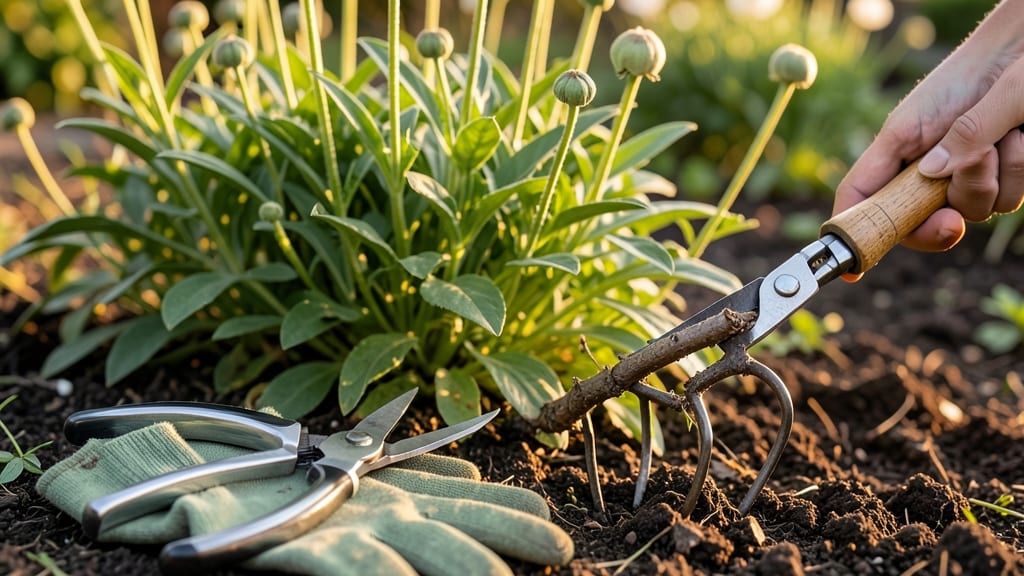
Cutting back balloon flowers 🌸 at the right time is the secret to bigger blooms next season—and doing it wrong can leave you with weak stems or no flowers at all.
Picture this: You’ve spent months admiring those vibrant blue-purple blooms, only to wonder if you should trim them now or wait. The truth? Timing depends on your USDA zone, and getting it wrong can mean missing the perfect window for regrowth.
In colder zones like 6a, late winter or early spring (just before new growth appears) is ideal. Warmer climates can trim as late as early fall, but the key is avoiding frost or dormancy.
Below, I’ll break down the exact months for your zone and how to prune for maximum blooms—no guesswork needed.
You’ll learn when to deadhead spent blooms, how much to cut back, and why some gardeners swear by a second prune in summer. Ready to turn last year’s balloon flowers into next year’s showstopper?
Best months to cut back balloon flowers by USDA zone
Timing is everything when pruning balloon flowers (Platycodon grandiflorus). Cutting back at the wrong time can reduce next year’s blooms or even harm the plant. The best approach depends on your USDA zone, frost dates, and whether you prefer late-fall or early-spring pruning.
In colder zones (3-5), you’ll want to wait until spring to avoid frost damage, while warmer zones (7-9) can handle late-fall cuts. Let’s break it down by zone for perfect timing.
Your local climate dictates the ideal window. For example, gardeners in Zone 6a (like my own garden) should aim for late March to early April, while those in Zone 8b can prune as late as November.
The key is to cut back after the plant has entered dormancy but before new growth begins. This ensures you’re not pruning away next year’s flower buds hidden beneath the soil.
Here’s the zone-by-zone pruning schedule you need to follow for healthy regrowth and stunning blooms:
For gardeners in Zones 3-5, early spring is the safest bet. I’ve found that waiting until late March—when soil temperatures consistently reach 45°F (7°C)—gives the plant enough time to recover before summer heat arrives.
In my Zone 6a garden, I mark my calendar for April 1st as the cutoff, ensuring I don’t prune after new shoots appear, which signals the plant is waking up.
If you’re in Zones 6-7, you have flexibility. Many gardeners opt for late-fall pruning (November) to tidy up before winter, but I prefer early spring. The risk of frost damage to fresh cuts is higher in fall, and I’ve seen balloon flowers struggle to regrow if pruned too early.
Always check your local frost dates—a quick online search for “last frost date [your city]” will save you guesswork.
Warmer climates (Zones 8-9) offer the most latitude. Here, November pruning works beautifully because the plant is already dormant. I’ve pruned my Zone 8b balloon flowers in early December without issue, but I stop if temperatures dip below 40°F (4°C).
The key is to cut back when foliage turns brown and crispy, not while it’s still green.
One common mistake I see is pruning too aggressively. Balloon flowers store energy in their roots and basal crown, so cutting back to the ground can weaken the plant. Instead, leave 2-3 inches of stem above the soil.
This stub helps protect the crown from temperature fluctuations and encourages stronger regrowth. For overgrown plants, I recommend thinning stems in early spring rather than a hard cut.
After pruning, focus on soil health. Amend your garden bed with compost or well-rotted manure to replenish nutrients lost during dormancy. I also apply a balanced fertilizer (5-10-10) in early spring to support new growth.
Water deeply but avoid soggy soil—balloon flowers hate root rot. A 1-inch layer of mulch helps retain moisture and insulate roots in colder zones.
Remember, the goal is to encourage next year’s blooms, not just tidy up. By following your USDA zone’s schedule and watching for dormancy cues, you’ll set your balloon flowers up for a showstopping summer display. Happy pruning! 🌸
Signs your balloon flowers need pruning (and when to avoid it)
Balloon flowers (Platycodon grandiflorus) send clear signals when they’re ready for pruning—but many gardeners miss them. One of the first visual cues is browned or crispy foliage by late fall.
This indicates the plant is entering dormancy and needs cleanup. Another telltale sign is seed pods forming after blooming, which means energy is being diverted from next year’s growth to seed production.
Spring growth is another critical pruning indicator. When you spot new shoots emerging from the base in early spring, it’s time to trim back last year’s stems. These fresh sprouts signal the plant is waking up and ready for a fresh start.
However, if your plants still look frost-tender or have soft, green stems, wait until after the last frost date.
⚠️ callout warning ⚠️
Never prune before the first frost in your zone—this can shock the plant. Wait until late winter or early spring (after hard frosts have passed) when new growth appears. Avoid cutting back after seed pods form, as this signals the plant’s energy is focused on reproduction, not regrowth.
✂️ Best Time: Late winter/early spring (USDA Zones 3-9: February-March)
🚫 Avoid: Fall pruning (unless removing dead stems) or cutting green stems in frost-prone areas.
One common mistake is over-pruning too early in spring. If you cut back all stems before the plant has established new growth, you risk removing next year’s flower buds.
Instead, leave 2-3 inches of stem above the soil to protect the crown. Another red flag is yellowing leaves in spring—this could signal root rot from overwatering, not dormancy.
Pay attention to your local climate. In warmer zones (7-9), balloon flowers may stay green year-round, so prune only when you see seed pods or browned leaves.
In colder zones (3-6), wait until after the last frost (typically March-April) before cutting back. This timing ensures the plant isn’t stressed by late-season cold snaps.
Deadheading spent blooms during the growing season is a different task than winter pruning. While deadheading encourages more flowers, winter pruning focuses on removing old growth to make room for new shoots.
Skip deadheading if your goal is seed collection—letting flowers go to seed naturally supports pollinators and can extend the plant’s life cycle.
If your balloon flowers look healthy but leggy, they may benefit from a light pruning in early summer to encourage bushier growth. However, avoid heavy pruning at this time, as it can delay fall hardening and reduce winter hardiness.
Always use clean, sharp pruners to prevent disease spread, and dispose of diseased stems immediately.