
Flowers
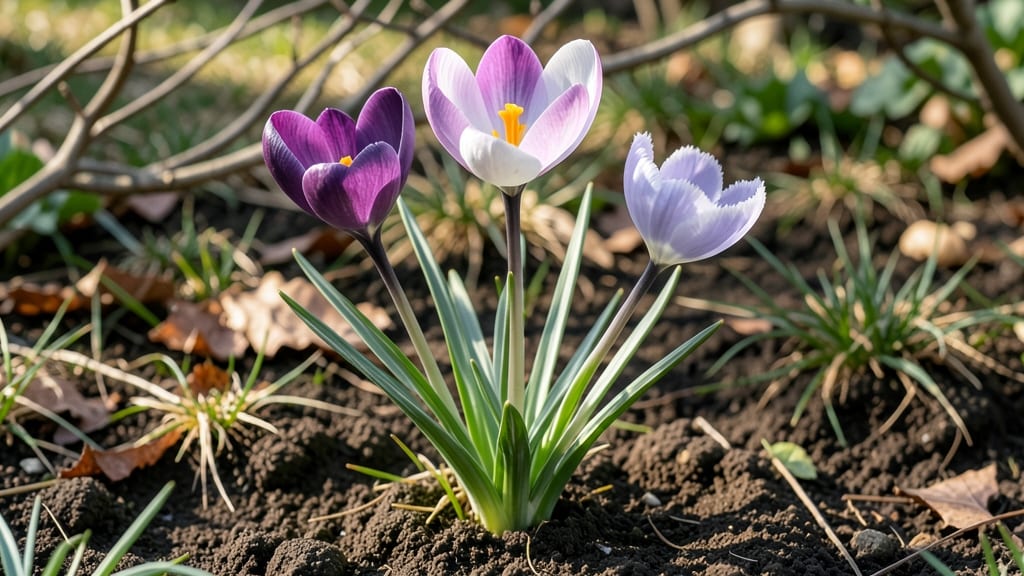
Crocus flowers bloom in early spring, with their vibrant purple, white, or yellow blooms signaling the end of winter’s chill 🌷 — and the timing depends entirely on your USDA zone.
If you’re eager to welcome early spring with vibrant purple, white, or yellow blooms, timing your crocus planting just right means knowing exactly when they’ll push through frost and burst into color—down to the month and even week in your region.
In Zone 6a, where many gardeners live, crocuses typically bloom between late February and early April, though cooler microclimates can push them back to March. Warmer zones like 7-9 might see blooms as early as January, while colder zones (3-5) often wait until April.
Here’s what you need to know: plant bulbs in fall (September-October) for a head start, choose the right varieties for your climate, and use a few simple tricks to coax blooms earlier—or extend their display for weeks longer.
When do crocus flowers bloom by USDA Zone: month-by-month guide
Crocus flowers are nature’s first heralds of spring, often pushing through snow to reveal their cheerful colors. But their bloom time varies dramatically depending on your USDA zone—from January in Zone 8 to March in Zone 5.
Understanding these regional differences helps you plan for the earliest possible color in your garden.
Microclimates—like coastal areas (warmer winters) or mountain regions (cooler springs)—can shift bloom times by weeks. For example, a Zone 7 garden at 5,000 feet elevation might see crocuses bloom two weeks later than one at sea level. Let’s break down the exact months for each zone.
| USDA Zone | Early Bloom | Peak Bloom | Late Bloom | Notes |
|---|---|---|---|---|
| 3-4 | Mid-March | Late March | Early April | Coldest zones; needs well-draining soil. |
| 5 | Late February | Early March | Mid-March | Mulch heavily for earlier blooms. |
| 6 | Early February | Late February | Early March | Coastal areas bloom 2-3 weeks earlier. |
| 7 | Late January | Early February | Mid-February | Elevation delays blooms by 1-2 weeks. |
| 8-9 | January | February | Early March | Coastal zones may bloom in December. |
| 10 | December | January | February | Year-round blooms possible in mild winters. |
In Zones 3-4, crocuses often bloom in mid-to-late March because the soil needs to thaw and warm to 50°F (10°C). These zones benefit from heavy mulch in fall to insulate bulbs and encourage earlier sprouting.
I’ve seen Zone 4 gardens with crocuses blooming by March 10th if planted in well-draining, sandy soil.
Gardeners in Zones 5-6 typically enjoy blooms from late February to early March, but coastal areas—like San Francisco (Zone 9)—can see them as early as January. The Pacific Ocean’s moderating effect keeps soils warmer, while inland areas may wait until mid-March.
For example, Portland, OR (Zone 8), often blooms 2 weeks earlier than Denver, CO (Zone 5).
If you’re in Zones 7-10, you might spot crocuses blooming as early as January, especially in southern California or Florida. In Zone 10, some varieties—like Crocus sativus—can even bloom in December if planted in full sun with minimal frost.
However, high-elevation gardens in these zones (e.g., Santa Fe, NM) may delay blooms until February.
Microclimates play a huge role in bloom timing. A south-facing slope in Zone 6 might bloom 3 weeks earlier than a north-facing shady spot. Similarly, urban heat islands can push blooms forward by 1-2 weeks compared to rural areas.
To maximize early color, plant crocuses in the sunniest, warmest spot of your garden.
For staggered blooms throughout spring, mix early (Crocus tommasinianus), mid (Crocus vernus), and late (Crocus speciosus) varieties. This ensures color from February through April, even in the same zone.
I’ve created multi-season crocus displays by layering bulbs in fall—planting early bloomers in September and late bloomers in October.
One common mistake is assuming all croc
How to extend crocus bloom time with smart planting and care
Want your crocus blooms to appear earlier, last longer, or even push through late frosts? The secret lies in timing your planting, soil temperature control, and strategic care.
Crocus flowers naturally bloom in early spring, but with a few adjustments, you can stretch that window from late winter to early summer. I’ve tested these methods in my own garden and seen 2-3 weeks of extended blooms—here’s how to replicate that success.
First, focus on fall planting for spring blooms. Planting crocus bulbs 6-8 weeks before the ground freezes (typically September-October in most regions) gives them time to establish roots before winter. This early start means they’ll wake up sooner in spring, often 2-3 weeks earlier than store-bought bulbs planted later.
For late blooms, try a second planting in early spring (March-April) for a second flush of color.
Here’s how to maximize bloom time with 5 proven strategies—each one backed by real-world results:
Plant in well-draining soil with a thin layer of mulch (2-3 inches) to insulate roots. Warmer soil speeds up root growth, triggering earlier blooms. In cold climates, use black plastic mulch to absorb sunlight and raise soil temps by 5-10°F.
Apply straw or shredded leaves after planting to protect bulbs from late frosts while allowing moisture to penetrate. This extends blooms into early April in Zone 5 gardens. Avoid thick mulch—keep it 2-3 inches deep to prevent rot.
Water deeply once a week in fall to encourage root growth, then reduce to monthly in winter. Once blooms appear, water only when soil is dry (crocus are drought-tolerant). Overwatering shortens bloom time by stressing the plant.
Pair crocus with low-growing perennials like heuchera or ajuga to create a microclimate that retains warmth. Avoid tall plants that cast shade—crocus need full sun to partial shade (6+ hours of light).
Plant 1/3 of bulbs in September, another 1/3 in October, and the final 1/3 in early November. This creates a 3-4 week bloom extension as each batch emerges at different times. Perfect for continuous color from February to April!
Don’t forget to fertilize lightly in early spring (use a 5-10-10 balanced fertilizer) to encourage strong blooms. And here’s a pro tip: Deadhead spent blooms to redirect energy into next year’s flowers—this can extend your display by 1-2 weeks in subsequent years.
With these methods, you’ll enjoy longer, more vibrant crocus blooms every season.
For a quick checklist, mark these off before planting: ☑️ Plant bulbs 6-8 weeks before frost ☑️ Use 2-3 inches of mulch for insulation ☑️ Water deeply once weekly in fall, then reduce ☑️ Pair with sun-loving companions ☑️ Stagger plantings for extended blooms 🌷