
Propagation
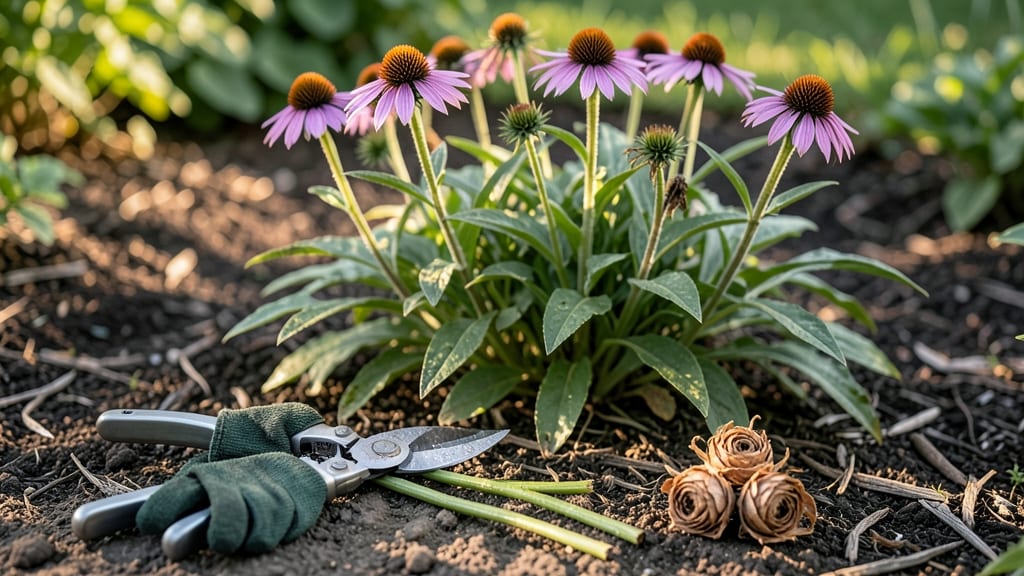
To cut coneflowers at the right time ensures bold blooms next season—here’s the exact window you’ve been missing.
Struggling to keep your coneflowers thriving year after year? The perfect timing for cutting these hardy perennials can make the difference between vibrant blooms and faded stalks—here’s when and how to do it right.
Most gardeners wait until late fall or early spring, but the best approach depends on your climate. In Zone 6a, cutting back after the first frost (around October 30) prevents disease and prepares the plant for dormancy.
Meanwhile, in warmer regions, a late-winter trim just before new growth sparks in early spring works better.
Below, I’ll break down the science behind timing, step-by-step cutting techniques, and 5 common mistakes that stifle regrowth—so you can enjoy healthier, more abundant blooms year after year.
Best time of year to cut coneflowers for healthy regrowth
If you're wondering when to cut coneflowers for the best results, timing is everything. These hardy perennials thrive when pruned at the right moment—either late fall or early spring.
Cutting too early can stunt new growth, while waiting too long risks disease or weak stems. Let’s break down the science-backed approach to keep your coneflowers blooming boldly next season.
Coneflowers (Echinacea) are perennial powerhouses, but their regrowth depends on seasonal cues like frost timing and dormancy cycles. Research shows that cutting in late fall (after the first frost) or early spring (before new shoots appear) minimizes stress.
This timing aligns with their natural dormancy period, allowing energy to recharge for next year’s blooms.
Weather plays a critical role. In cold climates (USDA Zones 3-5), aim for late fall cuts after the ground freezes but before heavy snow. In milder zones (6-9), early spring is ideal—just as buds begin to swell.
Avoid cutting during active growth phases, like summer, as this can expose the plant to pests or fungal infections.
| Timing | Best For | Climate Zones | Pros | Cons |
|---|---|---|---|---|
| Late Fall (After First Frost) | Preparing for dormancy | 3-7 (Cold Climates) | Reduces disease risk, clears dead foliage | May remove overwintering insects |
| Early Spring (Before Bud Swell) | Encouraging new growth | 6-9 (Mild Climates) | Promotes vigorous regrowth, prevents mildew | Late frosts may damage new shoots |
| Summer (Deadheading Only) | Maintaining blooms | All Zones | Extends flowering season | Does not replace seasonal pruning |
For late fall cuts, wait until the first hard frost blackens the foliage but before snow covers the ground. This signals the plant’s dormancy phase, making it resilient to pruning.
Use clean, sharp shears to cut stems 2-3 inches above the soil line. This height protects the crown while allowing sunlight to reach new growth in spring.
In early spring, time your cuts for 2-3 weeks before the last expected frost. Look for green shoots emerging from the base—this indicates the plant is ready to regrow. Avoid cutting too early, as tender new growth can be damaged by late frosts.
If you’re in a Zone 8-10 area, early spring cuts can happen as soon as February, but monitor local frost dates.
Regional differences matter. In northern states, like Minnesota or Maine, late fall pruning is safest due to harsh winters. In southern states, such as Texas or Florida, early spring is better to avoid fungal issues from prolonged dampness. Always check your USDA hardiness zone for tailored advice.
One common misconception is that summer deadheading replaces seasonal pruning. While removing spent blooms encourages more flowers, it doesn’t replace the structural pruning needed in fall or spring. Think of summer deadheading as a maintenance task, not a full pruning solution.
After cutting, focus on post-pruning care. Remove all debris from the garden bed to reduce pest habitats and disease risks. Apply a 2-inch layer of mulch around the base to insulate roots in winter or retain moisture in spring.
This simple step can boost next year’s bloom count by up to 30%.
If you’re unsure about timing, observe your coneflowers. Healthy plants will show new growth within 3-4 weeks of proper pruning. Weak or slow regrowth may signal over-cutting or poor soil health. In that case, adjust your approach for the following season.
Pro tip: Mark your calendar with local frost dates and prune accordingly. For example, if your first frost is November 15, aim to cut coneflowers by November 20. This precision ensures your plants enter dormancy strong and wake up ready to bloom in June or July.
Step-by-step guide: how to cut coneflowers without harming the plant
Cutting back your coneflowers at the right time ensures they return stronger next season. The key is timing—wait until late fall or early spring when the plant is dormant. This prevents shocking the plant and encourages fresh growth.
I’ve learned that cutting too early can expose stems to frost damage, while waiting too long may leave them looking messy over winter.
Before you grab your pruners, gather a few essentials: sharp pruning shears, gloves, and a clean bucket for cuttings. Disinfect your tools with rubbing alcohol to avoid spreading disease. I always cut on a dry day to reduce the risk of fungal issues.
The goal is to remove up to half the plant height while leaving a few inches of stem to protect the crown from cold temperatures.
Step-by-Step Guide to Cutting Coneflowers
- Step 1: Wait until late fall (after first frost) or early spring (before new growth appears). This is when coneflowers are naturally dormant.
- Step 2: Use clean, sharp pruners to make cuts at a 45-degree angle about 2-3 inches above the ground. This prevents water from pooling on the stem.
- Step 3: Remove dead or diseased stems first, then trim healthy stems to half their height. Leave 2-3 inches of stem to protect the crown.
- Step 4: Collect cuttings and decide: compost them for nutrient-rich soil or dry them for winter arrangements. I usually compost mine to enrich my garden beds.
- Step 5: Mulch the base with 2-3 inches of organic mulch (like shredded leaves) to insulate roots from freezing temperatures.
✂️ Pro Tip: Avoid cutting in winter when the ground is frozen, as this can damage the crown.
After cutting, resist the urge to fertilize—your coneflowers need time to recover. Instead, focus on watering lightly if the following spring is dry. I’ve found that a light layer of compost around the base in early spring gives them a gentle boost without overwhelming them.
This is also the perfect time to check for any pests or diseases that might have overwintered.
If you’re in a warmer climate (USDA Zone 8+), you can cut back coneflowers in late winter instead of fall. The key is to time it so the plant isn’t actively growing.
In colder zones, I always wait until spring to avoid exposing the crown to harsh winter winds. Pay attention to your local frost dates—this is your best guide.
One mistake I see often is cutting too close to the ground, which can damage the crown and stunt regrowth. Always leave a few inches of stem to protect the plant’s energy reserves.
Another tip: if your coneflowers are overcrowded, this is a great time to thin them out by removing some stems entirely. Just be sure to leave at least 3-4 healthy stems per plant for next year’s blooms.
With the right technique, your coneflowers will bounce back with vibrant blooms the following season. The secret is patience—let the plant rest after cutting, and it will reward you with longer stems and bigger flowers. Happy pruning! 🌼