
Flowers
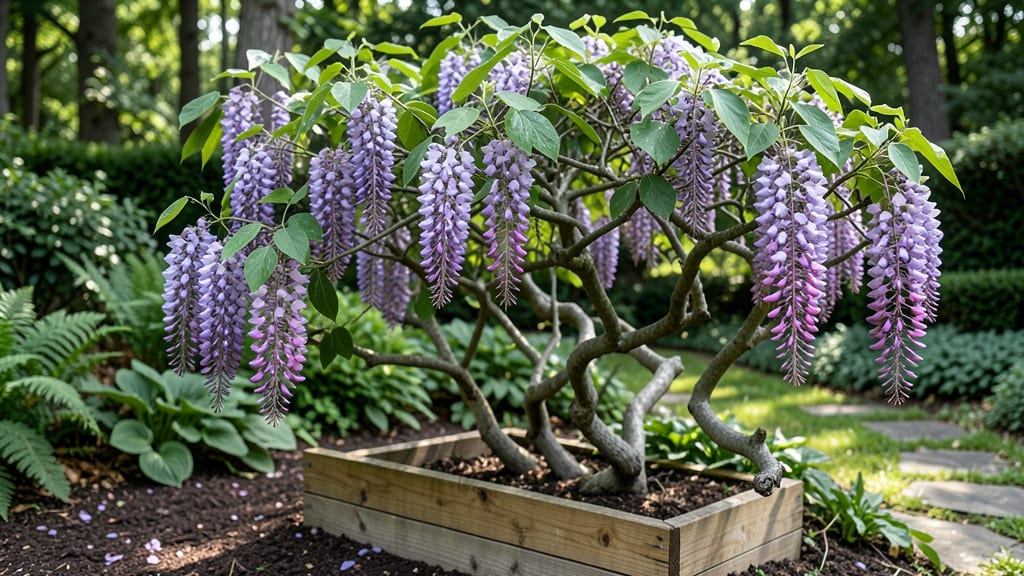
Wisteria flowers bloom in late spring, typically between May and June in most climates, but the exact timing depends on your hardiness zone and variety.
If you’ve ever admired wisteria’s stunning cascades of purple, white, or blue blossoms, you know timing is everything—planting too early or late means missing the show. But when exactly does wisteria flower, and how does your climate zone affect its bloom schedule?
For USDA Zone 6a, where many gardeners live, wisteria usually bursts into color in May, with some varieties lingering into early June. However, Southern gardeners in Zones 7–9 often see blooms as early as April, while Northern growers in Zone 5 may wait until late June.
Below, I’ll break down the month-by-month bloom periods for popular wisteria types, plus the key factors—like chill hours, pruning, and plant age—that can shift your wisteria’s schedule by weeks. Ready to plan your best bloom year yet?
Wisteria flowering timeline by USDA hardiness Zones
Wisteria’s breathtaking spring blooms are one of gardening’s most anticipated shows—but timing varies wildly depending on your USDA hardiness zone and wisteria variety.
In cooler Zone 5, expect delicate purple blossoms as early as late April, while Zone 9 gardeners may see their vines burst into color by February. Understanding these patterns helps you plan pruning and admire blooms at their peak.
Three main species dominate North American gardens: Wisteria sinensis (Chinese wisteria), Wisteria floribunda (Japanese wisteria), and Wisteria frutescens (American wisteria). Each has unique bloom schedules, with W. floribunda often flowering 2–4 weeks earlier than its counterparts.
Climate factors like chill hours and winter temperatures further shift these timelines—so let’s break it down by zone.
In Zone 5, where winters are harsh, wisteria often waits until late April to bloom, giving you a 3–4 week window of fragrant purple cascades.
Meanwhile, Zone 9 gardeners in Southern California or Florida may see Wisteria floribunda burst into color as early as November, thanks to milder winters. This early bloom can extend into January if temperatures stay mild.
One common misconception is that wisteria blooms only once per year—but in <
How to predict your wisteria’s first bloom year and seasonal patterns
Wisteria is famously patient—some vines take 3 years to flower, while others wait 14 years or longer before their first showstopping display.
The wait isn’t just about age, though. Chill hours (cold winter exposure), pruning timing, and even your local microclimate play starring roles in when your wisteria finally bursts into bloom. Understanding these factors lets you set realistic expectations and troubleshoot delays before they become permanent problems.
Most wisteria varieties need 600–1,000 chill hours (temperatures between 32–45°F) to trigger flowering. If you’re in a mild-winter zone (like Southern California or Florida), your wisteria might never bloom without artificial chill treatments or strategic pruning.
Meanwhile, in colder climates (USDA Zones 5–7), wisteria often flowers reliably by year 5–7, provided they’ve established strong roots and received proper care.
- 🌱 Age Matters: Most wisteria flower between 3–14 years, with Wisteria floribunda often blooming earliest (years 3–5) and Wisteria sinensis taking longer (years 7–10+).
- ❄️ Chill Hours Rule: Needs 600–1,000 hours below 45°F annually. Southern gardens may need artificial chilling (e.g., refrigeration for cuttings) to trigger blooms.
- ✂️ Pruning Timing: Prune after flowering (late summer) to encourage next year’s blooms. Over-pruning in winter can delay flowering by 2+ years.
- ☀️ Sunlight Impact: Full sun (6+ hours/day) speeds up flowering. Shady spots can push bloom time back by 3–5 years.
- 🚨 Stress Signs: No buds by year 7? Check for root-bound pots, poor drainage, or nutrient deficiencies (yellow leaves = nitrogen deficiency).
Seasonal patterns also shift based on your USDA zone. In Zones 5–7, wisteria typically blooms in late April–May, while Zones 8–9 see flowers as early as March (or not at all if chill hours are insufficient).
Pay attention to bud swell in late winter—this is your first clue that blooms are on the way. If buds form but drop off, your plant may need more phosphorus-rich fertilizer (like 10-20-10) to support flower development.
Pruning is where many gardeners go wrong. Heavy winter pruning (cutting back more than 1/3 of the vine) can shock the plant and delay flowering. Instead, prune lightly in late winter (just enough to shape the vine) and heavily after blooms fade to redirect energy to next year’s flowers.
Avoid summer pruning, as it removes potential bloom buds for the following season.
If your wisteria is past 7 years old but still hasn’t flowered, don’t give up. Try these fixes: Transplant it to a sunnier spot, amend the soil with compost, or apply a bloom booster like fish emulsion in early spring.
Some wisteria varieties (like ‘Amethyst Falls’) are more forgiving in warm climates, so consider swapping out your current vine for a more adaptable cultivar.
Patience is key—wisteria rewards long-term care with decades of dramatic blooms. Track your vine’s progress by marking bud formation dates each year and adjusting care based on what works (or doesn’t). With the right conditions, your wisteria will eventually deliver those romantic, fragrant cascades you’ve been dreaming of. 🌸