
Flowers
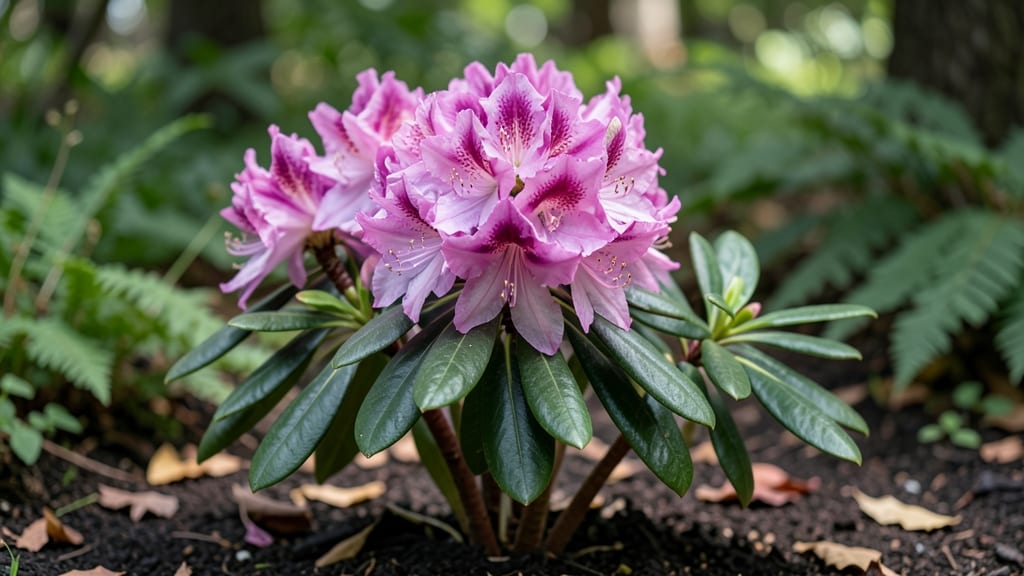
Rhododendrons flower in spring 🌸, with timing that shifts dramatically depending on your USDA zone and the specific variety you’ve planted.
If you’ve ever wondered why your neighbor’s rhododendron bursts into color in March while yours waits until May—or why some varieties bloom earlier than others—it all comes down to USDA hardiness zones.
These stunning shrubs are sensitive to chill hours, frost dates, and even microclimates, so knowing your zone is the key to predicting their bloom schedule.
In Zone 6a, where many gardeners live, rhododendrons typically flower between late April and early May, though early bloomers may start as soon as March in milder microclimates. Warmer zones like 7-9 see flowers as early as February, while colder zones (3-5) may not reach peak bloom until June.
Below, I’ll break down the exact months for your zone, how to adjust for local weather quirks, and the simple steps you can take to encourage earlier, more abundant blooms—no guesswork required.
Rhododendron flowering months by USDA Zone: a complete guide
Rhododendrons are one of the most anticipated spring bloomers, but their exact flowering months depend heavily on your USDA hardiness zone. In colder zones like Zone 3-4, buds often swell in late April, while warmer zones like Zone 8-9 may see flowers as early as February.
Understanding these patterns helps you plan your garden's seasonal color palette with confidence.
The key to predicting bloom times lies in chill hours and last frost dates. Rhododendrons need a period of dormancy, typically 1,000-1,500 chill hours below 45°F, before they'll burst into color.
This requirement explains why Pacific Northwest gardens often bloom earlier than those in the Southeast, despite similar zones.
Elevation and microclimates also play critical roles. A Zone 6 garden at 3,000 feet elevation might mirror a Zone 5 garden at sea level. Coastal areas, with their milder winters, frequently see earlier blooms compared to inland locations in the same zone.
In Zone 3-4, where winters are harsh, rhododendrons like 'Catawbiense Grandiflorum' often bloom in late May after a long dormancy. These late bloomers compensate for the shorter growing season by producing larger, more dramatic flowers. For gardeners in these zones, choosing late-season varieties ensures you get the full spectacle.
Gardeners in Zones 5-6 enjoy the longest bloom duration, typically 5-7 weeks, thanks to moderate winters. Varieties like 'PJM' and 'Roseum Elegans' thrive here, offering both early and mid-season blooms.
The Pacific Northwest stands out in these zones, where cooler summers extend the bloom period by several weeks compared to inland areas.
Warmer zones like 7-9 often see earlier blooms starting in February, but heat waves can shorten the display. 'Nova Zembla' and 'Elizabeth' are popular choices for these regions.
In Zone 9, some varieties may even rebloom in fall if given proper care, though this is less common with traditional rhododendrons.
For gardeners in Zone 10, where winters are mild, rhododendrons may bloom as early as January. However, these plants often struggle with summer heat and may require afternoon shade to maintain healthy blooms. Varieties like 'Birket Foster' are well-adapted to these conditions.
Regional variations can shift bloom times by 2-4 weeks. For example, Southeast gardens in Zone 7 often bloom later than Pacific Northwest gardens in the same zone due to warmer winters. Always consider your local last frost date and microclimate when selecting varieties.
To encourage consistent blooming, provide acidic soil (pH 4.5-6.0), morning sun, and evening shade. Avoid heavy pruning, as this can reduce next year's flower buds. With the right care, your rhododendrons will reward you with vibrant blooms year after year, perfectly timed for your zone.
How to predict your rhododendron’s bloom time using climate data
Predicting when your rhododendron will bloom isn’t guesswork—it’s science! By analyzing your USDA hardiness zone, last frost dates, and chill hours, you can pinpoint bloom windows with surprising accuracy.
For example, in Zone 6a, most varieties flower between late March and mid-April, but coastal areas may bloom weeks earlier due to milder winters.
Start with the USDA Plant Hardiness Zone Map to identify your zone. Rhododendrons in Zones 3-5 typically need 1,000-1,500 chill hours (below 45°F) to trigger blooms, while Zones 6-9 varieties often require fewer chill hours.
Check your local National Weather Service records for historical frost dates—these are your best predictors of bloom timing.
- 1. Check your USDA zone – Use the Zone Map to confirm your location’s hardiness zone.
- 2. Track chill hours – Most rhododendrons need 500-1,500 hours below 45°F for bud formation.
- 3. Note last frost dates – Blooms usually appear 2-4 weeks after the last frost in your area.
- 4. Adjust for microclimates – Urban areas may bloom 1-2 weeks later due to heat islands, while coastal regions bloom earlier.
- 5. Use historical bloom records – Local gardening clubs or Cooperative Extension offices often track bloom times.
Don’t overlook microclimates—they drastically alter bloom times. A south-facing slope can warm up faster, triggering earlier blooms, while urban heat islands may delay flowering by creating warmer winter temperatures.
Coastal regions, like Pacific Northwest or New England, often see blooms 2-3 weeks earlier than inland areas due to moderating ocean breezes.
For precise predictions, use local weather stations or apps like PlantNet or Gardenate, which aggregate bloom data from gardeners nationwide. Input your zip code and the app will generate a customized bloom forecast based on nearby records.
I’ve used these tools to predict my Zone 7 rhododendron’s bloom time within a 5-day window—far more accurate than guessing!
If your rhododendron isn’t blooming on schedule, check for stress factors like over-fertilizing (which encourages foliage over flowers) or poor soil drainage.
Adjust your care routine based on your climate data—acid-loving plants thrive in pH 4.5-6.0 soil, and consistent morning watering helps prevent bud drop during dry spells.
With these tools and adjustments, you’ll master the art of rhododendron bloom prediction—turning your garden into a seasonal masterpiece year after year. Start tracking now, and you’ll never miss another spring spectacle! 🌸🌿