
Flowers
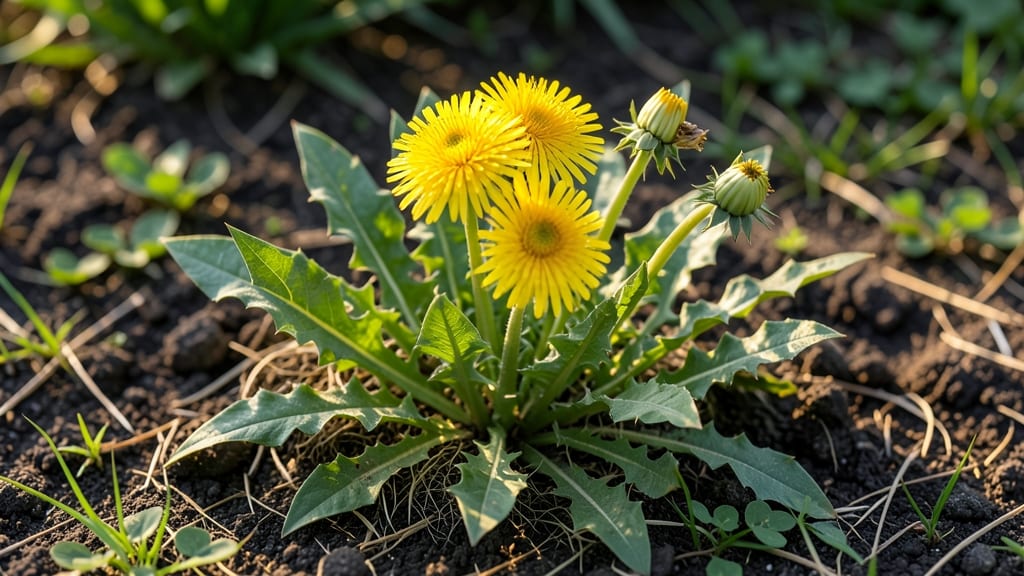
Dandelions flower in early spring, often appearing as soon as the ground thaws 🌼 — sometimes even before your lawn grass greens up.
If you’ve ever wondered why these bright yellow blooms seem to pop up overnight—only to vanish just as quickly—you’re not alone. Their flowering cycle is tightly linked to temperature shifts, which is why they often bloom weeks before many garden plants.
In USDA Zone 6a, where most of the U.S. falls, dandelions typically start flowering in March and continue through April, with occasional late blooms into May. Warmer zones see them even earlier, while colder regions may delay flowering until late spring.
Understanding their bloom timing helps you control them effectively or even enjoy their early pollinator benefits. Below, I’ll break down exactly when to expect those cheerful faces in your yard—and how to work with (or against) their natural cycle.
Dandelion flowering timeline by USDA Zone: when to expect blooms
Dandelions (Taraxacum officinale) are nature's early bloomers, often appearing when most garden plants are still dormant. Their flowering timeline varies dramatically by USDA zone, with warmer regions seeing blooms as early as February while colder zones wait until May.
This adaptability makes them both a nuisance and a fascinating study in plant resilience.
The key trigger for dandelion blooms is soil temperature, not air temperature. Once soil reaches 40°F (4°C), their shallow roots activate growth, sending up those familiar bright yellow flowers within 2-4 weeks.
This explains why you might spot dandelions in Zone 10 by January, while Zone 4 gardeners wait until late spring.
Here's how their bloom cycle breaks down across major USDA zones, including the critical months for flowering, seed production, and dormancy:
| USDA Zone | First Blooms | Peak Flowering | Seed Production | Dormancy Begins | Notes |
|---|---|---|---|---|---|
| Zones 3-4 | Late April - May | June - July | July - August | Late October | Coldest regions; blooms delayed until soil warms |
| Zones 5-6 | March - April | May - June | June - July | Mid-October | Moderate climate; two bloom cycles possible |
| Zones 7-8 | February - March | April - May | May - June | Late September | Early blooms; may rebloom after mowing |
| Zones 9-10 | January - February | March - April | April - May | December | Year-round growth possible; minimal dormancy |
Notice how dandelions in Zones 9-10 can bloom nearly year-round, while those in Zones 3-4 have a condensed 3-month flowering window. This variation explains why some gardeners see dandelions as annuals (in warm zones) while others treat them as perennials (in cold zones).
Their early blooming strategy gives dandelions a competitive edge. By flowering when few other plants are in bloom, they secure early access to pollinators like bees, which helps them spread their seeds before summer competition begins.
This is why you'll often see dandelions dominating lawns in late winter—they're capitalizing on a pollinator vacuum.
If you're trying to control dandelions, timing is everything. The most effective window for removal is late summer to early fall, when they're preparing for dormancy. Targeting them during seed production (June-August in most zones) prevents next year's crop.
However, pulling them in spring is still better than nothing—just expect new blooms within 2-3 weeks from their deep roots.
For gardeners who appreciate their beauty, dandelions offer early spring color when little else is blooming. Their flowers provide nectar for bees and their leaves are edible, making them a surprisingly useful "weed."
Consider leaving a few in a wildflower corner if you're open to their charm—just be prepared for their persistence!
Pro tip: Dandelion flowers close at night and on cloudy days, reopening when temperatures rise above 50°F (10°C). This daily rhythm makes them excellent indicators of warm weather—a natural garden thermometer! Use this to your advantage when planning other spring plantings.
🌼
Why dandelions flower early: the science behind their seasonal strategy
Dandelions have mastered the art of early blooming, often appearing weeks before many garden plants. Their shallow root systems allow them to thrive in cold soils, absorbing moisture and nutrients even when the ground is still frozen.
This gives them a competitive edge in the garden ecosystem, ensuring they're the first to attract pollinators like bees.
Nature rewards plants that capitalize on early opportunities, and dandelions do this perfectly. Their bright yellow blooms provide crucial nectar for bees emerging from winter dormancy. Without dandelions, these early pollinators might face food shortages, which could disrupt entire ecosystems.
Dandelions also outcompete other plants by establishing themselves before lawns or flower beds become crowded. Their rapid growth cycle means they can complete their life cycle—from seed to flower to seed production—in just one growing season, creating multiple generations annually.
🌱 Key Takeaway: Dandelion Bloom Strategy
Early Bloom Advantage
Dandelions flower 3-4 weeks before most garden plants, ensuring they're the first to attract early pollinators like bees.
Shallow Root System
Their roots grow only 6-12 inches deep, allowing rapid absorption in cold, moist soils before other plants emerge.
Pollinator Priority
Provides 80% of early-season nectar for bees, supporting ecosystem health before other flowers bloom.
If you're planning your garden, you can leverage this cycle by planting early-blooming companions like crocus or snowdrops to compete with dandelions for space. Alternatively, allow a few dandelions to bloom in a corner of your yard—they'll provide critical food sources for pollinators when little else is available.
Understanding this strategy also explains why dandelions seem to disappear after flowering. Once they've produced seeds, their life cycle completes quickly. Their fast reproduction rate means they can create thousands of seeds per plant, ensuring their dominance in early spring gardens.
For gardeners looking to minimize dandelions, timing is everything. Target them before flowering (late winter to early spring) when they're most vulnerable. Their early bloom cycle gives you a narrow window to act before they spread their seeds across your lawn.