
Blooming
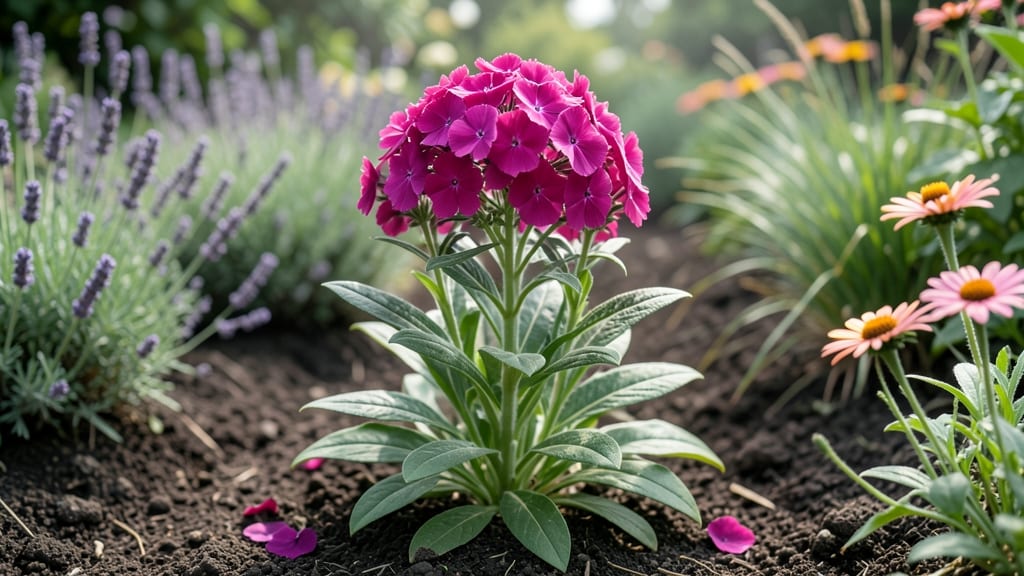
Phlox flowers bloom in late spring through summer 🌸, with timing that depends on the variety and where you live.
If you’ve ever planted phlox hoping for instant color, only to wait weeks for those clusters to open, you’re not alone. The key is knowing which type you’re growing—garden phlox (summer), creeping phlox (spring), or Drummond phlox (early spring)—and how your climate shifts those windows.
In USDA Zone 6a, most phlox start popping buds in May, with peak blooms stretching into July. But cooler springs or hot summers can push those dates earlier or later, which is why gardeners in the same neighborhood sometimes see flowers weeks apart.
Below, I’ll break down the exact blooming timelines for each variety, plus pro tips to coax extra weeks of color—like pruning, deadheading, and soil tricks that keep your phlox looking fresh all season.
Phlox flowering seasons by variety: garden phlox vs. creeping vs. Drummond phlox
If you've ever wondered why your garden phlox blooms in summer while your creeping phlox pops up in spring, you're not alone. These three phlox types have distinct flowering seasons shaped by their natural habits and growing conditions.
Understanding their bloom windows helps you create a year-round color plan with minimal effort. For example, Drummond phlox often flowers earlier than garden phlox, making it perfect for spring borders.
Climate plays a huge role in when phlox flower. In USDA Zone 5, garden phlox typically blooms from mid-June to August, while in Zone 8, it may start as early as May.
Meanwhile, creeping phlox thrives in cooler spring temperatures, often blooming from March to May. These variations mean your local weather can shift bloom times by weeks—sometimes even months!
Garden phlox is the summer superstar of the phlox family, with its clusters of fragrant blooms appearing from June through August. The key to encouraging repeat blooms lies in deadheading spent flowers—this simple task tricks the plant into producing more buds.
I've found that regular pruning after the first flush also promotes bushier growth and extends the season by 3-4 weeks.
Creeping phlox, on the other hand, is a spring ephemeral—its vibrant carpet of blooms appears early when many other perennials are just waking up. The challenge with creeping phlox is that it bolts after flowering, meaning its foliage turns unsightly by summer.
To hide this, I often pair it with late-summer bloomers like black-eyed Susans or Russian sage. This creates a seamless transition in my garden beds.
Drummond phlox bridges the gap between spring and summer, typically blooming from April through June. What makes this variety special is its drought tolerance—once established, it thrives with minimal watering.
I've noticed that Drummond phlox often reblooms lightly in fall if given enough moisture, adding unexpected color to late-season gardens. For best results, plant it in well-draining soil with morning sun exposure.
Regional differences can shift bloom times dramatically. In Pacific Northwest gardens, where springs are cool and wet, creeping phlox might bloom as late as May, while garden phlox could stretch into September.
Conversely, in hot Southern climates, garden phlox often flowers in May-June before the heat sets in. To adapt, I've learned to choose heat-tolerant varieties like 'David' or 'Jeana' for Southern gardens.
One common misconception is that all phlox rebloom. While garden phlox and some Drummond varieties can be coaxed into second flushes, creeping phlox typically produces just one burst of color.
The secret to encouraging reblooming in garden phlox lies in balanced fertilization—too much nitrogen leads to leafy growth at the expense of flowers. I use a low-nitrogen, high-phosphorus fertilizer in early summer to promote flowering.
For gardeners in USDA Zones 3-4, where winters are harsh, phlox often needs winter protection. I've found that mulching heavily with straw or leaves helps insulate the roots, ensuring stronger spring growth.
In these colder regions, creeping phlox might not bloom until late May, while garden phlox could wait until July. Patience pays off—once established, phlox becomes a low-maintenance workhorse in the perennial garden.
To create a phlox succession display, I strategically plant all three types together. The creeping phlox provides early spring color, Drummond phlox takes over in late spring, and garden phlox shines in summer.
This layered approach ensures my garden has continuous blooms from March through September. The key is spacing them properly—creeping phlox needs 6-12 inches between plants, while garden phlox thrives with 18-24 inches of space.
Remember that phlox thrives with consistent moisture but hates soggy roots. I water deeply once a week during bloom season, always in the early morning** to prevent fungal diseases. This simple habit has doubled my phlox's flowering duration each year. With the right variety placement and basic care, you can enjoy phlox blooms for nearly half the year
How to extend phlox blooms: pruning, deadheading, and care tips for longer flowering
Nothing beats the sight of phlox bursting into vibrant clusters, but many gardeners miss out on their full potential. The secret to longer flowering seasons lies in understanding when and how to prune and deadhead these beauties.
With the right techniques, you can transform a 6-week bloom into a 3-month floral show. Let’s dive into the care tips that’ll keep your phlox thriving.
First, timing is everything. Most garden phlox varieties bloom from mid-summer to early fall, but with proper care, they can start as early as June. Creeping phlox and Drummond phlox, however, prefer spring blooming.
Knowing these differences helps you plan your pruning schedule and deadheading routine for maximum impact.
- Step 1: Identify Your Phlox Type
Determine whether you have garden phlox, creeping phlox, or Drummond phlox. Each has unique blooming windows and care needs.
- Step 2: Deadhead Regularly
Pinch off spent blooms every 2-3 days during peak flowering. Use clean pruning shears or fingers to avoid damaging stems.
- Step 3: Prune After First Bloom
Once 50% of blooms have faded, cut back stems by one-third to encourage a second flush of flowers.
- Step 4: Fertilize Strategically
Apply a balanced fertilizer (10-10-10) in early spring and again after mid-summer pruning. Avoid over-fertilizing, which can reduce blooms.
- Step 5: Mulch for Moisture
Spread 2-3 inches of mulch around the base to retain moisture and regulate soil temperature, both critical for reblooming.
One of the biggest mistakes gardeners make is waiting too long to deadhead. If you let phlox go to seed, the plant redirects energy toward seed production instead of new blooms.
I’ve seen garden phlox that could have lasted until October fade by late August simply because the deadheading was neglected.
For reblooming varieties, a light late-summer trim can work wonders. Cut back stems to just above a set of leaves, and you’ll often see a second wave of blooms in late summer or early fall. Pair this with a light feeding of phosphorus-rich fertilizer to boost flower production.
Don’t forget about soil health—phlox thrives in well-draining, slightly acidic soil (pH 6.0-7.0). If your soil is compacted or alkaline, amend it with compost or peat moss to create the ideal growing conditions. Healthy soil means stronger stems and longer-lasting blooms.
With these techniques, your phlox can bloom for months instead of weeks. Start with regular deadheading, follow up with strategic pruning, and keep the soil in top shape. Your garden will thank you with vibrant color from spring to fall. 🌸