
Flowers
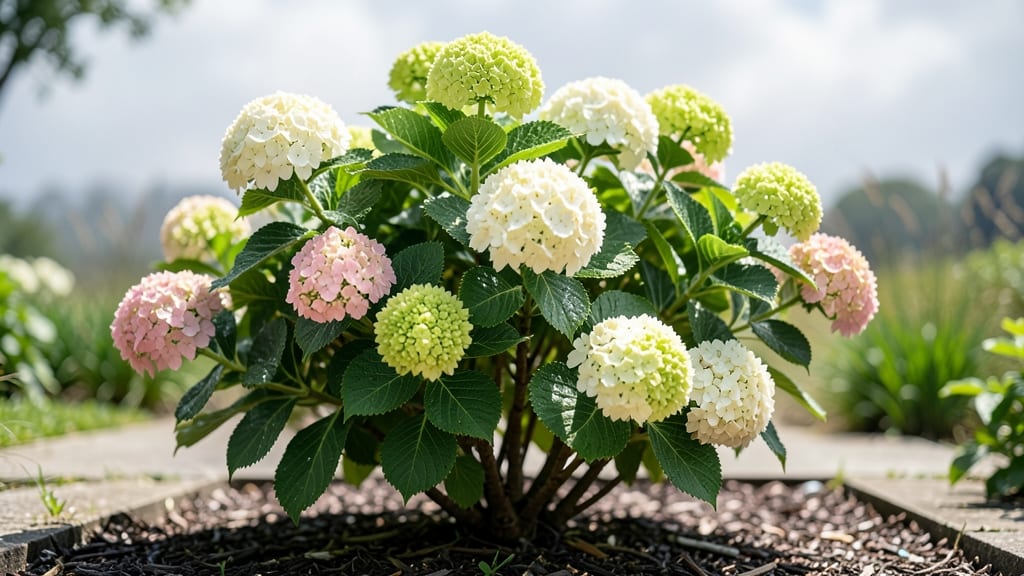
Hydrangeas flower with surprising frequency — some varieties bloom twice a year, while others stick to a single stunning show 🌸.
If you’ve ever wondered why your hydrangeas bloom sporadically—or not at all—understanding their natural flowering cycles could transform your garden’s seasonal beauty. The answer depends on variety, climate, and even last year’s growth, but here’s the science-backed breakdown every hydrangea lover needs.
Most hydrangeas, like the classic mophead or lacecap, flower on old wood, meaning their blooms form on stems from the previous year. This explains why aggressive pruning can mean fewer flowers the next season.
But don’t worry—reblooming varieties, such as panicle hydrangeas, produce flowers on both old and new wood, giving you a second show in late summer.
Below, I’ll break down how often your hydrangeas should flower based on their type, your climate zone, and simple adjustments you can make to encourage more frequent blooms. You’ll learn the best pruning times, soil tweaks, and seasonal care to keep your hydrangeas flowering like clockwork.
Hydrangea flowering frequency by variety: annual vs. seasonal bloomers
Not all hydrangeas follow the same blooming schedule, which is why some gardeners get one spectacular summer display while others enjoy multiple flushes of flowers throughout the season.
The key difference lies in their flowering wood—whether they bloom on old wood (last year’s growth) or new wood (current season’s growth). This distinction determines whether your hydrangea is an annual bloomer or a seasonal rebloomer.
Understanding these patterns helps you choose the right variety for your climate and prune correctly to maximize blooms. For example, mophead hydrangeas like 'Endless Summer' can produce flowers twice a year, while oakleaf hydrangeas typically bloom just once.
Let’s break down the flowering frequency by the most popular hydrangea types and what it means for your garden.
| Variety | Blooming Wood | Flowering Frequency | Pruning Time | Best For |
|---|---|---|---|---|
| Mophead (e.g., 'Nikko Blue', 'Endless Summer') | Old & New | Seasonal rebloomer (2x/year) | Late winter/early spring | Zones 4-9, warm climates |
| Lacecap (e.g., 'Limelight', 'Vanille Fraise') | Old & New | Seasonal rebloomer (2x/year) | Late winter/early spring | Zones 5-9, partial shade |
| Oakleaf (e.g., 'Snow Queen', 'Purple Smoke') | Old Wood | Annual bloomer (1x/year) | After flowering (late summer) | Zones 4-8, fall color |
| Panicle (e.g., 'Little Lime', 'Grandiflora') | New Wood | Seasonal rebloomer (2x/year) | Late winter/early spring | Zones 3-9, full sun |
If you’re growing mophead or lacecap hydrangeas, you’re in luck—they’re designed to rebloom in late summer if given the right care. These varieties produce flowers on both old wood (last year’s stems) and new wood (current season’s growth).
However, their second flush often appears smaller than the first, which is why pruning matters. Cutting back too early can remove next year’s old wood blooms.
The panicle hydrangea is a standout for new wood bloomers—they flower exclusively on current season’s growth, making them the most forgiving to prune. Varieties like 'Little Lime' and 'Limelight' thrive in full sun and can produce conical blooms from mid-summer to frost.
This makes them ideal for long-lasting seasonal interest in your garden.
On the other hand, oakleaf hydrangeas are annual bloomers, meaning they flower just once per year on old wood. Their stunning fall foliage is a bonus, but if you prune at the wrong time, you risk losing next year’s flowers entirely.
These hydrangeas are perfect for gardeners who want one dramatic display but don’t mind waiting a year between blooms.
Pruning is where many gardeners go wrong. For old wood bloomers like oakleaf hydrangeas, you should never prune before mid-summer, as this removes the flower buds for next year.
In contrast, new wood bloomers like panicle hydrangeas can be pruned right after flowering to encourage bushier growth and more blooms. Always use clean, sharp shears and avoid cutting into woody stems.
Another critical factor is soil pH, which directly impacts flower color. For example, blue hydrangeas thrive in acidic soil (pH 5.5-6.0), while pink blooms prefer neutral to slightly alkaline soil (pH 6
Climate Zone impact: when and how often hydrangeas flower in different regions
Your hydrangea’s flowering schedule isn’t just about the variety—it’s heavily influenced by your USDA climate zone. In colder regions like Zone 3-5, most hydrangeas produce just one flush of blooms in late spring to early summer, while Zones 7-10 often see reblooming varieties that flower twice yearly.
The key difference? Frost dates and seasonal length determine whether buds form on old wood (last year’s growth) or new wood (current season’s growth).
In Zone 3-5, where winters are harsh, hydrangeas like Oakleaf hydrangeas rely on old wood blooms that form in summer. A late frost can kill emerging buds, while Zone 6-7 gardeners often see mophead varieties like ‘Endless Summer’ rebloom if given proper care.
Meanwhile, in Zones 8-10, panicle hydrangeas like ‘Limelight’ thrive with year-round blooming potential if pruned correctly.
In Zone 3-5, where winter lasts 5-7 months, hydrangeas enter dormancy early. This means buds for next year’s blooms form in summer heat, but a late spring frost can wipe out flowers before they open.
For example, Bigleaf hydrangeas in Minnesota (Zone 4) typically bloom in June and won’t rebloom unless you’re growing a specialized variety like ‘Annabelle.’
Moving to Zone 6-7, like Virginia or Missouri, the longer growing season (180-220 frost-free days) allows reblooming varieties to set secondary buds on new growth. Here, ‘Endless Summer’ mopheads can produce two flushes: one on old wood in June and another on new wood in September.
The trick? Deadhead spent blooms in summer to redirect energy to new flowers.
Southern gardeners in Zones 8-10 enjoy the most flexibility. In Florida or California, panicle hydrangeas like ‘Little Lime’ can bloom from spring through fall if pruned correctly in late winter.
The warm winters prevent dormancy, so these varieties treat blooms like annuals, producing flowers on current season’s growth alone. Just avoid heavy pruning in fall, as this removes next year’s buds.
No matter your zone, watering consistency and soil moisture are critical. In dry climates (Zone 9-10), hydrangeas may skip blooms if stressed, while humid zones (Zone 7) can promote fungal issues that weaken flowering.
Always mulch heavily in winter for Zone 3-6 to protect roots from freeze-thaw cycles that disrupt bud formation.