
Flowers
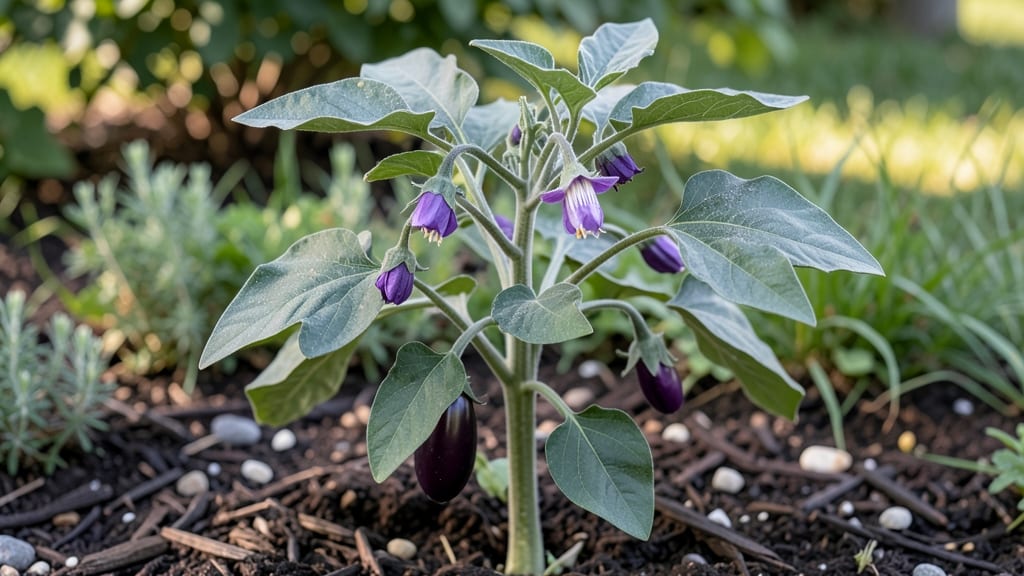
Eggplant flower buds are the gateway to a bountiful harvest, but many gardeners miss the mark by pruning at the wrong time or ignoring key signals.
Picture this: you’ve nurtured your 🍆 plants all season, only to watch flower buds drop like rain. That’s not bad luck—it’s often a sign your pruning (or lack of it) is throwing off the plant’s energy balance.
The right approach can mean the difference between a handful of small fruits and a table full of plump, glossy eggplants.
Pruning isn’t just about cutting back—it’s about timing. Too early, and you stunt growth; too late, and you risk bud drop. In this guide, I’ll walk you through when to prune for bigger yields, how to spot the best buds to keep, and the simple tricks that prevent wasted energy.
By the end, you’ll know exactly which buds to trim, which to leave alone, and how to coax your eggplants into producing their best harvest yet—without the guesswork.
When to prune eggplant flower buds for maximum fruit size
Pruning eggplant flower buds at the right time can transform your harvest from small, abundant fruits to fewer but much larger eggplants.
The key lies in understanding your plant’s growth stages and environmental conditions. Early-season pruning focuses on removing excess buds to redirect energy, while late-season adjustments help maintain fruit quality as temperatures rise. Get this wrong, and you might end up with stunted growth or fewer harvests.
Eggplants thrive in warm climates (70-85°F), but high humidity or extreme heat can stress the plant, making pruning decisions even more critical. Over-pruning weakens the plant, while under-pruning leads to small, crowded fruits.
The goal is balance—promoting larger fruit size without sacrificing yield quantity. Let’s break down the optimal timing and what to watch for at each stage.
During the early vegetative stage (4-6 weeks after transplanting), focus on removing excess flower buds from the lower third of the plant. This encourages root and stem growth, giving your eggplant the strength to support larger fruits later.
Aim to leave 3-5 buds per stem—any more, and the plant may struggle to nourish them all. Monitor for yellowing leaves, a sign of over-pruning or stress.
As your eggplant enters the mid-season flowering phase (6-8 weeks post-transplant), shift your focus to bud clusters on the same stem. Remove all but one bud per cluster to prevent competition for nutrients.
This is when you’ll see the biggest payoff: larger fruit size and improved quality. If you notice dropping buds, it’s often a sign of heat stress or poor pollination, not pruning.
In late-season heat (8+ weeks), pruning becomes more about maintenance than growth. Remove diseased or dying buds to prevent fungal spread and extend your harvest. Avoid heavy pruning here—your plant is already directing energy to existing fruits.
Instead, focus on air circulation by trimming crowded foliage. If temperatures exceed 90°F, provide afternoon shade to protect buds from wilting.
Recognizing the signs of over-pruning or under-pruning is crucial. Over-pruned plants show stunted growth, fewer flowers, and weak stems. Under-pruned plants, meanwhile, produce small, crowded fruits and may develop powdery mildew due to poor air flow.
The key is to prune selectively, always leaving enough buds to ensure a steady yield while maximizing size.
Environmental factors play a huge role in pruning success. High humidity (above 70%) can encourage fungal diseases, so prune on dry, sunny mornings to allow wounds to heal quickly. In dry climates, prune after watering to reduce stress.
If your eggplants are struggling with bud drop, check for poor pollination—hand-pollinate flowers by gently shaking stems or using a small brush to transfer pollen.
For organic gardeners, pruning is even more critical since synthetic fertilizers aren’t an option. Pair pruning with compost tea or fish emulsion to replenish nutrients lost during bud removal. Mulch
Step-by-step guide to pruning eggplant flower buds like a pro
Pruning eggplant flower buds might seem tricky, but it’s one of the best ways to ensure larger, healthier fruits. The key is knowing which buds to remove and when to do it.
I’ve pruned dozens of eggplants, and the difference in fruit size is night and day when done correctly. Let’s break it down so you can avoid common mistakes and maximize your harvest.
Before grabbing your pruners, you’ll need to identify the right buds to prune. Look for small, round buds that haven’t yet opened—these are the ones competing with your main fruits. Mature flowers that have already opened should stay unless they’re crowding existing fruit.
The goal is to redirect the plant’s energy toward fewer, larger fruits rather than a bunch of small ones.
Step-by-Step Guide to Pruning Eggplant Flower Buds
-
Step 1: Gather Your Tools
Clean, sharp bypass pruners or scissors (sterilized with rubbing alcohol). Avoid tearing buds—clean cuts heal faster. -
Step 2: Identify Buds to Prune
Remove small, unopened buds (pea-sized) near existing fruit. Keep larger buds (quarter-sized) that haven’t bloomed yet—they’ll produce fruit later. -
Step 3: Prune at the Right Angle
Cut just above a leaf node (where leaves grow) at a 45-degree angle. This prevents water from pooling and reduces disease risk. -
Step 4: Time Your Pruning
Prune in the morning on a cool, cloudy day. Avoid pruning during peak heat—it stresses the plant. -
Step 5: Monitor for New Growth
After pruning, watch for new buds to form. If the plant looks overwhelmed, prune again in 10–14 days.
One of the biggest mistakes I see is pruning too late in the season.
If your eggplants are already loaded with fruit, removing buds won’t help—it’s too late for the plant to redirect energy. Stop pruning 4–6 weeks before your first frost to let the remaining buds mature into fruit.
Also, never prune more than 30% of the buds at once, or you’ll shock the plant.
Another common error is pruning the wrong buds. For example, removing a fully opened flower (even if small) can reduce your total yield. Always prioritize unopened buds near existing fruit.
If you’re unsure, snap off a bud and check its size—if it’s smaller than your thumb, it’s likely a candidate for pruning.
After pruning, your eggplants will focus their energy on fewer, larger fruits. Within 2–3 weeks, you’ll notice bigger buds forming and existing fruit swelling. For best results, pair pruning with consistent watering and a balanced fertilizer (like 5-10-10) every 4–6 weeks.
This combo ensures your plants have the nutrients to support their new growth.
Remember, pruning isn’t about removing all buds—it’s about strategic removal to boost fruit quality. With practice, you’ll develop an eye for which buds to keep and which to snip. Happy pruning, and here’s to your biggest eggplant harvest yet! 🍆