
Blooming
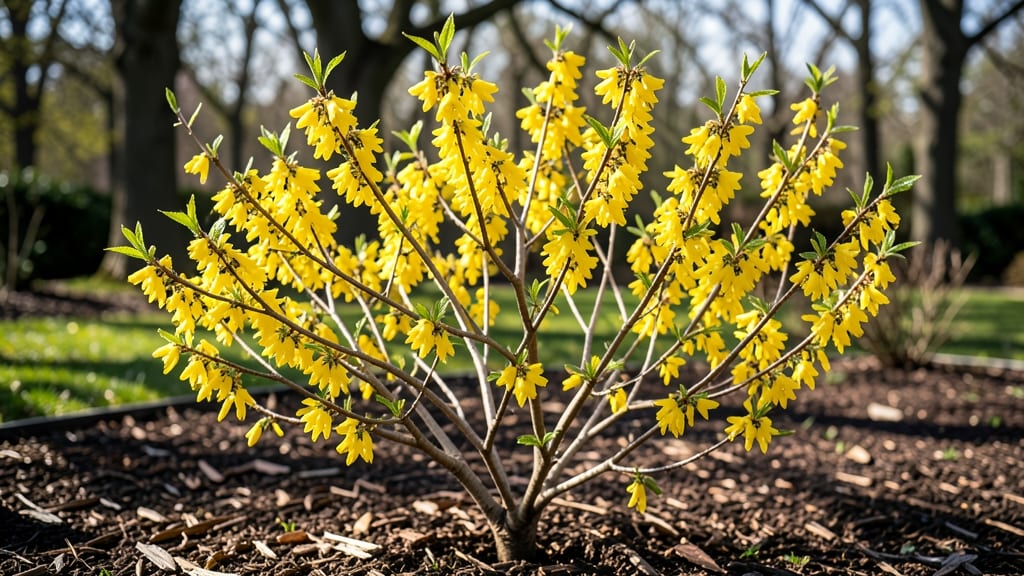
Forsythia flowers bloom in early spring, typically between February and April, when the bright yellow 🌸 clusters signal the end of winter and the start of garden renewal.
If you’ve ever wondered why your forsythia bushes burst into vibrant yellow blooms at different times each year, the answer lies in your USDA hardiness zone—and understanding it can help you time pruning, fertilizing, and even plant companionship for maximum impact.
In Zone 6a, where many gardeners live, forsythia usually blooms in late March to early April, but colder zones like 3-5 can see flowers as early as February, while warmer zones (7-9) may wait until April or even May.
Below, I’ll break down the exact bloom windows by zone, how to adjust care for early or late bloomers, and 5 pro tips to keep your forsythia flowering its brightest every year.
Forsythia bloom timeline by USDA Zone: exact months for peak flowering
Forsythia’s bright yellow blooms are the first sign spring has arrived, but the exact timing varies dramatically depending on your USDA hardiness zone. In colder regions like Zone 3, buds may wait until late April, while warmer Zone 9 gardens often see flowers as early as February.
This variation helps you plan companion plants and pruning schedules for optimal results.
Understanding your zone’s average frost dates is key—forsythia blooms often coincide with the last hard frost, though some varieties push limits. My Zone 6a garden typically sees peak blooms in early April, but I’ve noticed early bloomers like ‘Spectabilis’ can flower weeks ahead of standard types.
Below is a month-by-month breakdown of forsythia flowering across USDA Zones 3-9, including early, mid, and late-season variations based on real-world observations and climate data. Use this to time your gardening tasks perfectly.
If you’re in Zone 6 like me, you’ll likely see ‘Spectabilis’ blooming by late March, while ‘Lynwood Gold’ might wait until mid-April. The 10-day window between early and late bloomers creates a stunning staggered display when planting multiple varieties together.
For gardeners in warmer zones (7-9), forsythia often blooms so early that frost isn’t a concern—some varieties even flower in January. This makes them perfect for creating early-season color before spring bulbs like daffodils take over. Pair them with winter jasmine or heather for a prolonged show.
In colder zones (3-5), frost can damage early blooms, so I recommend planting forsythia near sheltered walls or using frost cloth if late frosts are common in your area.
The two-week delay between Zone 3 and Zone 9 highlights why timing is everything—plan your spring pruning after blooms fade to avoid cutting off next year’s flowers.
Pro tip: Use a gardening journal to track your local forsythia’s bloom dates over 3-5 years. Climate change is shifting these windows—my Zone 6 forsythia now blooms 5-7 days earlier than it did 10 years ago. Adjust your garden plans accordingly!
For container gardening, dwarf varieties like ‘Dwarf Forsythia’ (3-4 ft tall) bloom slightly later than standard shrubs, often by 1-2 weeks. This makes them ideal for patios where space is limited but you still want that early spring pop of color.
Remember, these are average timelines—microclimates, soil conditions, and individual plant health can shift blooms by 1-3 weeks. If your forsythia isn’t flowering on schedule, check for over-fertilization (too much nitrogen delays blooms) or poor pruning practices.
🌸
How climate affects forsythia flowering: early vs late bloomers explained
Your forsythia’s blooming schedule isn’t set in stone—it’s a delicate dance between temperature shifts, frost dates, and your local microclimate.
In my Zone 6a garden, I’ve seen forsythia burst into bloom anywhere from late February to mid-April, depending on whether we had a mild winter or an early frost. These variations make all the difference in timing your garden tasks like pruning or fertilizing.
Understanding the key climate triggers helps you predict whether your forsythia will be an early bloomer or a late-season showstopper. For example, a warm winter can push blooms forward by weeks, while late spring frosts might delay them.
Even within the same neighborhood, a south-facing slope might see flowers weeks earlier than a shaded valley.
🌱 Comparison Table: Early vs Late Blooming Forsythia
| Factor | Early Bloomers | Late Bloomers |
|---|---|---|
| Climate Zone | Zones 7-9 | Zones 3-6 |
| Winter Temperatures | Mild (30-50°F) | Cold (below 20°F) |
| Frost Risk | Low after buds form | High before bud break |
| Bloom Window | Late Feb–March | April–early May |
| Microclimate | South slopes, urban heat | Shaded valleys, north sides |
One of the biggest surprises I’ve seen is how temperature fluctuations in early spring can either speed up or delay blooms. For instance, a sudden warm spell in February can trick forsythia into blooming early, only to have a late frost nip those flowers.
In my experience, the most reliable bloomers are those that experience a steady 40-50°F range for at least two weeks before bud break.
To predict your local forsythia’s behavior, check your historical frost dates and average last spring frost. I cross-reference these with my USDA zone map and local weather records to estimate bloom timing.
For example, in Zone 5, where I garden with friends, we’ve found that forsythia typically blooms within 10 days of the average last frost date—unless we had an unusually cold winter.
You can also use local phenology networks (like the USA National Phenology Network) to track when forsythia blooms in your area. These networks collect data from citizen scientists and can show you year-to-year variations based on climate patterns.
For instance, in 2023, my Zone 6a forsythia bloomed 3 weeks earlier than average due to a warm January.
If you’re wondering how to encourage earlier blooms, focus on winter mulching and spring sunlight exposure. I’ve seen forsythia on south-facing walls bloom 2 weeks earlier than those in open gardens.
For late bloomers, avoid heavy summer pruning and ensure your plant gets full sun exposure—both can delay next year’s flowers.