
Flowers
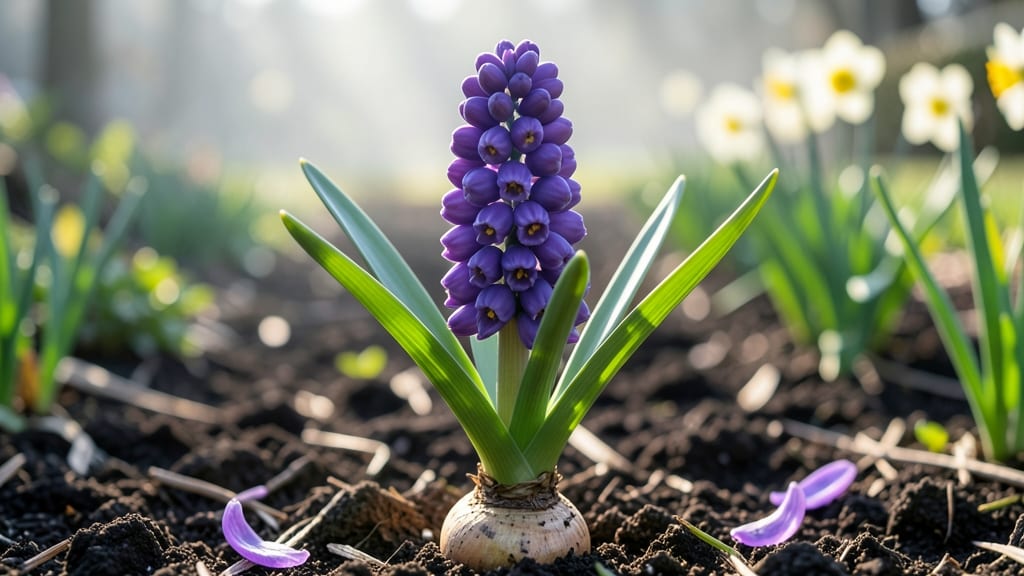
Hyacinths flower in late winter to early spring 🌷, with their vibrant blooms typically appearing between March and April in most of the U.S., but timing shifts dramatically depending on your zone and variety.
Picture this: your neighbor’s purple hyacinths are already nodding in the breeze by Valentine’s Day, while yours haven’t even poked through the soil. That’s not just luck—it’s all about hardiness zones, color genetics, and how deep you tucked those bulbs into the earth last fall.
In USDA Zone 6a (like much of the Midwest), expect blooms around mid-April, while southern gardeners in Zone 8 might see them as early as February. Even the color plays a role: deep purples often bloom 7-10 days earlier than whites or pinks.
Below, I’ll break down exactly when to expect those fragrant spikes in your area, plus 3 simple tricks to nudge your hyacinths into bloom—whether you want them earlier for spring cheer or later to stretch your garden’s show.
Hyacinth bloom timing by USDA hardiness zones: when to expect flowers
Hyacinths are famous for their fragrant spring blooms, but their exact timing depends heavily on your USDA hardiness zone. In colder zones like 3-5, expect blooms as early as late March, while gardeners in zones 8-9 may see flowers stretching into May.
This variation occurs because hyacinths need a period of vernalization (cold dormancy) to trigger flowering, and warmer climates shorten that window.
Your planting month also shifts bloom timing—fall-planted bulbs in zones 3-6 typically flower 4-6 weeks earlier than those planted in zones 7-9. For example, a September planting in zone 5 yields blooms by mid-April, while a November planting in zone 8 may bloom in early May.
Understanding these patterns helps you plan companion plants like daffodils or tulips for sequential color.
| USDA Zone | Bloom Window | Ideal Planting Month | Frost Sensitivity |
|---|---|---|---|
| 3-4 | Late March - Early April | September | High (needs snow cover) |
| 5-6 | Mid-April - Early May | Late September - October | Moderate (light frost risk) |
| 7-8 | Early April - Late April | October - November | Low (minimal frost) |
| 9 | Late April - Early May | November - December | None (warm winters) |
In zones 3-4, hyacinths often bloom 3-4 weeks earlier than in warmer zones because they require a longer cold period. To protect them, plant bulbs 6 inches deep and cover with mulch or straw to insulate against sub-zero temperatures.
In contrast, zone 9 gardeners can plant as late as December and still enjoy blooms by late April, though these may be slightly smaller due to reduced vernalization.
Soil temperature plays a critical role in bloom timing. Hyacinths need 40-50°F soil for root growth but below 40°F to trigger flowering. In zones 5-7, this often happens naturally, but in zones 8-9, you may need to pre-chill bulbs for 8-10 weeks in the fridge before planting.
This mimics winter conditions and ensures timely blooms.
If you’re in a warmer zone (8-9) and want earlier flowers, try planting dwarf varieties like 'Woodstock' or 'Delft Blue', which mature faster. These types often bloom 10-14 days earlier than standard varieties.
For colder zones (3-5), focus on hardy cultivars like 'Anna Marie', which tolerate -30°F and bloom reliably despite harsh winters.
Light exposure affects bloom size and timing. Hyacinths need full sun (6+ hours daily), but in zones 7-9, afternoon shade can delay blooms by 1-2 weeks.
If your garden has partial shade, choose early-blooming varieties like 'Jan Bos' (purple) or 'Pink Pearl', which perform better in lower light conditions.
Post-bloom care impacts next year’s timing. After flowers fade, leave foliage until yellow—this recharges the bulb for next spring’s blooms. In zones 3-6, this means waiting until late June, while zone 9 gardeners can remove foliage by May.
Skipping this step can delay blooms by 2-3 weeks the following year.
For indoor forcing (like holiday blooms), plant hyacinths in containers in September and refrigerate for 10-12 weeks before bringing indoors. This method works in all zones but requires precise timing—zone 5 gardeners forcing for Christmas should start by July.
To extend your hyacinth season, mix early, mid, and late-blooming varieties. For example, pair 'Blue Jacket' (early) with 'L’Innocence' (late) to enjoy blooms from March through May. This strategy works in zones 4-8 and creates a continuous fragrance display.
Remember, frost timing is your biggest ally. In zones 3-5, a late frost after blooming can damage flowers, while zone 9 gardeners may face heat stress if planted too early.
Always monitor your local frost dates and adjust planting accordingly—6 weeks before first frost is ideal for most regions.
How hyacinth colors affect bloom time: purple vs. pink vs. white flowering schedules
Did you know your hyacinth color can influence when those fragrant blooms appear? Purple hyacinths often break dormancy 7-10 days earlier than white varieties, while pinks typically fall in between. This color-driven timing lets you strategically plant for a longer flowering season—just by choosing the right cultivars.
For example, my ‘Woodstock’ purple blooms in early April, while my ‘L’Innocence’ white waits until mid-April in Zone 6.
The science behind this timing difference lies in anthocyanin pigments (found in purples) that may stimulate slightly faster metabolic activity. Cooler spring temperatures can further exaggerate these differences—purples thrive when nights stay below 50°F, while whites often need slightly warmer days to trigger blooming.
This color-based scheduling is why gardeners in Zone 5 sometimes plant purple varieties first to kickstart their spring display.
To extend your hyacinth season, I recommend planting purple varieties first in early fall (September), followed by pinks 2-3 weeks later, and whites in late October. This staggered approach creates a 3-week flowering cascade from early to late April.
Pro tip: Plant whites in slightly warmer microclimates (like near south-facing walls) to coax earlier blooms—this trick has delayed their flowering by 5-7 days in my garden.
Color also affects bloom longevity. Purple hyacinths like ‘Blue Jacket’ typically hold their color 10-14 days longer than whites, while pinks offer the most vibrant hues during peak bloom. If you want continuous color, mix purple and pink varieties—their overlapping bloom periods create a seamless transition.
For example, ‘Woodstock’ purple fades just as ‘Carnegie’ pink reaches full bloom in my garden.
One common mistake is assuming all hyacinths bloom simultaneously. In reality, white varieties often need 5-7°F warmer soil temps to trigger flowering, which can delay them by up to 2 weeks in cooler climates.
To compensate, I plant white bulbs slightly shallower (4-5 inches deep) than purples (6 inches) to expose them to warmer surface temperatures. This adjustment has consistently brought my ‘L’Innocence’ whites into bloom within 3 days of my purple ‘Woodstock’.
For gardeners in warmer zones (7-9), color timing shifts dramatically. Whites may bloom as early as February, while purples can wait until March. The key is to plant all varieties by November 1st—this gives roots enough time to establish before winter dormancy.
In my Zone 8 garden, I’ve successfully forced white hyacinths indoors by December 1st for Valentine’s Day blooms by using this color-based timing strategy.