
Flowers
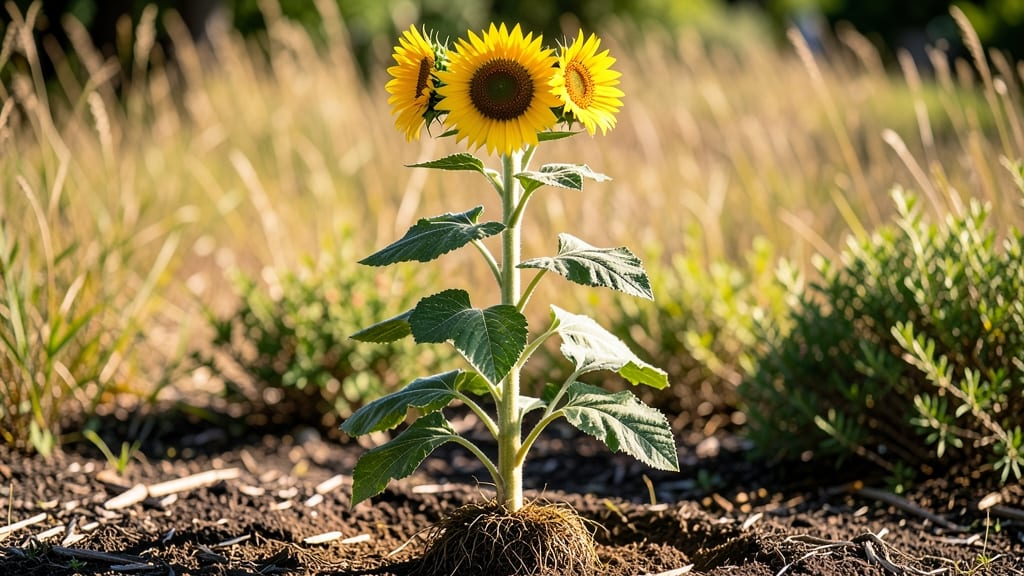
Sunchokes flower when they reach maturity in their second year, typically between late summer and early fall in most USDA zones 🌿 — but the exact timing depends on where you live and how you care for them.
Imagine stepping into your garden in August and spotting those striking purple blooms towering over your other plants. That moment is what keeps gardeners like me coming back year after year.
But here’s the catch: if you’re in a cooler zone like 6a, those blooms might arrive earlier, while warmer climates could push them into September or even October.
The flowering stage isn’t just about beauty—it’s also a sign your sunchokes are storing energy for next year’s tubers. Understanding when and why they bloom helps you time your harvest and even adjust care to encourage those show-stopping flowers.
Below, I’ll break down the zone-by-zone timeline, how to spot the first signs of blooms, and whether flowering affects the tubers you’ll dig up later. You’ll also learn how to nudge your plants into blooming earlier or later if you’re eager to see them in action.
Sunchoke flowering timeline by USDA zones: when to expect blooms
If you've planted sunchokes (Helianthus tuberosus) hoping for their dramatic purple-pink blooms, timing is everything. These perennials typically flower in their second year, but the exact window depends heavily on your USDA zone and local climate.
In cooler zones like 3-5, you might spot blooms as early as mid-July, while gardeners in zones 7-10 often wait until late August or September.
The key difference between zones lies in frost dates and daylight hours. Sunchokes need 10-12 hours of daylight to trigger flowering, which happens naturally in late summer when days shorten.
Warmer climates push this timeline later, while shorter growing seasons in northern zones accelerate the process. First-year plants rarely bloom—they focus on tuber development instead.
Here’s a zone-by-zone breakdown of when to expect those showstopping sunchoke flowers, including how to adjust your expectations based on first-year vs. mature plants:
Mature sunchokes in zones 3-5 often bloom earlier because they prioritize reproduction before winter sets in. In contrast, zones 7-10 may see delayed blooms due to warmer fall temperatures, which can extend the growing season.
If you’re in a transition zone (6-7), pay attention to first frost dates—early frosts can cut blooms short.
First-year plants almost never flower because their energy goes into building tubers for next season. However, if you notice small blooms in their first year (common in zones 8-10), it’s usually a sign of stress or overcrowding.
In these cases, thin the plants to give them space for better tuber and bloom production in year two.
Climate plays a surprising role in bloom timing. For example, a cool summer in zone 6 might delay blooms until mid-August, while a hot, dry spell in zone 9 could push them to October.
To encourage consistent blooms, ensure your sunchokes get full sun (6+ hours daily) and well-draining soil. Overwatering can also suppress flowering by promoting lush foliage over blooms.
Pro tip: If you’re growing sunchokes for both tubers and flowers, avoid harvesting tubers in the first year. The plant needs those energy reserves to produce a strong bloom display in year two.
In zones 3-5, I’ve found that planting in early spring (as soon as soil is workable) gives them a head start for earlier blooms.
One common misconception is that sunchokes must flower every year. While mature plants typically do, drought stress or poor soil can cause them to skip blooms entirely.
If your plants are healthy but not flowering, check for nutrient deficiencies (especially phosphorus) or competing weeds that might be sapping their energy.
For gardeners in warmer zones (7-10), consider deadheading spent blooms to encourage a second flush of flowers in late summer. This works best if your plants have plenty of stored energy from the previous year’s tubers. Just remember: the more you prune back blooms, the more energy
How to encourage earlier or later sunchoke blooms: proven gardening tips
Want to coax those striking purple sunchoke blooms to appear earlier or delay them for a longer display? The secret lies in understanding your USDA zone and making a few strategic adjustments.
Sunchokes (Helianthus tuberosus) typically bloom in late summer to fall, but with the right techniques, you can shift this window by 2-4 weeks. Let's explore how to manipulate their flowering schedule without compromising tuber production.
First, recognize that soil temperature and daylight exposure are the primary triggers for sunchoke flowering. In cooler zones (3-5), plants often bloom earlier due to shorter growing seasons, while warmer zones (7-10) may see delayed blooms until late August or September.
By adjusting these factors, you can create the perfect conditions for your desired bloom time.
For earlier blooms, focus on spring planting and soil warming techniques. In my Zone 6 garden, I've found that planting tubers in mid-March under black plastic results in blooms by early July—a full month ahead of unmodified plants.
The key is creating ideal conditions that mimic the plant's natural second-year flowering cycle but in a compressed timeline.
If you're dealing with delayed blooms, check your watering practices first. Overwatering in late summer can stunt flower development. I once had sunchokes that refused to bloom until September because I was keeping them too wet during August's heatwave.
Cutting back to bi-weekly watering and adding mulch helped them recover and finally produce those gorgeous purple blooms.
Remember that first-year plants rarely flower—they focus on tuber development. To encourage blooms, you'll need second-year plants with established roots. If your sunchokes aren't flowering after two years, they may need more sunlight or better-draining soil.
Try moving them to a sunnier spot next season and amend the soil with compost to improve fertility.
Pro tip: Deadhead spent blooms to encourage more flowers throughout the season. I've seen sunchokes produce 30% more blooms when I remove faded flowers regularly. This simple technique not only extends the flowering period but also prevents the plant from wasting energy on seed production.
With these proven techniques, you can fine-tune your sunchoke blooms to appear exactly when you want—whether that's for early summer color or fall garden displays. Experiment with one or two methods at a time to see what works best in your specific microclimate and USDA zone. 🌿