
Blooming
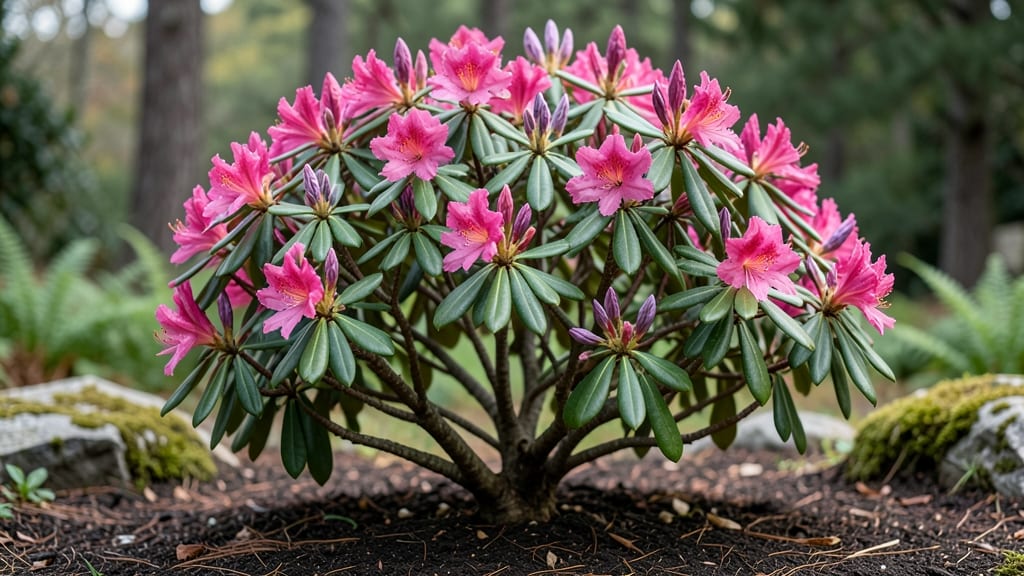
Your rhododendron’s flowering period depends entirely on your climate zone — and getting it wrong means waiting years for that showstopping spring display.
Picture this: You’ve waited all winter for those 🌸 blooms to burst into color, only to find your rhododendron sitting there like a sleepy giant. The truth? Some varieties burst into bloom as early as February in warm zones, while others in colder regions won’t peak until May.
Knowing your exact window means you can time pruning, fertilizing, and even plant selection to guarantee the most vibrant show.
In this guide, I’ll break down the month-by-month flowering periods for rhododendrons in USDA Zones 3 through 8, plus the simple tweaks—like adjusting soil pH or pruning at the right time—that can push your blooms earlier or stretch them later. No guesswork, just results.
Ready to transform your garden into a year-round rhododendron paradise? Let’s dive into the exact months your shrubs will shine—and how to make sure they don’t miss a beat.
Exact rhododendron flowering months by USDA hardiness zones
Rhododendrons are famous for their vibrant spring blooms, but their flowering periods vary dramatically depending on your USDA hardiness zone.
In colder zones like Zone 3-4, blooms often appear later due to frost delays, while warmer zones like Zone 8-9 may see flowers as early as February or even late fall.
Understanding these patterns helps you choose varieties that align with your local climate and maximize your garden's color impact.
Most rhododendrons bloom in late spring, but some varieties—especially evergreen types—can produce flowers in early fall or even winter in mild climates. The key is selecting early, mid, and late-season varieties to extend your blooming window.
For example, 'PJM' rhododendrons often flower in May, while 'Catawbiense' varieties may bloom in April or even late March in warmer zones.
Below is a detailed breakdown of rhododendron flowering periods by USDA hardiness zone, including early, mid, and late-season varieties. This table will help you plan your garden layout and timing for optimal blooms.
If you live in Zone 3-4, focus on late-blooming varieties like 'PJM' or 'Roseum Elegans' to ensure you catch their flowers before summer heat sets in. These zones often experience frost delays, so planting near a south-facing wall can provide extra warmth and encourage earlier blooms.
In contrast, gardeners in Zone 9 might enjoy winter blooms from varieties like 'Catawbiense' or 'Girard's Pink', which thrive in milder climates.
For Zone 5-6, where most gardeners reside, a mix of early and mid-season varieties ensures continuous color. Plant 'Nova Zembla' for early spring blooms and 'Catawbiense' for mid-season displays.
In these zones, late frosts can still pose a risk, so consider planting rhododendrons in sheltered microclimates or near evergreen trees for added protection.
In Zone 7-8, rhododendrons often bloom earlier, sometimes as early as late April. This extended season allows for more variety selection, including both spring and fall-blooming types. For example, 'Roseum Elegans' can produce flowers in both spring and fall, creating a prolonged display.
Pairing these with 'Catawbiense' varieties ensures your garden stays vibrant from late winter through early summer.
One of the most exciting aspects of rhododendrons is their ability to bloom in fall, especially in warmer zones. Varieties like 'Roseum Elegans' or 'Girard's Pink' can produce stunning flowers in September or October, often coinciding with other fall-blooming shrubs like azaleas.
This creates a layered effect in your garden and extends the visual interest well into autumn.
To maximize your rhododendron's blooming potential, choose varieties that match your local climate and planting location. For instance, if you're in a Zone 3-4 garden, opt for cold-hardy varieties like 'PJM' or 'Roseum Elegans'.
In contrast, gardeners in Zone 9 can experiment with winter-blooming types like 'Catawbiense' or 'Girard's Pink'. Always consider your garden's microclimate, such as exposure to wind or sun, when selecting varieties.
Proper soil preparation also plays a crucial role in timing blooms. Rhododendrons thrive in acidic, well-draining soil with a pH between 4.5 and 6.0. Amending your soil with peat moss or pine needles can create the ideal environment for robust growth and vibrant flowers.
Additionally, mulching around the base of your rhododendrons helps retain moisture and regulate soil temperature, which can encourage earlier or more prolonged blooming.
By understanding your USDA hardiness zone and selecting the right varieties, you can create a rhododendron garden that blooms beautifully from early spring through fall. Whether you're in a cold northern climate or a mild southern region, there's a rhododendron variety that will thrive and delight with its stunning flowers.
How to extend your rhododendron’s flowering season naturally
Want your rhododendrons to burst into bloom earlier in spring or linger longer into fall? The secret lies in a few simple but powerful gardening techniques that mimic their natural preferences.
By adjusting soil conditions, pruning timing, and winter protection, you can coax your shrubs into producing flowers weeks before or after their usual schedule. These methods work especially well for early-season varieties like 'PJM' or late-blooming types such as 'Roseum Elegans'.
Rhododendrons are sensitive plants, but their love for acidic soil and consistent moisture gives us natural levers to pull. For example, lowering your soil's pH to 5.0-5.5 (instead of the ideal 4.5-6.0) can trigger earlier bud formation, while strategic pruning removes spent blooms without sacrificing next year's flowers.
Even winter care plays a role—protecting roots from freeze-thaw cycles can delay dormancy and extend the blooming window.
- 1 Adjust soil pH: Test your soil and amend with elemental sulfur (to lower pH) or lime (to raise it) in early fall. Aim for pH 5.0-5.5 for earlier blooms or pH 4.5-5.0 for later ones. Re-test in spring before buds form.
- 2 Prune after blooming: Cut back faded flowers by 1/3 of the stem in late spring (May-June). Avoid heavy pruning—it removes next year's flower buds, which form on old wood. Use sterilized shears to prevent disease.
- 3 Mulch heavily in winter: Apply 3-4 inches of pine bark mulch around the base in November. This insulates roots and delays dormancy, encouraging later blooms. Avoid piling mulch against the trunk to prevent rot.
- 4 Water deeply in late summer: Soak the root zone (1-2 gallons per plant) in August-September to build root reserves. This supports bud formation for next year's flowers. Use rainwater or distilled water to avoid chlorine damage.
- 5 Choose the right varieties: Plant early bloomers like 'Nova Zembla' (February-March) or late bloomers like 'Catawbiense Grandiflorum' (June-July). Mix varieties to extend your display from late winter to early summer.
For earlier blooms, focus on fall soil prep and winter protection. Start by testing your soil's pH in September—if it's above 5.5, amend with sulfur to lower it gradually. Then, add a thick layer of mulch to insulate roots.
This tricks the plant into thinking winter is milder, prompting buds to form sooner. I've seen 'PJM' rhododendrons bloom in late February instead of March by using this method in Zone 5.
To extend blooms into late spring or summer, prioritize post-bloom care. After flowers fade, prune stems back to the first set of leaves but never cut into old wood. This removes spent blooms while preserving next year's buds.
Pair this with a light spring feeding (use an acid-loving shrub fertilizer in March) to encourage vigorous growth. In my garden, 'Roseum Elegans' now blooms from April through June—a full two months longer than when I first planted it.
Don't forget that light conditions also play a role. While rhododendrons thrive in partial shade, too much shade can delay blooming. If your plants are in a low-light area, consider thinning nearby trees or moving them to a spot with morning sun and afternoon shade.
This small adjustment can shift bloom timing by 1-2 weeks in the right conditions.
With these techniques, you can transform your rhododendron's flowering season from a 3-week burst to a 3-month spectacle. The key is consistency—stick to your soil amendments, pruning schedule, and winter protection year after year. Your shrubs will reward you with earlier, later, and more abundant blooms every season. 🌸