
Flowers
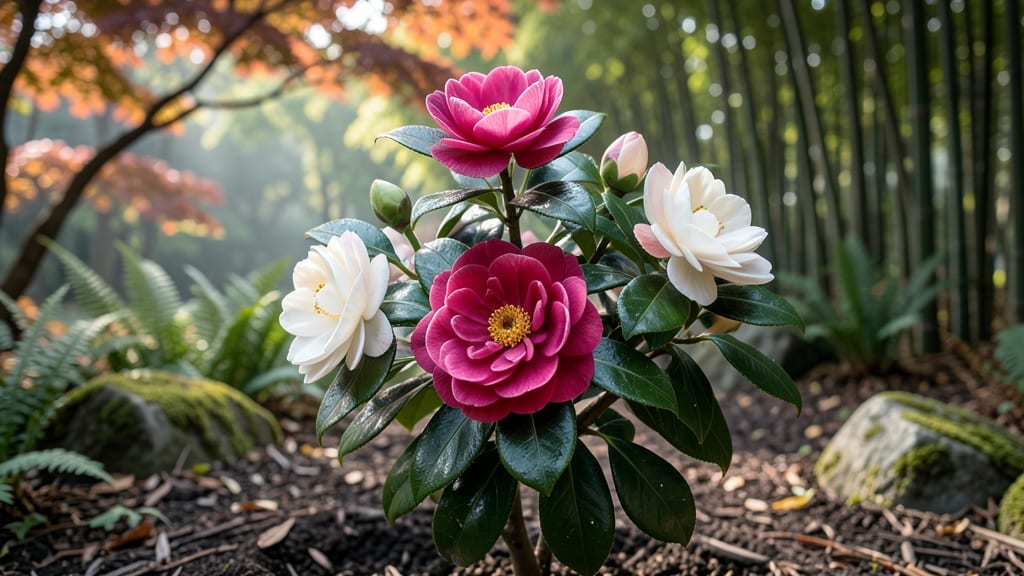
Camellias flower in late fall to early spring, turning your garden into a winter wonderland with their glossy blooms 🌸.
Timing your garden perfectly for camellia blooms means the difference between a showstopping display and missed beauty—here’s exactly when these prized shrubs burst into color across the U.S.
In USDA Zones 7-10, most varieties bloom from December through March, with some early varieties like Camellia sasanqua lighting up the garden as early as October or November. Meanwhile, late bloomers like Camellia japonica often wait until February or March.
Discover the exact months for your zone, plus pro tips to extend your blooms and troubleshoot common issues like skipped flowers or weak buds.
Camellia blooming seasons by USDA Zone: month-by-month breakdown
Timing your garden for camellia blooms depends heavily on your USDA zone and the specific variety you’ve planted. While most camellias thrive in Zones 7-10, their flowering windows shift dramatically—from late fall in warmer climates to early spring in cooler regions.
Understanding these patterns helps you plan for the most stunning displays year after year.
Camellia japonica and Camellia sasanqua dominate the scene, but even within these types, bloom times vary. For example, sasanquas often flower in late fall or winter, while japonicas typically wait until late winter or early spring. Regional differences—like the milder winters of Zone 9 versus the cooler Zone 7—can push blooms earlier or later by weeks.
Here’s a clear breakdown of when to expect blooms across Zones 7-10, including early, mid, and late varieties, so you can anticipate—and celebrate—their seasonal shows.
| USDA Zone | Variety Type | Bloom Season | Regional Notes |
|---|---|---|---|
| 7 | Camellia japonica | Late March–April | Cooler zones delay blooms; protect from late frosts. |
| 7 | Camellia sasanqua | October–November | Early bloomers; ideal for fall color. |
| 8 | Camellia japonica | February–March | Milder winters shift blooms earlier. |
| 8 | Camellia sasanqua | September–October | Prolonged fall blooms possible. |
| 9 | Camellia japonica | January–February | Year-round blooms in microclimates. |
| 9 | Camellia sasanqua | August–September | Heat-tolerant varieties bloom earlier. |
| 10 | Camellia japonica | December–January | Tropical climates enable winter blooms. |
| 10 | Camellia sasanqua | July–August | Extended summer blooms with care. |
In Zone 7, where winters are colder, Camellia japonica often waits until late March or April to bloom, while Camellia sasanqua provides a splash of color in October or November.
This timing makes sasanquas a favorite for fall gardens, offering early seasonal interest before other plants wake up in spring.
Moving to Zone 8, the milder climate shifts blooms earlier. Japonicas burst into flower as early as February, and sasanquas may even bloom in September, extending your garden’s seasonal appeal. Gardeners in this zone can enjoy two distinct bloom periods—one in fall and another in winter.
By Zone 9, the shift becomes even more dramatic. Japonicas often bloom in January or February, while sasanquas may start as early as August. This overlap creates a near-continuous display of blooms, provided you choose varieties that thrive in your microclimate.
For example, Camellia ‘Winter’s Star’ is known for its winter blooms in Zone 9.
In the warmest Zone 10, camellias can bloom almost year-round with the right care. Japonicas may flower in December or January, while sasanquas can produce blooms as early as July.
This zone offers the longest flowering window, but it also requires vigilance against pests and heat stress to keep plants healthy.
Regional variations within zones also play a role. For instance, camellias in coastal areas of Zone 9 may bloom earlier than those inland due to milder temperatures.
Similarly, mountainous regions in Zone 7 might experience delayed blooms compared to valley gardens. Always observe your local climate patterns and adjust expectations accordingly.
To maximize your camellia’s blo
How to extend your Camellia blooms: pruning and care tips
Camellias reward patient gardeners with stunning, long-lasting blooms—but only if you time your care just right. The secret to extended flowering seasons lies in strategic pruning, soil adjustments, and seasonal protection.
Unlike many spring bloomers, camellias often flower in late fall or winter, making their care unique. With the right techniques, you can coax your shrubs into producing blooms for weeks instead of just a few days.
First, understand that pruning timing is everything. Cutting at the wrong time can remove next year’s flower buds, which form on old wood. Most camellias bloom on second-year wood, so prune immediately after blooming (spring for Camellia japonica, late winter for Camellia sasanqua).
This ensures you’re not sacrificing future blooms for shape. For tender varieties in colder zones, winter protection like burlap wraps or mulch can mean the difference between a healthy rebloom and a struggling shrub.
Soil pH is another game-changer. Camellias thrive in acidic soil (pH 5.0–6.0). If your soil is alkaline, amend it with peat moss or sulfur to encourage bud formation. A simple soil test kit can reveal if your garden is holding back your camellia’s potential. Pair this with a balanced, acid-loving fertilizer (like 8-4-8 NPK) applied in early spring and fall to fuel bloom production without overstimulating foliage growth.
🌸 Key Steps to Extend Camellia Blooms
- 1. Prune after blooming: Trim dead or crossing branches in late spring (for C. japonica) or early spring (for C. sasanqua) to avoid cutting off next year’s buds.
- 2. Test soil pH: Aim for 5.0–6.0; amend with peat moss or sulfur if needed to prevent bud drop.
- 3. Fertilize strategically: Use acid-loving fertilizer in early spring and fall—never in summer when buds form.
- 4. Protect in winter: Wrap tender varieties with burlap in USDA Zones 7–8 to prevent frost damage to buds.
- 5. Mulch heavily: Apply 3–4 inches of organic mulch in fall to insulate roots and retain moisture for bud development.
Don’t overlook the power of light exposure. While camellias tolerate partial shade, they need 4–6 hours of morning sun to set buds.
If your shrub is in deep shade, consider thinning nearby trees or relocating it to a sunnier spot (but avoid harsh afternoon sun, which can scorch petals). For reblooming varieties like Camellia hybrid ‘Nuccio’s Pearl’, provide consistent care year-round, including regular watering and avoiding summer pruning.
Finally, water wisely. Camellias hate soggy roots but need consistent moisture, especially during bud formation. Water deeply once or twice a week (more in summer) and mulch to lock in humidity.
In drought-prone areas, a soaker hose or drip irrigation system can prevent buds from drying out before they open. With these adjustments, your camellia could bloom for 6–8 weeks instead of just a few weeks, turning your garden into a winter wonderland.
Remember: patience is key. Camellias often take 2–3 years to mature enough for full blooms, but with the right care, they’ll repay you with vibrant, long-lasting flowers year after year. Start with these tips, and watch your camellia transform into a showstopping star of your landscape. 🌿