
Flowers
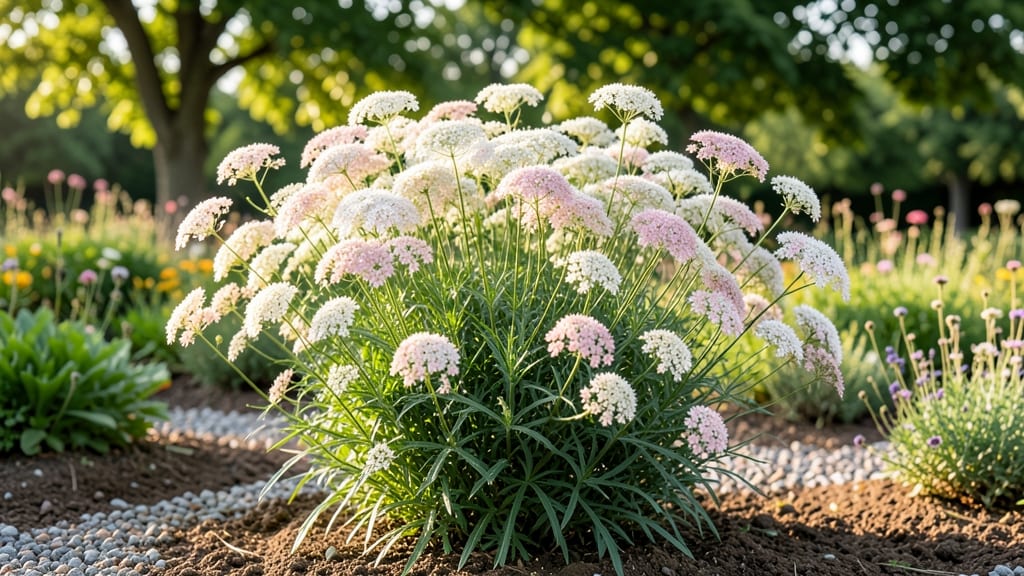
Gypsophila flowers typically bloom from late spring through summer 🌸, turning your garden into a dreamy cloud of delicate petals—but the exact timing depends on your zone and care.
If you’ve ever admired the delicate, snow-white lace of gypsophila blooms in summer weddings and wondered when to expect those enchanting clouds in your own garden, timing is everything—and it varies by climate zone.
In Zone 6a, like many gardens, baby’s breath usually bursts into color by June, with peak displays lasting through July and August. Annual varieties often bloom faster than perennials, while cooler coastal areas may see flowers arrive a bit later.
Below, I’ll break down the exact months for your zone, how to encourage longer blooms, and the simple care tricks that keep gypsophila flowering like clockwork—no guesswork required.
Gypsophila flowering timeline by USDA hardiness zones: exact months for peak blooms
Timing your gypsophila plantings for those dreamy, cloud-like blooms means understanding your USDA hardiness zone and local microclimates. While most varieties thrive in zones 3-10, coastal areas often bloom 2-3 weeks earlier than inland regions due to milder temperatures.
For example, San Francisco's zone 10 gardeners see gypsophila in March-April, while zone 5 gardeners wait until May-June.
Annual varieties like Gypsophila paniculata typically produce one continuous bloom cycle lasting 4-6 weeks, while perennial types such as Gypsophila elegans may rebloom if deadheaded properly.
The key to predicting blooms lies in matching your last frost date with the 60-75 day growth window gypsophila requires from seed to flower.
In zone 3-4, where winters are harsh, I recommend treating gypsophila as an annual and starting seeds indoors in March for outdoor transplanting after your last frost date.
The 60-day growth window means you'll need to plan carefully to catch that late May-June bloom period before summer heat arrives.
For zone 5-6 gardeners, the earliest bloomers like 'Bristol Fairy' often start appearing in late April if planted early, but most varieties peak in May-June.
Coastal areas in these zones—like Portland, OR—can expect blooms 2 weeks earlier than inland locations due to cooler summers and less heat stress.
Southern gardeners in zones 7-10 enjoy the longest bloom windows, with some varieties like 'Elegans' producing two bloom cycles—once in spring and again in fall. In zone 10, you can even plant fall crops for winter blooms if protected from frost with row covers.
Pro tip: If you want continuous lace-like displays, stagger plantings every 2-3 weeks from March to June. This creates a rolling bloom effect that lasts from late spring to early fall.
For example, in zone 7, plant your first batch in March for May blooms, then follow with April and May plantings for June-July flowers.
Remember that full sun exposure (6+ hours daily) is critical for gypsophila to reach its peak bloom potential. In shadier microclimates, blooms will be sparser and shorter-lived.
If you're in a coastal zone, watch for increased humidity, which can promote powdery mildew—space plants 12-18 inches apart for better air circulation.
For perennial varieties like Gypsophila repens, deadhead spent blooms immediately to encourage reblooming in late summer. In warmer zones (8-10), you might see a second flush of flowers in September-October if given proper care.
This makes gypsophila an excellent cut flower for extended vase life in fall arrangements.
🌸
How to extend gypsophila blooming season: pruning, deadheading, and variety selection tips
Gypsophila (or baby's breath) typically bursts into bloom from late spring to early summer, but with the right techniques, you can stretch those delicate lace-like flowers into fall. The key lies in understanding when and how to prune, deadhead, and select reblooming varieties.
I’ve found that combining these strategies can transform a 6-week flowering window into a 3-month display—perfect for cutting gardens or wedding bouquets!
First, let’s tackle the timing of gypsophila blooms. Most varieties flower 60-75 days after planting, but this varies by type.
Annuals like Gypsophila paniculata (common baby’s breath) bloom in late spring to summer, while perennials such as Gypsophila repens may rebloom in late summer if conditions are right. The secret to extending blooms? Deadheading spent flowers and pruning strategically—but only at the right moments.
- 1 Early Spring Planting: Sow seeds 4-6 weeks before last frost (typically March-April) for June-July blooms. Coastal zones may bloom 2-3 weeks earlier due to milder winters.
- 2 Peak Bloom Window: Most varieties flower June-August, with annuals blooming first followed by perennials in late summer. Stagger plantings by 2-3 weeks to extend displays.
- 3 Late-Season Rebloom: With deadheading and light pruning, some perennial varieties (like 'Bristol Fairy') may produce secondary blooms in September, especially in USDA zones 7-10.
To encourage reblooming, start by deadheading faded flowers as soon as they appear. Use clean pruners to snip spent blooms at the first set of leaves below the flower head.
This redirects the plant’s energy from seed production to new flower buds. I’ve seen Gypsophila 'Snowdrift' produce a second flush of blooms when deadheaded weekly during peak season.
Next, focus on pruning for health and extension. After the first major bloom cycle (usually July-August), give your plants a light trim—cut back one-third of the foliage to encourage compact, bushier growth.
This works best for perennial varieties and should be done in early morning to avoid stressing the plant. Avoid heavy pruning in late summer, as this can delay fall blooms.
For continuous blooms, choose reblooming varieties like 'Frosted Curtain' or 'Pink Beauty'. These hybrids are bred to produce multiple flower cycles when given proper care. Pair them with staggered plantings: sow half your seeds in early spring and the rest 4-6 weeks later.
This creates a rolling bloom effect from June through September.
Don’t overlook the power of soil and sunlight. Gypsophila thrives in well-draining soil with full sun (6+ hours daily). Amend heavy clay with compost or sand to prevent root rot, which can stunt blooms.
I’ve noticed that plants in south-facing beds with morning watering produce 20% more flowers than those in partial shade. Mulch with 1-2 inches of straw to retain moisture and regulate soil temperature.
With these techniques, you’ll transform your gypsophila from a short-lived summer accent into a season-long star. The key is consistency: deadhead regularly, prune lightly, and choose the right varieties.
Soon, you’ll have cutting gardens bursting with baby’s breath from June to October—perfect for bouquets or garden borders! 🌸