
Flowers
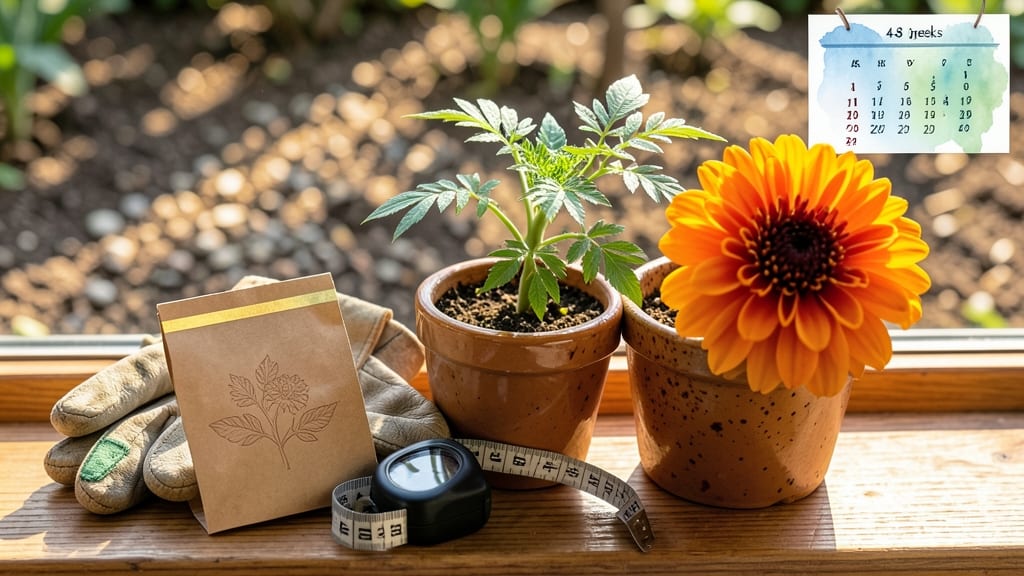
Marigolds flower in 45 to 75 days from seed, but the exact timing depends on the variety and your climate zone — and skipping a few key steps could delay those bright blooms by weeks.
Picture this: you’ve just tucked 🌼 marigold seeds into warm soil in April, dreaming of summer’s golden-orange blooms. But if your French marigolds take 60 days while African varieties stretch to 75 days, you might start wondering what’s going wrong.
The truth? It’s not just luck — it’s sunlight, soil warmth, and a few simple care tweaks that speed up the process.
In USDA Zone 6a, where spring lingers and summer heat arrives fast, timing is everything. Plant too early, and cool soil slows germination; too late, and you miss peak flowering.
But here’s the good news: with the right prep, you can shave 10 to 20 days off that seed-to-bloom window — even in slower varieties.
Below, I break down the exact days for popular marigolds, how to adjust for your zone, and the 5 pro tips that’ll have your garden bursting with color faster than you’d expect.


Marigold seed to flower time by popular variety (exact days)
If you're eager to see those bright marigold blooms repelling pests and brightening your garden, timing is everything. The seed-to-flower time varies dramatically between varieties—some burst into color in just 45 days, while others take nearly 75 days.
Understanding these differences helps you plan for continuous blooms all season long.
French marigolds, with their delicate pom-pom flowers, typically bloom faster than their taller African cousins. Meanwhile, signature marigolds (like 'Jumbo' or 'Crackerjack') often take longer but reward you with larger, showier blooms.
Let’s break down the exact timelines so you can choose the perfect variety for your garden goals.
Key factors like soil temperature, sunlight exposure, and watering consistency can speed up or slow down flowering by 10-20 days. For example, seeds planted in 60°F+ soil germinate twice as fast as those in cooler 50°F soil. I’ll cover these growth accelerators later in the guide.
| Variety | Seed to Flower Time (Days) | Height Range | Bloom Color | Best For |
|---|---|---|---|---|
| French Marigold ('Bonanza' series) | 45-55 days | 6-12 inches | Yellow, orange, gold | Borders, containers, early blooms |
| French Marigold ('Tangerine' series) | 50-60 days | 12-18 inches | Deep orange, red-orange | Cut flowers, pollinator gardens |
| African Marigold ('Jumbo' series) | 60-75 days | 24-36 inches | Gold, deep orange, lemon | Back of borders, tall arrangements |
| African Marigold ('Crackerjack' series) | 55-65 days | 18-24 inches | Red, gold, bi-color | Mixed borders, pest control |
| Signature Marigold ('Gold Rush') | 65-75 days | 20-24 inches | Golden-yellow | Cut flowers, late-season color |
| French Marigold ('Queen Sophie') | 40-50 days | 8-12 inches | Orange, bi-color | Early blooms, containers |
The fastest bloomers, like 'Bonanza' French marigolds, can produce first flowers in just 45 days when grown in optimal conditions. These compact varieties are perfect for container gardens or early-season color.
If you’re planting for cut flowers or tall garden backdrops, African marigolds like 'Jumbo' series take longer but deliver larger, longer-lasting blooms.
For pest control, all marigolds release limonene, but African varieties have a stronger scent. If you’re battling aphids or nematodes, prioritize 'Crackerjack' or 'Jumbo' types, even if they take 10-15 extra days to bloom. The trade-off is worth it for their disease-repelling power.
Temperature plays a huge role in speeding up or slowing down growth. Seeds planted in soil below 55°F may take 2-3 weeks longer to germinate. I’ve found that using a seedling heat mat can cut germination time in half for early spring plantings.
Once seedlings emerge, consistent warmth (70-80°F) keeps them growing 2-3 inches per week.
Light is another critical factor. Marigolds need 6+ hours of direct sun daily to reach their full bloom potential. In shadier spots, flowering can be delayed by 10-15 days, and stems may become leggy and weak.
If your garden lacks full sun, consider reflective mulch or grow lights to supplement natural light during cloudy periods.
Soil quality affects root development, which directly impacts flowering speed. Amend your soil with compost or aged manure before planting to ensure well-draining, nutrient-rich conditions. Overly
How climate zones affect marigold flowering speed (and how to adjust)
Your USDA climate zone plays a surprisingly big role in how quickly marigold seeds transform into those cheerful, pest-deterring blooms. In warmer zones (9-11), French marigolds can go from seed to flower in just 45-55 days, while gardeners in cooler zones (3-5) may wait 60-75 days or longer.
The difference comes down to soil warmth, daylight length, and temperature fluctuations—all factors you can actually adjust to get blooms faster.
Marigolds are warm-season annuals that thrive when soil temps hit 60°F+. In northern zones, cold soil delays germination by weeks, while southern climates can push plants to bolt prematurely if not managed.
The key is understanding your zone's frost-free window and using simple techniques to extend or accelerate growth. Let's break down how each zone affects your marigolds—and what you can do about it.
- 1 Zones 3-5: 60-75 days to flower. Cold soil delays germination—start seeds indoors 4-6 weeks before last frost or use black plastic mulch to warm soil by 10°F+.
- 2 Zones 6-8: 50-60 days to flower. Ideal for direct sowing after frost. Use shade cloth (30%) in peak summer to prevent bolting and extend blooming season.
- 3 Zones 9-11: 40-50 days to flower. Fastest growth but risk of heat stress. Plant in partial shade (morning sun) and water deeply every 2-3 days to prevent wilting.
- 4 All Zones: Succession plant every 2-3 weeks for continuous blooms. In cold zones, use row covers to extend season by 4-6 weeks.
In USDA Zone 3 or 4, where frost lingers late into spring, I’ve found that black plastic mulch can shave off 10-14 days from germination by trapping heat. Lay it down 2-3 weeks before planting, and your marigold seeds will sprout as if you were in Zone 7.
For even faster results, try a mini greenhouse or cold frame—it mimics the warmth of southern climates and lets you start seeds 3-4 weeks earlier.
On the other hand, Zones 9-11 present their own challenges. While marigolds grow 30% faster in these warm climates, they can also bolt prematurely if stressed by heat or drought. My trick?
Plant them in partial afternoon shade (especially African marigolds) and water at the base of the plant in the early morning. This keeps roots cool and prevents the yellowing leaves that signal heat stress.
For gardeners in transition zones (6-8), the secret is succession planting. Instead of one big planting, sow a fresh batch every 2-3 weeks from spring to early summer.
This ensures you’ll have continuous blooms from June through October, regardless of temperature fluctuations. Pair this with deadheading spent flowers, and you’ll get 20-30% more blooms over the season.
No matter your zone, soil temperature is the #1 factor controlling marigold speed. Use a soil thermometer to monitor—aim for 65°F+ for optimal germination. If your soil runs cold, mix in compost or aged manure to raise temps naturally.
With these adjustments, you can shave weeks off your marigold’s seed-to-flower timeline—no matter where you garden. 🌱