
Flowers
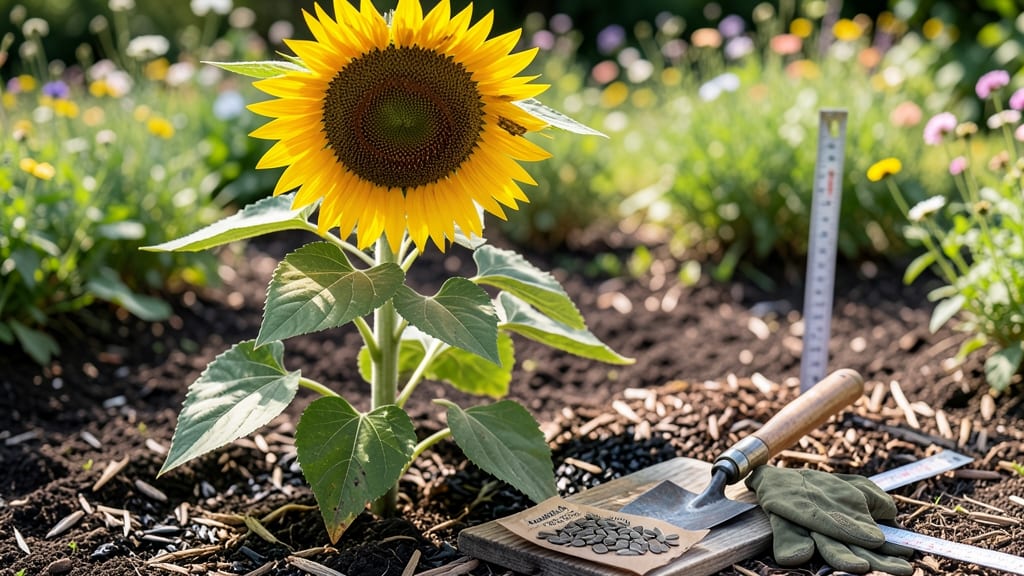
Planting sunflowers in Tennessee between mid-April and late June ensures they thrive in the state’s 6a–7b zones, where last frosts linger until early May.
Sunflowers bring vibrant color and joy to Tennessee gardens—but planting them too early or late can mean the difference between towering blooms and wilted disappointment. Timing matters, especially across Tennessee’s diverse USDA zones (6b through 8a), where frost dates and growing seasons vary dramatically.
If you’ve ever watched a sunflower 🌻 struggle through a late frost or bolt in the heat, you know how critical the right window is. The key is waiting until soil temperatures hit 50°F and the danger of frost has passed—typically after mid-April in most of the state.
Below, I’ll break down the exact planting timeline for Tennessee’s West, Middle, and East regions, plus tips for choosing varieties that match your growing season—whether you’re after quick-blooming Teddy Bears or towering Russian Giants.
Tennessee sunflower planting timeline by USDA Zone (6b-8a)
Tennessee’s USDA zones 6b through 8a create a diverse planting landscape for sunflowers, where last frost dates can vary by 3-4 weeks from the mountains to the Mississippi Delta.
In Zone 6b (eastern highlands), you’ll need to wait until mid-April for safe planting, while Zone 8a (western Memphis area) can start as early as late March. Understanding these microclimate differences ensures your sunflowers reach their full 10-14 foot potential before frost strikes.
Sunflowers thrive in warm soil temperatures of at least 50°F, which typically aligns with late April to early May across most of Tennessee. Early varieties like ‘Teddy Bear’ (38 days to maturity) can be planted in late March in Zone 8a, while giant varieties like ‘Russian Mammoth’ (120 days) need the full June planting window to avoid frost damage.
The key is matching your variety’s days to maturity with your frost-free season.
For Zone 6b gardeners (e.g., Knoxville, Chattanooga), aim for April 15–May 15 planting to ensure blooms before the October 15–20 first frost. In Zone 7a (Nashville, Cookeville), you’ve got a longer window (April 1–June 1), perfect for both dwarf varieties (for containers) and tall giants.
Meanwhile, Zone 8a growers (Memphis, Jackson) can push planting into late June for fall blooms, though late-summer heat may stress plants.
Here’s your zone-specific planting timeline with actionable dates and bloom expectations:
Pro tip: Use a soil thermometer to confirm 50°F soil temps before planting—cold soil delays germination. In Zone 6b, I’ve had success with black plastic mulch to warm the soil faster, while Zone 8a gardeners can direct-sow until July 15 for late-season blooms.
Just remember: sunflowers need 6–8 hours of sun daily, so choose a south-facing location with well-draining soil to avoid rot.
For container gardening (ideal for dwarf varieties like ‘Moulin Rouge’), plant in 5-gallon pots after your last frost date and place them in full sun. Containers dry out faster, so monitor moisture levels closely—especially in Zone 8a’s summer heat.
I’ve grown ‘Teddy Bear’ sunflowers in containers on my Nashville balcony, and they bloomed just 38 days after planting!
Adjust your planting strategy based on your sunflower variety. Early bloomers (e.g., ‘Autumn Beauty’) can handle late-May plantings in Zone 6b, while giant varieties need the full April–May window to reach their 10–14 foot height.
In Zone 8a, I’ve even seen ‘Russian Giant’ sunflowers bloom in
How to adjust sunflower planting for Tennessee’s microclimates and soil conditions
Tennessee’s diverse microclimates and clay-heavy soils can challenge sunflower growth if you don’t adapt your approach. From the humid East to the drier West, soil drainage and temperature fluctuations demand smart adjustments. Here’s how to optimize your planting for Tennessee’s unique conditions.
First, Tennessee’s heavy clay soils (common in Middle and East TN) can suffocate roots and cause poor drainage. If your garden feels compacted, amending with compost or sand creates pockets for air and water flow.
For container gardening, use lightweight mixes with perlite to prevent root rot—especially in USDA Zone 6b areas where cool springs delay warming.
⚠️ callout warning ⚠️
Tennessee’s late spring frosts (even in Zone 7a) can kill young sunflowers. Wait until soil temps hit 50°F and nighttime lows stay above 45°F—typically mid-April to early May in most regions. Use black plastic mulch to warm soil faster in cooler microclimates like the Cumberland Plateau.
For direct-sown seeds, avoid transplant shock by planting 1 inch deep and 2 inches apart—thinning to 12–18 inches later. If starting indoors, harden off seedlings for 7–10 days before transplanting after the last frost.
To extend your sunflower season, try succession planting in late June for fall blooms. Choose fast-maturing varieties like ‘Autumn Beauty’ (50–60 days) that can handle Tennessee’s shortened daylight in September.
In containers, use 5-gallon pots with drainage holes and move them to sunnier spots if your yard has partial shade (e.g., near fences or trees).
Tennessee’s humidity (especially in West TN) can invite powdery mildew on sunflower leaves. Improve airflow by spacing plants 2–3 feet apart and watering at the base (not overhead). For clay soil drainage, create raised beds with wooden frames filled with a 50/50 mix of garden soil and compost.
This mimics the well-draining conditions sunflowers thrive in.
One trick I swear by? Mulching with straw after germination. It retains moisture, suppresses weeds, and keeps roots cool during Tennessee’s scorching July summers.
For dwarf varieties (like ‘Teddy Bear’), mulch also prevents stem flopping in heavy rains—a common issue in the East TN mountains where afternoon thunderstorms are frequent.
Finally, test your soil’s pH (6.0–7.0 is ideal). Tennessee’s native clay often tests acidic, which can stunt sunflower growth. Add lime if needed, but avoid overdoing it—sunflowers prefer slightly alkaline conditions. With these adjustments, you’ll turn Tennessee’s challenges into showstopping sunflower displays from spring to fall.