
Plants
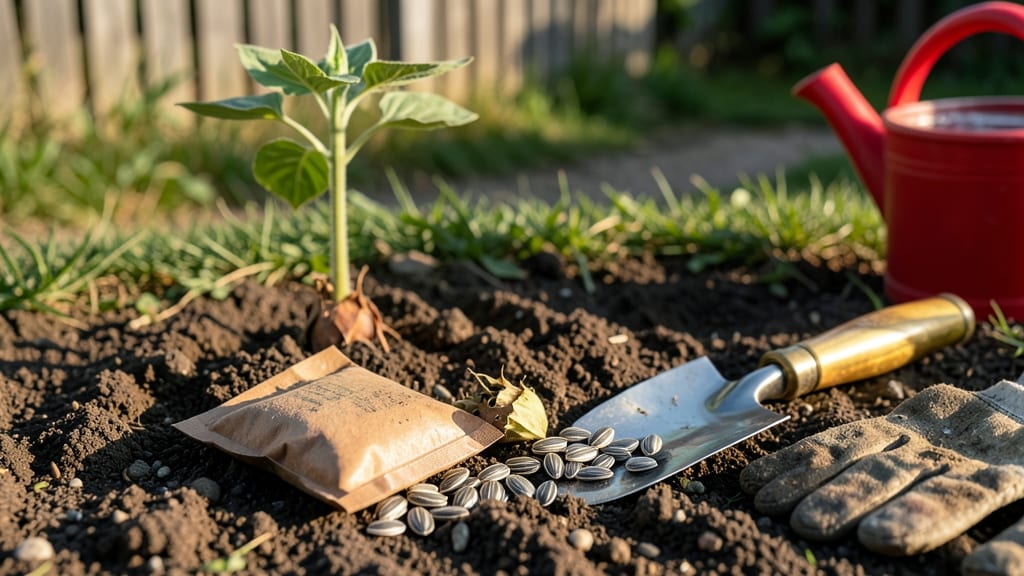
Planting sunflower seeds at the best time ensures strong stems and vibrant blooms 🌻 — aim for after your last frost, when soil warms to at least 50°F.
Picture this: you’ve waited all winter for those towering 8-foot stalks, only to watch them wilt from a late frost. The difference between a thriving sunflower and a sad, stunted one often comes down to timing.
Too early, and cold snaps will shock the seeds; too late, and you’ll miss the long summer they need to mature.
Most gardeners in USDA Zone 6 (like me!) plant sunflowers in April or May, but your exact window depends on your region’s frost dates. Tropical climates can start as early as February, while northern zones may wait until June.
I’ll break down the exact deadlines by zone and share how to adjust for early or late springs.
You’ll also discover how to stretch your sunflower season with staggered planting, avoid common mistakes like overcrowding seeds, and pick the right varieties for your climate. Let’s get those seeds in the ground at the perfect moment!


When to plant sunflower seeds by USDA Zone: frost-free deadline guide
Sunflowers thrive when planted after the last frost date, but the exact timing varies dramatically by USDA zone. In cold zones like Zone 3, you’ll need to wait until late May, while warmer Zone 11 gardeners can start as early as February.
The key is soil temperature—wait until it reaches 50–60°F for consistent germination.
Most sunflowers are annuals with a 50–120-day growth cycle, so late plantings may not mature before frost. Use this guide to pinpoint your frost-free window and adjust for early/late springs. Pro tip: Staggered planting (every 2 weeks) extends your harvest season by weeks!
🌱
| USDA Zone | Last Frost Date | Ideal Planting Window | Soil Temp Threshold | Notes |
|---|---|---|---|---|
| Zones 3–4 | Mid-May | Late May–June 15 | 55–60°F | Use cold-hardy varieties like 'Autumn Beauty' |
| Zones 5–6 | Early May | May 1–June 1 | 50–55°F | Start indoors in Zone 5 if frost lingers |
| Zones 7–8 | Mid-April | April 15–May 15 | 50°F | Perfect for dwarf varieties like 'Teddy Bear' |
| Zones 9–10 | Mid-February | February–April | 45–50°F | Plant in fall for winter blooms (Zone 10) |
| Zone 11 | Year-round | February–October | 40–45°F | Avoid summer heat; plant in spring/fall |
For Zones 3–4, where frosts can linger into June, opt for cold-tolerant varieties like 'Moulin Rouge' or 'Autumn Beauty'. These can handle light frosts and still produce vibrant blooms. In contrast, Zones 9–11 offer flexibility—plant in fall for winter blooms or spring for summer displays.
If your spring arrives early or late, use a soil thermometer to confirm 50–60°F temperatures. Seedlings emerge best in warm soil, and cool conditions can cause rot or poor germination. For Zone 5–6 gardeners, consider starter plants if frost threatens after planting.
🌻
Sunflowers are fast growers, but rushing planting can backfire. In Zones 7–8, where springs are mild, you can start as early as mid-April. However, if nights are still chilly, cover seedlings with frost cloth to protect tender sprouts.
Remember: Soil warmth matters more than air temperature—always check 1 inch deep.
For container gardening, plant seeds 2–3 weeks earlier than your zone’s deadline. Pots warm up faster and can be moved to sheltered spots if frost threatens. Dwarf varieties like 'Teddy Bear' thrive in containers and bloom in just 50–55 days, making them ideal for small spaces.
💧
One common mistake is planting too early in hopes of a longer season. Frost-killed seedlings waste time and resources. Instead, mark your last frost date (check the National Weather Service or local extension office) and count <
How to extend sunflower season: staggered planting & succession tips
Sunflowers thrive on a long growing season, but you can trick nature into giving you blooms from summer to fall with smart planting strategies. The key? Staggered sowing—planting seeds in successive batches every 2–3 weeks.
This ensures you’ll always have some plants in bloom while others mature, creating a continuous display of golden faces in your garden.
Even if you have limited space, container gardening lets you grow sunflowers on patios or balconies. Dwarf varieties like 'Teddy Bear' or 'Moulin Rouge' are perfect for pots, while taller types can be grown in large containers with sturdy supports.
The secret to success? Choosing cold-hardy varieties like 'Autumn Beauty' or 'Russian Giant' for early starts, even in cooler climates.
Here’s how to maximize your sunflower season with a 3-step checklist for multi-season planting:
- 1
- 2
- 3
Don’t forget to thin seedlings to 12–18 inches apart once they’re 4–6 inches tall. This prevents overcrowding, which can lead to weak stems and fewer blooms. If you’re growing taller varieties, add stakes or cages early to support their height as they grow.
For late-season success, choose varieties with shorter maturity times, like 'ProCut' (50 days) or 'Sunspot' (55 days). These are ideal for succession planting in July or August, ensuring you’ll still enjoy blooms before the first frost.
Just be sure to harvest seeds before frost hits to save them for next year!
With these strategies, you’ll enjoy sunflowers in bloom for months, attracting bees, butterflies, and birds to your garden. Plus, you’ll have a steady supply of seeds for bird feeders or next year’s planting. Happy gardening!