
Flowers
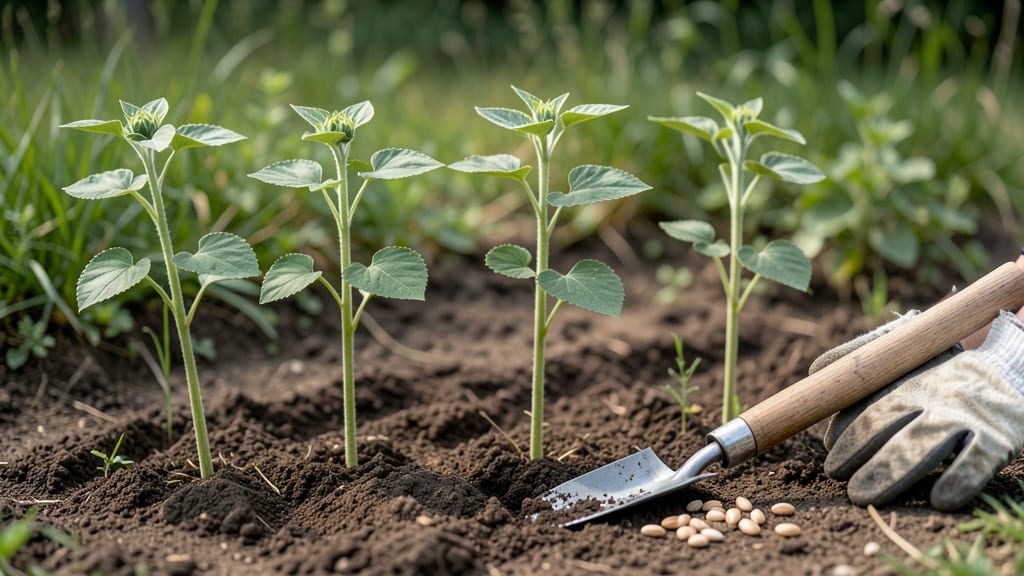
Planting sunflowers in the ground after your last frost date ensures they grow fast and strong, with those iconic blooms reaching for the sky by summer.
Sunflowers aren’t just cheerful additions to your garden—they thrive when planted at the perfect time, and getting those frost-free dates right can mean the difference between a towering, vibrant bloom and a struggling seedling. Whether you're a first-time gardener or a seasoned grower, timing is everything for sunflowers.
In USDA Zone 6a, like much of the Midwest, aim to plant after mid-April when soil temperatures hit 50°F. But don’t wait too long—direct sowing after early June risks stunted growth before the first frost in October.
Below, I’ll break down the best planting windows by zone, how to adjust for your local climate, and the fastest-growing varieties to maximize your sunflower’s height before harvest season arrives.
Best planting times for sunflowers by US hardiness Zones
Sunflowers love warmth and sunlight, so planting them at the right time ensures strong stems and vibrant blooms. The key is to plant after your last frost date when soil temperatures reach at least 50°F (10°C).
In colder zones, you might need to start seeds indoors or use row covers to protect young plants. Let's break down the best planting windows for each USDA hardiness zone to help you get those sunflower seeds in the ground at the perfect moment.
Timing varies dramatically across the country—from early spring in Zone 11 to late spring in Zone 3. Even within a zone, microclimates can shift planting dates by weeks. For example, a south-facing garden warms up faster than a shady spot.
Always check your local frost-free date and adjust accordingly. Most sunflower varieties take 80-120 days to mature, so count backward from your first fall frost to determine your ideal planting window.
Here’s a quick reference table for direct sowing sunflowers outdoors by zone, including early and late planting strategies to maximize your growing season.
In Zones 3-4, where winters are harsh, I recommend starting seeds indoors 4-6 weeks before your last frost date. Use biodegradable pots to avoid transplant shock when moving seedlings outdoors. For Zones 5-6, direct sowing works well after the soil warms to at least 55°F (13°C).
If you're in a cooler microclimate, opt for dwarf varieties like 'Sunspot' or 'Lemon Queen'—they mature faster and are less likely to struggle with shorter growing seasons.
For Zones 7-10, you have more flexibility. In warmer zones like 7-8, you can plant as early as March for towering varieties like 'Mammoth Russian' or wait until May for shorter varieties like 'Autumn Beauty'.
In Zones 9-10, sunflowers can be planted year-round, but I find the best results come from planting in late winter or early spring to avoid the intense summer heat. Succession planting every 2-3 weeks ensures a continuous display of blooms.
In Zone 11, sunflowers thrive in cooler months. Plant in fall (September-October) for spring blooms or in winter (December-January) to avoid the scorching summer sun. Use shade cloth if planting during peak summer to prevent the plants from bolting too quickly.
This zone is unique because sunflowers can grow almost any time of year, but timing matters for optimal growth and bloom size.
If you're unsure about your local frost dates, check with your cooperative extension service or use online tools like the National Oceanic and Atmospheric Administration (NOAA) frost calculator. These resources provide hyper-localized data that can save your sunflowers from frost damage.
Remember, sunflowers are cold-sensitive when young, so always err on the side of planting a little later rather than risking a late frost.
Pro tip: If you're eager to start early, you can pre-sprout seeds indoors on a damp paper towel for 2-3 days before transplanting.
How to adjust sunflower planting for your local climate
Your local climate plays a bigger role in sunflower success than you might think. While general frost-free dates give a starting point, microclimates—like urban heat islands or sheltered garden spots—can shift your ideal planting window by 2-4 weeks.
Even within the same USDA zone, your sunflowers might need a different approach based on soil temperature and rainfall patterns.
For example, if you're in Zone 5 but notice your garden warms up faster than the average frost-free date, you could plant 3 weeks earlier without risk. Similarly, in drought-prone areas like the Southwest, waiting until mid-May ensures your sunflowers establish roots before scorching summer heat arrives.
The key is observing soil warmth—sunflowers need 60°F+ soil to germinate reliably.
⚠️ Warning: Late Springs vs. Early Frosts
Late springs (common in Zones 3-6) demand transplanting instead of direct sowing. Start seeds indoors 4-6 weeks before your last frost date, using biodegradable pots to avoid root disturbance. For early frosts (Zones 7-10), opt for fast-maturing varieties like 'Teddy Bear' (50 days) and plant late July for fall blooms.
Pro Tip: Use a soil thermometer—sunflowers won’t sprout below 60°F. If your soil is cooler, wait or use black plastic mulch to warm it faster.
If you live in a coastal area, like the Pacific Northwest, your sunflowers might face foggy mornings that delay warming. In these cases, choose shorter varieties (3-6 ft) that tolerate cooler soils and plant after May 15 to avoid rot risks.
Conversely, in desert climates, planting early April gives sunflowers time to mature before monsoon rains arrive in July.
Don’t overlook wind exposure—sunflowers in open fields may need staking or trellises if planted too early, as young stems can snap in 30+ mph winds. For urban gardens, containers work well but require daily watering and larger pots (12"+ diameter) to prevent root binding.
Always check your local weather trends for the past 5 years to spot patterns like unpredictable frosts or heatwaves.
For northern climates (Zones 1-4), consider row covers to extend your season. Plant late May and cover seedlings until soil warms to 65°F. In southern zones (8-11), focus on shade cloth during peak summer to prevent bolting (premature flowering).
Always adjust your watering schedule—sunflowers need 1-2 inches of water weekly, but drip irrigation at the base reduces fungal risks from overhead watering.
Remember, sunflowers are forgiving but not infinitely adaptable. If you miss the ideal window, succession planting every 2 weeks ensures continuous blooms. For cut flowers, prioritize late June plantings to align with peak harvest timing for arrangements.
With these adjustments, your sunflowers will reach their full 10-16 ft potential—no matter where you garden! 🌻