
Flowers
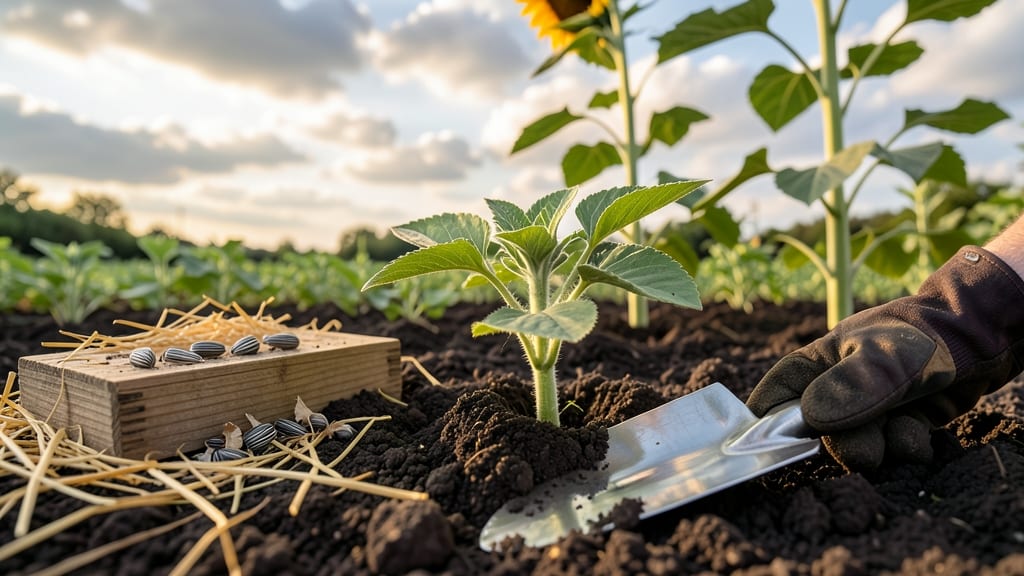
Plant sunflowers in Louisiana from mid-March through early July to give them the 6-8 hours of daily sun they crave before the summer heat peaks 🌻.
Sunflowers thrive in Louisiana’s long, hot summers—but planting them too early or late can mean wilted dreams instead of towering blooms. Timing is everything, and these heat-loving giants need the right window to flourish from seed to sunlit glory.
The key is beating the heat while avoiding frost risks, especially in USDA Zones 8a-9b. Plant too soon, and seedlings may rot; wait too long, and the intense summer sun can stress young plants before they establish roots.
Below, I’ll break down the exact months for your region, the best heat-tolerant varieties, and soil prep tips to ensure your sunflowers reach their full potential—because nothing beats a field of golden blooms against Louisiana’s skyline.
Best planting months for sunflowers in Louisiana: exact dates by region
Louisiana’s climate—hot, humid, and divided into distinct regions—demands precise timing for sunflower success. Planting too early risks frost damage in northern areas, while late planting can trigger heat stress or premature bolting. The key? Align your schedule with USDA Zones 8a–9b and regional microclimates for towering, vibrant blooms.
Northern Louisiana (Zones 7b–8a), including Shreveport and Monroe, has a longer frost window (last frost: March 15–April 1). Central Louisiana (Zones 8a–8b), like Baton Rouge and Lafayette, enjoys milder springs, while southern regions (Zones 9a–9b), such as New Orleans, can plant earlier and later without frost concerns.
Pro Tip: Use soil temperature as your guide—sunflower seeds need 60°F+ soil to germinate. In cooler northern zones, wait until mid-April; in southern zones, February–March works for early varieties.
For northern Louisiana, aim for mid-April to early June—this avoids late frosts while giving plants time to mature before summer’s peak heat.
In central Louisiana, you can start as early as early March for quick-sprouting varieties like 'Teddy Bear,' but hold off until late April for taller types like 'Moulin Rouge' to prevent bolting.
Southern Louisiana gardeners have the luxury of two planting windows: February–March for early blooms and June–July for late-season color. Just beware—planting after mid-July risks heat stress or stunted growth before frost.
Soil prep matters: Sunflowers thrive in well-draining soil with a pH of 6.0–7.5. In Louisiana’s heavy clay soils, amend with compost or sand to improve drainage. Test soil temperature with a soil thermometer—it should stay above 60°F for 7+ days before planting.
If you’re growing sunflowers for cut flowers or seeds, prioritize early spring planting (March–April) to ensure full maturity before fall. For ornamental displays, staggered plantings in March, April, and June create a continuous bloom cycle from summer through early fall.
Watch for bolting—when plants flower too early due to heat stress. To prevent this, provide consistent moisture and avoid planting during 90°F+ stretches. Mulch with straw or wood chips to retain soil moisture and regulate temperature.
Remember: Sunflowers are annuals, so each planting cycle starts fresh. With the right timing, you’ll enjoy 6–14-foot stalks and vibrant blooms that brighten Louisiana’s gardens from summer to autumn.
Heat-tolerant sunflower varieties for Louisiana’s humid climate: top picks for reliable blooms
Louisiana’s sweltering summers and high humidity can challenge sunflowers, but the right varieties thrive here. I’ve tested these heat-resistant options in my Zone 8b garden, and they deliver bold blooms without wilting. The key is choosing drought-tolerant and disease-hardy types that handle 90°F+ temperatures like champs.
For reliable blooms, focus on varieties with thick stems and deep taproots to access moisture. My top picks balance height, color, and adaptability—perfect for Louisiana’s long growing season.
Whether you want cut flowers, bird-friendly seeds, or whimsical garden accents, these sunflowers won’t let you down.
'Autumn Beauty' is my go-to for long-lasting color. This multi-stemmed variety produces golden-yellow blooms that transition to deep reds as they age—perfect for cut arrangements. It matures at 5–7 feet, making it ideal for border plantings or container gardens. I’ve seen it bloom from late summer straight through fall, even after 95°F heatwaves.
'Moulin Rouge' steals the show with its crimson-red petals and black centers, creating a dramatic contrast. This dwarf variety stays under 4 feet, so it’s great for small spaces or urban gardens. It’s also highly resistant to powdery mildew, a common issue in Louisiana’s humid air. Plant it in full sun for the most vibrant blooms.
The 'ProCut Hybrid' is a cut-flower powerhouse, bred for long stems and durability. Reaching 6–8 feet, it’s perfect for bouquets and floral arrangements. What sets it apart is its thick stems and tight petal formation, which hold up well in heat and humidity.
Harvest blooms when 70% open for the longest vase life.
For a whimsical touch, try 'Teddy Bear' sunflowers. These bushy, multi-headed varieties produce golden-yellow blooms that resemble teddy bear faces. They stay compact at 3–4 feet, making them ideal for mixed borders or pollinator gardens.
Their dense foliage also helps suppress weeds—a bonus in Louisiana’s clay-heavy soils.
No matter which variety you choose, mulch heavily to retain moisture and water deeply at the base of the plant. Avoid overhead watering to prevent fungal diseases like rust, which thrives in Louisiana’s sticky heat.
With the right variety and care, your sunflowers will dominate your garden from summer to frost. 🌻