
Flowers
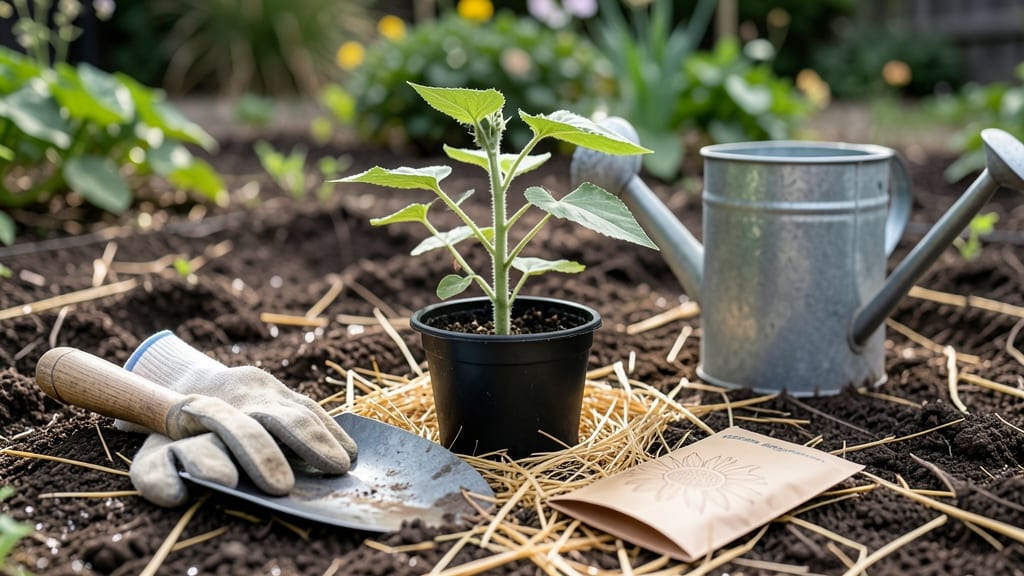
Planting sunflowers in Georgia between mid-March and early July unlocks their full towering potential 🌻—but timing matters more than you’d think for those 10-foot giants.
Picture this: you’ve waited all winter for those golden blooms, only to watch them wilt under Georgia’s brutal summer heat or freeze in a late spring frost.
That’s why knowing the exact window—and how it shifts from North Georgia’s 7b to the warmer 8b zones—is the difference between a stunning sunflower and a sad, stunted plant.
In this guide, I’ll break down the ideal months for each sunflower variety, from dwarf types to the 14-foot monsters, plus how to adjust for Georgia’s unpredictable weather—so you’re planting when the soil is warm enough, the frost has passed, and your blooms have the best shot at reaching the sky.
You’ll leave here knowing not just when to plant, but how to time it perfectly for sunflowers that rival your fence—and maybe even your neighbor’s roof.
Best planting months for Georgia sunflowers by variety height
Georgia’s diverse climate—from the humid Coastal Plain to the cooler Mountain regions—creates perfect conditions for sunflowers, but the right planting window depends on your variety’s mature height.
Dwarf varieties like 'Teddy Bear' (2-4 ft) thrive in early spring, while giant sunflowers like 'Mammoth' (10-14 ft) need late spring starts to avoid heat stress. Let’s break down the ideal planting months for each height category across Georgia’s three microclimates.
First, know your last frost dates: Coastal Georgia averages March 15, Piedmont around March 30, and Mountain regions often see frost into April 15**. Planting too early risks frost damage, while late starts may stunt growth before the first frost.
For tall varieties, heat tolerance becomes critical—some struggle in Georgia’s 90°F+ summer after June.
Key factors to consider: • Variety height (dwarf, medium, giant) • Regional frost dates (Coastal vs. Mountain) • Heat tolerance for tall sunflowers • Soil warmth (wait until 50°F+)
| Variety Height | Coastal Georgia | Piedmont Georgia | Mountain Georgia | Heat Notes |
|---|---|---|---|---|
| Dwarf (2-4 ft) | Feb 20 - Apr 15 | Mar 1 - Apr 10 | Mar 15 - Apr 30 | Low heat stress; can handle summer |
| Medium (4-8 ft) | Mar 1 - May 1 | Mar 15 - May 15 | Apr 1 - Jun 1 | Moderate; plant before June heat peaks |
| Giant (8-14 ft) | Apr 1 - Jun 15 | Apr 15 - Jun 10 | May 1 - Jul 1 | High heat risk; use shade cloth if planting after June |
*Plant after soil reaches 50°F+ and frost risk has passed
For Coastal Georgia, where summers arrive early, prioritize early spring plantings (February-March) for dwarf varieties. The longer growing season lets you squeeze in giant sunflowers until mid-June, but watch for humidity-related diseases.
In the Piedmont, where temperatures moderate later, you’ve got a 3-week window longer for medium varieties compared to Coastal areas.
Mountain gardeners face the biggest challenges: cooler soils delay planting until mid-April, and the shorter growing season means giant sunflowers must be started by early May to avoid frost. Use black plastic mulch to warm soil faster in these regions. Pro tip: 'Autumn Beauty' (medium height) is a heat-tolerant choice for Mountain areas planted in June.
If you’re growing giant sunflowers like 'Russian Giant' (12-14 ft), avoid planting after June 15 in most of Georgia. These varieties need consistent moisture and cool nights to reach their full height. For Coastal areas, consider succession planting in July for a fall harvest before the first frost.
One common mistake? Planting giant sunflowers too late and expecting them to outgrow heat stress. Instead, choose heat-tolerant varieties like 'ProCutor' (8 ft) or 'Sunspot' (3-5 ft) for summer plantings. These thrive in 90°F+ temperatures and produce bolder blooms under stress.
For container growing, adjust timing by 2-3 weeks earlier—pots warm faster. Place containers in full sun and use self-watering systems to prevent drought stress. Dwarf varieties like 'Moulin Rouge' are perfect for balconies and patio gardens, with planting windows matching Coastal Georgia’s schedule.
Remember: Sunflowers love space. Giant varieties need 6+ feet between plants, while dwarfs can crowd closer. In small gardens, opt for medium-height varieties like 'Lemon Queen' (6-8 ft) for vertical interest without overwhelming space.
Finally, mark your calendar for Georgia’s first frost (typically mid-November) and plan to harvest giant sunflowers by October 15 in Mountain regions. Coastal areas can extend harvests until November 1** if frost arrives late. Save seeds from your tallest blooms for next year’s showstopper sunflowers!
How to adjust planting dates for Georgia’s unpredictable weather patterns
Georgia’s microclimates and unpredictable frost dates can turn your sunflower dreams into stunted disappointments if you’re not prepared. While March through May are ideal for most regions, late frosts in the Piedmont or early heatwaves in South Georgia demand flexibility.
The key is adapting your planting timeline to match real-time conditions rather than relying on averages.
Start by checking soil temperatures—sunflowers thrive when the ground reaches at least 50°F. Use a soil thermometer to confirm readiness, especially in North Georgia’s cooler zones.
If temperatures dip below this threshold, delay planting until conditions stabilize. This simple step can mean the difference between 3-foot sunflowers and 12-foot giants.
For early heatwave protection, consider a backup planting schedule. If temperatures exceed 90°F before your sunflowers reach 2 feet tall, their roots may struggle to establish. In this case, sow a second batch in early July for a fall harvest.
This strategy works especially well in South Georgia’s hotter zones, where summer heat can stress young plants.
Mulching is your secret weapon against Georgia’s drought-prone summers. Apply 2-3 inches of organic mulch (straw or shredded leaves) around your sunflowers to retain moisture and regulate soil temperature. This technique reduces watering needs by 30-50% while also suppressing weeds—critical for tall varieties that cast deep shade.
Don’t overlook container gardening as a flexibility tool. If your yard’s soil is too sandy or clay-heavy, grow sunflowers in 5-gallon pots filled with well-draining mix. You can move containers to shadier spots during heatwaves or sheltered areas before predicted storms, giving you full control over growing conditions.
Finally, monitor local weather forecasts and adjust your timeline accordingly. If a cold snap is predicted in late April, delay planting until after the threat passes.
For tall sunflowers, this might mean pushing back to early May—better a slightly later start than risking frost damage to your 10-foot giants. With these strategies, you’ll turn Georgia’s unpredictable weather into an advantage for show-stopping sunflowers. 🌻