
Flowers
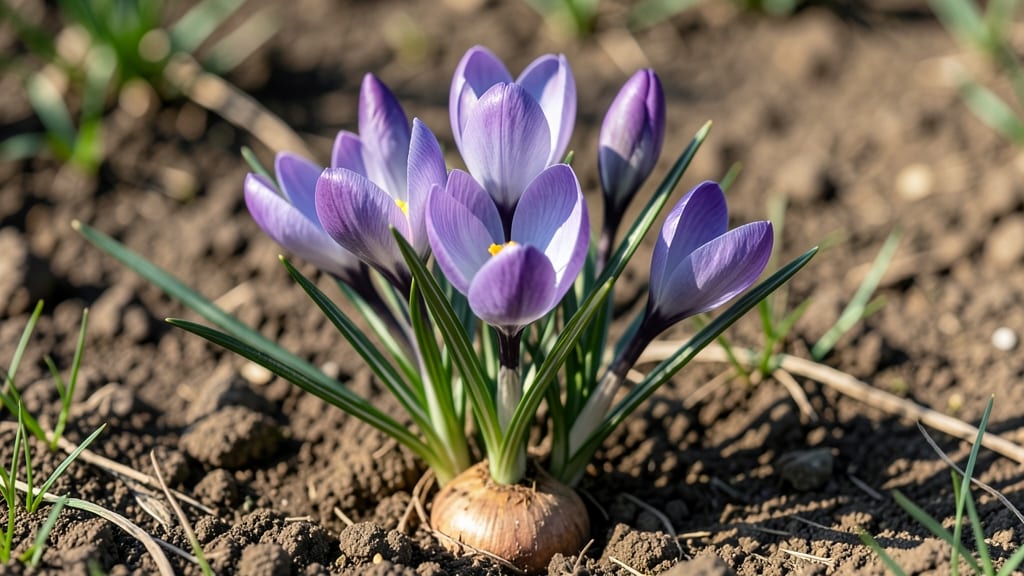
Crocus flowers bloom as early as late winter in the South and stretch into March or April in colder zones, offering the first burst of color when gardens feel dormant.
If you crave the first splash of spring color, crocus flowers are nature’s way of signaling the season’s arrival—but their bloom times vary wildly across the U.S. Knowing exactly when to expect these cheerful blooms can mean the difference between a thrilling surprise and a missed opportunity.
For gardeners in Zone 6a, like me, the show typically starts in February with hardy varieties, while later bloomers like Crocus tommasinianus may wait until March. Warmer microclimates can push blooms even earlier, while colder springs may delay them by weeks.
Below, I break down month-by-month bloom windows by zone, the 5 key factors that shift timing, and how to plan your garden for a longer display—no matter where you live.
Crocus bloom times by USDA hardiness zone: a month-by-month guide
Crocus flowers are the unsung heroes of early spring, often popping up through snow to announce warmer days ahead. But their bloom times vary dramatically depending on your USDA hardiness zone and the specific crocus variety you’ve planted.
In colder zones like Zone 3, you might see them as early as late February, while in milder Zone 10, blooms can stretch into March or even April. Understanding these patterns helps you plan for the first bursts of color in your garden.
The key to predicting crocus blooms lies in two factors: chilling requirements (how many cold weeks the bulbs need) and local microclimates (like urban heat islands or sheltered spots).
Early bloomers like Crocus vernus (Dutch crocus) thrive in Zones 3-8 and often emerge in February or March, while late varieties like Crocus tommasinianus (tommasini crocus) may wait until March or April, especially in warmer zones. Let’s break it down by zone for precise timing.
| USDA Zone | Early Bloomers (Feb-Mar) | Late Bloomers (Mar-Apr) | Notes |
|---|---|---|---|
| 3-4 | Late Feb - Early Mar | Mid Mar - Early Apr | Snow cover delays blooms; plant Crocus chrysanthus for earliest color. |
| 5-6 | Mid Feb - Late Mar | Late Mar - Mid Apr | Crocus vernus and Crocus tommasinianus are reliable choices. |
| 7-8 | Early Feb - Early Apr | Mid Mar - Late Apr | Warmer winters may push blooms later; use Crocus laevigatus for extended season. |
| 9-10 | Late Feb - Mid Mar | Early Mar - Early May | Mild winters mean staggered blooms; plant Crocus speciosus for late-season color. |
In Zones 3-4, where winters are harsh, crocus bulbs need a long chilling period (often 12-16 weeks below 40°F) to trigger blooms. This means they’ll often emerge as soon as the ground thaws in late February or early March.
If you’re in Zone 5 or 6, expect a broader window from mid-February to late March, depending on whether you’ve planted early varieties like Crocus chrysanthus or later ones like Crocus tommasinianus.
Gardeners in Zones 7-8 might see crocus blooms as early as February, but warmer microclimates (like near buildings or in containers) can delay them until March or April.
For example, Crocus laevigatus (white crocus) often blooms later in these zones, making it a great choice for extending your spring display.
In Zones 9-10, where winters are mild, crocus blooms can stretch from February through May, with some varieties like Crocus speciosus (spring crocus) thriving in these conditions.
If you’re in a warmer microclimate—like a city with heat islands or a south-facing slope—your crocus may bloom 2-4 weeks later than the zone average. To adjust, plant bulbs in shadier spots or choose varieties with higher chilling requirements, like Crocus vernus.
Conversely, in colder microclimates (like shaded or windy areas), bulbs may need extra protection to bloom on time.
For gardeners eager to see crocus blooms earlier, consider planting bulbs in containers and moving them to a protected location (like a garage or basement) during winter. This mimics the chilling requirements they need while allowing you to bring them outdoors as soon as the ground is workable.
Another trick is to plant multiple varieties with staggered bloom times to create a continuous display from February through April.
After crocus flowers fade, resist the urge to remove the foliage immediately. The leaves need 4-6 weeks to photosynthesize and store energy for next year’s blooms. You can lightly trim them once they turn brown, but leave most of the foliage until it yellows naturally.
This simple step ensures your crocus will return year after year with vibrant, timely blooms.
To maximize your crocus blooms, plant bulbs in well-draining soil with full sun to partial shade. Amend heavy clay soil with compost or sand to prevent rot, and avoid overwatering once established.
With the right variety and timing, you’ll enjoy these cheerful harbingers of spring for weeks—no matter your zone.
🌷
How to predict your crocus bloom date: 5 key factors beyond the zone map
While USDA hardiness zones give a general idea of crocus bloom timing, your actual bloom date depends on factors beyond climate alone. I’ve planted crocus in Zone 6a for years, and I’ve learned these 5 key variables can shift bloom times by 2-4 weeks—sometimes even earlier!
Understanding them lets you fine-tune expectations and plan for that first splash of purple, white, or yellow.
Most gardeners focus on frost dates and zone maps, but crocus bulbs are sensitive to soil temperature, sunlight exposure, and even planting depth.
For example, my Crocus vernus bloomed 10 days earlier last year after I adjusted their planting depth and moved them to a sunnier spot. Here’s how to predict your bloom date with precision:
Crocus bulbs need 40-50°F soil temps to break dormancy. Use a soil thermometer—if temps hover around 45°F for 3+ weeks, blooms will follow within 2-3 weeks.
6+ hours of direct sun triggers earlier blooms. My shady crocus bloomed 2 weeks later than those in full sun. South-facing beds are ideal for Zone 4-7 gardeners.
Plant bulbs 3-4 inches deep for optimal blooms. Deeper planting (5+ inches) delays blooms by 1-2 weeks, while shallower (2 inches) risks frost damage.
Most crocus need 8-12 weeks of 40°F or below. If your winter is mild (e.g., Zone 8-9), plant early fall to ensure sufficient chilling. I’ve seen Crocus tommasinianus bloom 3 weeks later in warm winters.
Use your last frost date as a backward count: most crocus bloom 4-6 weeks after soil temps stabilize above 50°F. For example, if your last frost is March 15, expect blooms by late March to early April.
To extend your crocus season, try successive planting. Plant 1/3 of your bulbs in early fall, another 1/3 in late fall, and the final 1/3 in early winter.
This staggering creates 3-4 weeks of continuous bloomsZone 6a garden to enjoy crocus from late February to early April.
Pro tip: Mark your bloom dates each year to spot patterns. Over time, you’ll notice how local microclimates (like a sunny hillside vs. a shady valley) affect timing.
In my experience, white crocus varieties like Crocus albiflorus often bloom earlier than purple types—so prioritize those for the first spring color.
Remember, crocus are drought-tolerant once established, so overwatering can delay blooms. Once buds appear, reduce watering to once every 2 weeks unless your region is unusually dry.
With these factors in mind, you’ll go from guessing to predicting bloom dates like a pro—and that first glimpse of crocus peeking through the snow is worth the effort! 🌷