
Planting
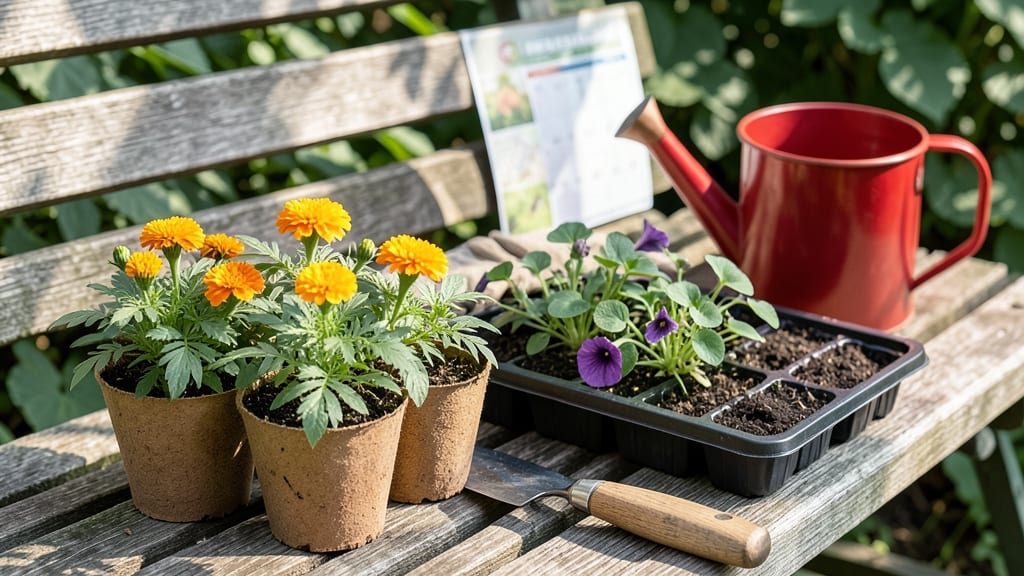
You can plant flowers outside after your area’s last frost date, when the soil warms to at least 60°F and nighttime temperatures stay above 50°F.
Timing is everything in gardening—plant your flowers too early, and frost will kill them; too late, and they’ll struggle to bloom. Knowing your USDA zone’s frost-free dates ensures vibrant, thriving flowers all season long.
For Zone 6a, like much of the Midwest, that means waiting until mid-April at the earliest, though late May is safer for heat-loving varieties like zinnias. In warmer zones, you might start as early as February, while cooler climates may need to wait until June.
Below, I’ll break down the best planting windows for your region, whether you’re growing annuals, perennials, or bulbs, plus tips to extend your season without risking frost damage.
USDA zone frost-free dates: when to plant flowers outside safely
Timing is everything in gardening—plant your flowers too early, and frost will kill them; too late, and they’ll struggle to bloom. Knowing your USDA zone’s frost-free dates ensures vibrant, thriving flowers all season long.
These dates mark the safest window to plant annuals, perennials, and bulbs without risking damage from late frosts. Let’s break down the frost-free windows by zone so you can plan your garden with confidence.
Your USDA zone determines when to plant, but regional microclimates can shift dates by weeks. For example, coastal areas may have later frosts than inland regions in the same zone. Always check local weather forecasts for 3-5 days before your target planting date to confirm frost risk.
I recommend using the National Weather Service or Almanac for real-time updates tailored to your location.
Here’s a quick reference for average last frost dates across USDA zones 3–11, including early, mid, and late-season planting guidelines for different flower types. Use this as your roadmap to avoid frost damage while maximizing bloom time.
| USDA Zone | Avg. Last Frost | Early Planting (Cold-Hardy) | Mid-Season Planting | Late Planting (Heat-Lovers) |
|---|---|---|---|---|
| Zone 3 | May 10–20 | Pansies, Snapdragons (March 15–April 15) | Petunias, Marigolds (May 20–June 10) | Zinnias, Sunflowers (June 15–July 15) |
| Zone 4 | April 25–May 10 | Violas, Sweet Alyssum (March 1–April 1) | Geraniums, Dahlias (May 10–May 30) | Cosmos, Black-Eyed Susans (June 1–June 20) |
| Zone 5 | April 15–April 30 | Calendula, Stock (Feb 28–March 15) | Impatiens, Begonias (April 30–May 15) | Portulaca, Lantana (June 10–July 1) |
| Zone 6 | April 1–April 15 | Primrose, Larkspur (Feb 15–March 1) | Coleus, Salvia (April 15–May 1) | Gomphrena, Celosia (June 1–June 10) |
| Zone 7 | March 15–March 31 | Sweet Peas, Foxglove (Jan 15–Feb 1) | Vinca, Verbena (March 15–April 1) | Amaranth, Celosia (May 15–June 1) |
| Zone 8 | February 15–March 1 | Dianthus, Stock (Dec 1–Jan 15) | Zinnias, Marigolds (Feb 15–March 15) | Sunflowers, Dahlias (April 15–May 1) |
| Zone 9 | January 15–February 1 | Sweet Alyssum, Lobelia (Nov 1–Dec 15) | Petunias, Geraniums (Jan 15–Feb 15) | Portulaca, Vinca (March 1–March 15) |
| Zone 10 | December 15–January 1 | Pansies, Snapdragons (Oct 1–Nov 15) | Zinnias, Sunflowers (Dec 1–Jan 15) | Marigolds, Coleus (Jan 15–Feb 1) |
| Zone 11 | Year-round (no frost) | All flowers (plant anytime) | Succession planting monthly | Tropicals (e.g., Hibiscus, Plumeria) |
*Dates vary by 1
Selecting the right flowers for your climate zone and season ensures a long-lasting, vibrant garden. Cool-weather varieties thrive in early spring and fall, while warm-weather flowers shine in summer’s heat. Let’s break down the best options for each season and how to time your plantings for success. For cool-season planting (early spring and fall), focus on hardy annuals like pansies, snapdragons, and sweet alyssum. These flowers tolerate light frosts and even bloom in cooler temperatures. In contrast, warm-season favorites such as marigolds, zinnias, and sunflowers need consistent warmth to thrive and should only be planted after your last frost date. Pro tip: Check your USDA zone’s frost dates—most garden centers provide local planting calendars. For example, in Zone 6, pansies can go in by March 15, while zinnias wait until May 10. Adjust for microclimates (e.g., urban areas may be 2-3°F warmer than rural zones). For containers, warm-season flowers like petunias and geraniums need extra care—use heat-tolerant potting mix and water deeply twice daily in summer. Cool-season flowers in pots benefit from mulch to insulate roots from temperature swings. Don’t overlook perennials like coneflowers and black-eyed Susans—they establish roots in spring but bloom best in summer. Plant them in early spring for a low-maintenance garden that thrives for years. Experiment with succession planting: Sow fast-growing annuals like bachelor’s buttons every 2 weeks in summer to keep your garden bursting with color until frost. This technique works especially well in Zones 7-10, where summers are long and hot.Best flowers to plant by season: cool vs. warm weather varieties