
Flowers
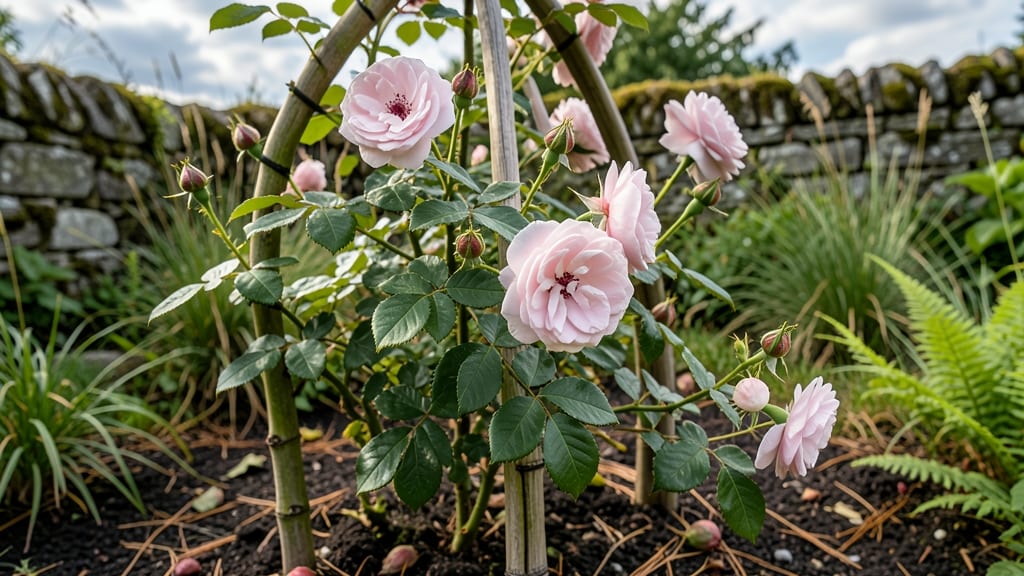
Climbing roses flower at different times depending on the variety, with some bursting into bloom as early as late spring and others stretching into fall 🌹 — and a few even rewarding you with year-round color.
If you’ve ever wondered why your climbing roses seem to bloom at different times—or how to enjoy vibrant flowers from spring to frost—understanding their flowering cycles is key.
Some varieties, like the classic 'New Dawn', bloom in early spring and keep going through summer, while others, such as 'Blaze', deliver bold colors well into fall.
In this guide, I’ll break down the bloom seasons by variety, share tips to extend flowering with pruning and care, and highlight the top repeat-blooming roses for continuous color.
Climbing rose bloom seasons by variety: spring, summer, OR year-round?
Climbing roses are among the most romantic plants in any garden, but their flowering seasons can vary dramatically depending on the variety and climate zone. Some burst into bloom in early spring like 'Zephirine Drouhin,' while others like 'New Dawn' shine brightest in summer months.
A few modern varieties even deliver year-round color with proper care. Understanding these cycles helps you choose roses that align with your seasonal preferences and local growing conditions.
Not all roses follow the same schedule—some are once-blooming (spring only), while repeat-flowering types reward you with multiple flushes. The pruning approach you use can also shift bloom timing. For example, heavy pruning in late winter encourages summer blooms, while lighter cuts may preserve early spring flowers.
Let’s break down the key categories so you can plan your garden’s floral highlights all year.
The early spring bloomers, like 'Zephirine Drouhin,' are often once-blooming varieties that rely on old wood to produce their stunning pink flowers. These roses are perfect if you love a burst of color when other plants are still waking up.
However, they require minimal pruning—cutting back too much can reduce next year’s blooms. For gardeners in cooler climates (zones 5-7), these varieties are ideal because they bloom before pests become active.
For those who crave summer-long color, varieties like 'New Dawn' and 'Blaze' are game-changers. These repeat-flowering roses produce continuous blooms from June through October with proper care. 'Blaze,' in particular, is a heat-tolerant variety that thrives in southern climates (zones 8-10).
To maximize their performance, hard prune them in late winter and deadhead spent blooms regularly. This encourages new growth and prolongs the flowering season.
If you dream of a garden that stays vibrant year-round, consider modern hybrid varieties like 'The Fairy' or 'Don Juan.' These roses are bred to produce multiple flushes of blooms, even in mild winters.
In USDA zones 7-10, they can continue flowering into late fall—or even overwinter with minimal frost damage. The key is to mulch heavily in fall and avoid heavy pruning until spring. This preserves the canes that hold next year’s buds.
Your local climate zone plays a huge role in bloom timing. In northern regions (zones 4-6), spring-blooming varieties may be your best bet, while southern gardeners (zones 8-10) can enjoy roses blooming in every season.
For example, 'New Dawn' might bloom in May-July in zone 5 but extend to September in zone 9. Always check a variety’s USDA zone rating before planting to ensure it matches your area’s frost dates.
Pruning is another game-changer for controlling bloom seasons. Spring-blooming roses should be pruned lightly in late winter to avoid cutting off next year’s flower buds. In contrast, repeat-flowering varieties benefit from hard pruning in late winter to stimulate new growth and summer blooms.
For varieties like 'Blaze,' deadheading (removing spent blooms) extends the season by encouraging the plant to produce more flowers. Always use
How to extend climbing rose blooms: pruning and care tips for longer flowers
Want your climbing roses to burst with color from spring to frost? The secret lies in smart pruning and consistent care. Unlike once-blooming varieties, repeat-flowering climbers like 'Climbing Iceberg' and 'The Fairy' can reward you with continuous blooms if you follow a few key strategies.
Let’s dive into how to maximize those show-stopping flowers all season long.
Most climbing roses produce their first flush of blooms in late spring (May-June), but with the right techniques, you can encourage repeat flowering throughout summer and even into fall. The key is understanding when and how to prune, along with proper deadheading and nutrient management.
Let’s break it down step by step to keep your roses in peak bloom.
When Do Climbing Roses Flower?
- 🌸 Early Spring: Varieties like 'Zephirine Drouhin' bloom in April-May with minimal care.
- ☀️ Summer Peak: Most repeat-flowering climbers (e.g., 'New Dawn') bloom June-August.
- 🍂 Late Season: 'Blaze' and 'The Fairy' extend blooms into September-October.
- ❄️ Year-Round (Mild Climates): With winter protection, some varieties (e.g., 'Rambling Rector') can bloom intermittently all year.
To extend your climbing roses’ blooms, start with seasonal pruning. Prune in late winter/early spring (just before new growth starts) to remove dead or weak canes and shape the plant.
This encourages stronger, healthier growth that will produce more blooms. For repeat-flowering varieties, a light pruning in summer (after the first flush of flowers) can stimulate another round of blooms.
Never skip deadheading—this is the #1 trick for prolonging blooms! As soon as a flower fades, snip off the spent bloom along with the small leaf cluster directly below it. This redirects the plant’s energy from seed production to growing new buds.
Use clean, sharp pruners and make cuts at a 45-degree angle just above an outward-facing bud to encourage bushier growth.
Feed your climbing roses with a balanced fertilizer (like 10-10-10) every 4-6 weeks during the growing season. In early spring, add compost or organic matter to enrich the soil, and in summer, use a high-phosphorus fertilizer to boost flowering.
Avoid heavy fertilizing in fall or winter, as it can stimulate tender growth that won’t survive frost.
Water deeply and consistently—1-2 inches per week—especially during bud formation and hot summer months. Mulch around the base with organic mulch (like shredded bark) to retain moisture and regulate soil temperature.
This helps reduce stress on the plant, which in turn leads to longer-lasting blooms. Avoid overhead watering in the evening to prevent fungal diseases like black spot.
With these tips, your climbing roses will reward you with vibrant, long-lasting blooms from spring through fall. The key is staying proactive with pruning, deadheading, and feeding—your roses will thank you with a gorgeous, continuous display all season long! 🌹