
Flowers
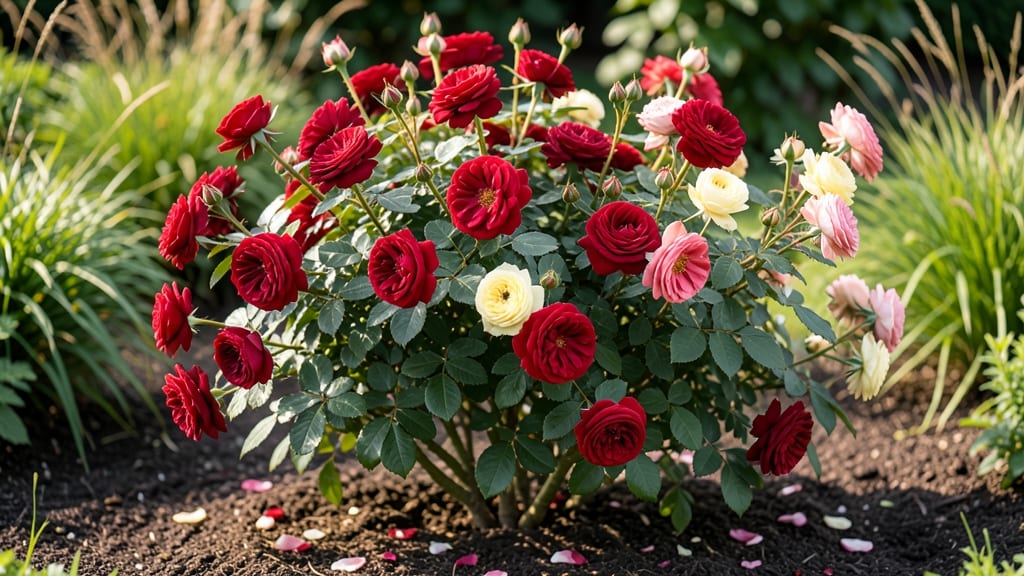
The flowering season of rose 🌹 varies dramatically depending on the variety and your climate zone, but with the right care, you can coax blooms almost year-round.
Did you know that with the right pruning strategy, your roses can bloom continuously—even in off-seasons? Mastering the flowering season of rose isn’t just about timing; it’s about strategic pruning to maximize blooms year-round.
Hybrid teas and floribundas typically burst into color in late spring, while climbers and shrub roses may linger into early fall. But here’s the catch: repeat-blooming varieties can be tricked into a second flush with proper care, while once-blooming roses need a different approach entirely.
Below, I’ll break down the best pruning calendar for your zone, how to extend blooms into summer, and the 5 pruning mistakes that kill roses before they even start. Let’s get those buds popping!
Understanding rose flowering seasons by variety and climate zones
Roses are nature's showstoppers, but their flowering season of rose varies dramatically depending on the variety and your USDA hardiness zone. Whether you're growing hybrid teas for dramatic blooms or climbing roses for vertical gardens, knowing when—and how—to prune can transform your garden into a year-round floral masterpiece.
Let's break down how climate zones and rose types shape bloom timing.
First, recognize that roses generally fall into two bloom categories: once-blooming (like Alba roses) and repeat-flowering (such as Floribundas or Grandifloras). Once-bloomers typically flower in spring or early summer and then rest, while repeat-flowerers can produce blooms in multiple seasons with proper care.
Your USDA zone further refines this timeline—colder zones may delay blooms, while warmer zones can extend them.
| Rose Type | Primary Bloom Season | Repeat Blooms? | USDA Zones | Pruning Time |
|---|---|---|---|---|
| Hybrid Tea | Late Spring to Summer | Yes (with care) | 4-10 | Late Winter/Early Spring |
| Floribunda | Spring to Fall | Yes | 5-10 | Early Spring & After Each Bloom |
| Climbing Roses | Late Spring to Summer | Some Varieties | 5-9 | Late Winter (Light Prune) |
| Shrub Roses | Spring to Fall | Yes | 3-10 | Late Winter or Early Spring |
| English Roses | Spring to Fall (Peak Summer) | Yes | 4-9 | Late Winter (Heavy Prune) |
In USDA zones 3-5, where winters are harsh, most roses enter dormancy and bloom later in the season. For example, hybrid teas in zone 4 may not open until June or July after a long winter.
Meanwhile, in zones 8-10, milder winters allow roses to bloom earlier—sometimes as early as March or April. This means Floribundas in zone 9 can produce continuous blooms from spring through fall with minimal intervention.
For repeat-flowering roses, the key to extending their flowering season of rose lies in deadheading—removing spent blooms to encourage new growth.
In zones 6-7, where summers are hot but winters mild, I recommend deadheading Floribundas every 2-3 weeks to trigger a second flush of blooms in late summer or early fall. This technique works best when combined with regular fertilization (every 4-6 weeks) and deep watering
Step-by-step pruning calendar to extend rose blooms all year
Transforming your roses into year-round bloomers starts with understanding their flowering season of rose and aligning pruning with their natural cycles. Most roses bloom in spring and summer, but with strategic cuts, you can coax late-season blooms into fall and even early winter—especially in warmer climates.
The key is timing: prune too early, and you risk stunted growth; wait too long, and you lose potential blooms.
Your pruning calendar should account for three bloom types: early (spring), mid (summer), and late (fall). Each requires different attention. For example, hybrid teas bloom once in spring, while floribundas produce clusters all season.
Climbers and shrub roses often have their own unique schedules. By following this month-by-month guide, you’ll extend your flowering season of rose by up to 4-6 weeks.
📅 Monthly Pruning & Care Guide
- January-February: Dormant season. Inspect for dead wood and remove it. Apply mulch (3-4 inches) to protect roots. Avoid pruning—wait for buds to swell.
- March: Light pruning for early bloomers. Cut back 1/3 of last year’s growth to encourage new shoots. Fertilize with balanced 10-10-10 as buds break.
- April: Shape bushes after first blooms fade. Remove spent blooms down to the first 5-leaflet stem. Apply compost tea for root health.
- May-June: Deadhead weekly to prolong blooms. Prune crossing branches to improve airflow. Feed with low-nitrogen fertilizer (e.g., 5-10-10) to boost flowers.
- July-August: Late-season prep. Cut back overgrown canes by 1/2 to stimulate fall blooms. Watch for Japanese beetles—use neem oil if needed.
- September: Final pruning for fall bloomers. Remove weak growth and thin crowded stems. Apply bone meal to strengthen roots for winter.
- October-November: Minimal cuts. Trim only damaged canes. Increase mulch depth to 6 inches for insulation.
- December: Winterize. Wrap tender roses with burlap. Prune only if ice damage occurs—never in freezing temps.
Pro tip: Use sharp, sterilized shears to make clean cuts at 45 degrees, 1/4 inch above a bud eye. This prevents disease and directs growth where you want it.
For repeat-flowering roses, like Knock Out® roses, prune lightly every 6-8 weeks to keep them bushy and blooming.
Don’t forget to water deeply after pruning—this helps roses recover faster. In USDA zones 8-10, you can extend blooms into December by pruning lightly in late fall and fertilizing with low-phosphorus food (e.g., 7-3-3). Just avoid heavy pruning after October 1st in colder zones.
By following this calendar, your roses will reward you with longer, more abundant blooms—and who doesn’t love a garden bursting with color year-round? Start with just one variety this season to perfect your timing, then expand next year. Happy pruning! 🌹