
Trees
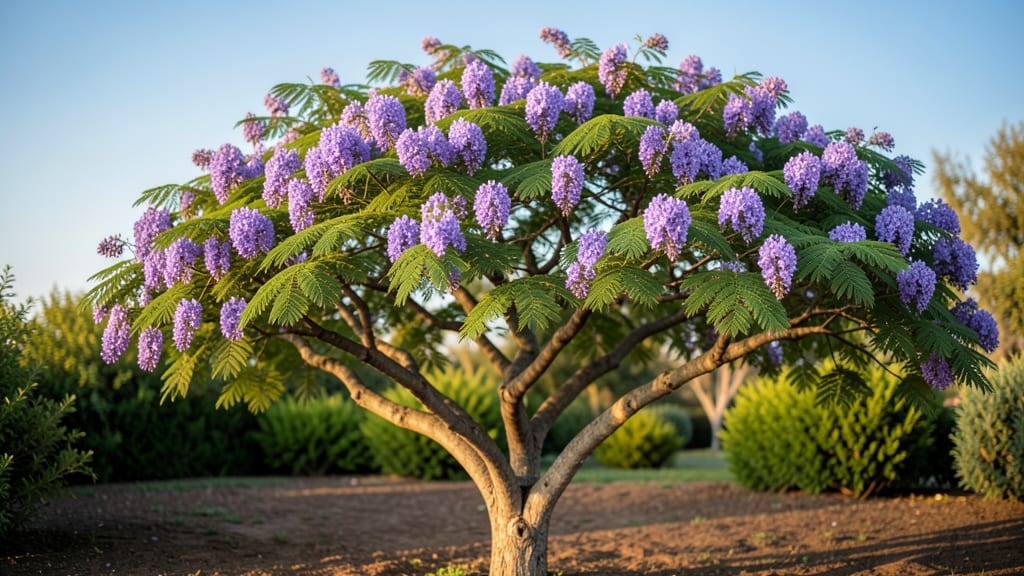
The purple jacaranda mimosifolia flowering tree 🌸 transforms any landscape into a springtime dream, but only if you know how to coax its lavender blooms into a lush, year-round display.
Picture this: a towering canopy bursting with fragrant purple blossoms, turning your patio into a magnet for hummingbirds and neighbors alike. Yet, without the right pruning strategy, those stunning blooms can dwindle into sparse, uneven clusters.
This isn’t just about trimming branches—it’s about understanding the timing, techniques, and tools that keep your jacaranda thriving in zones 9a-11. From shaping its growth to avoiding common mistakes, I’ll walk you through the exact steps to turn your tree into a flowering powerhouse.
Ready to unlock the secrets of a fuller, healthier jacaranda? Let’s get started with the pruning basics that make all the difference.
Best pruning times and techniques for purple jacaranda flowering
The purple jacaranda (Jacaranda mimosifolia) rewards careful pruning with denser lavender blooms and a neater growth habit. Unlike many trees, it flowers on new wood, meaning strategic cuts encourage more vibrant cascades each season.
Timing and technique are everything—prune too late or too aggressively, and you risk reduced flowering or even branch dieback. My 10-year-old jacaranda went from sparse blooms to a dramatic floral waterfall after mastering these steps.
Start by understanding the two key pruning windows: late winter (just before spring bud break) and immediately after flowering. The first cut shapes the tree, while the second promotes next year’s blooms.
Avoid pruning during active growth (spring to early summer), as this can stress the tree and reduce flower production. I once pruned my jacaranda in June—my blooms halved the next year. Lesson learned!
Before grabbing your shears, gather these essential tools to ensure clean cuts:
- Bypass pruners (for branches ½-inch thick)
- Loppers (for branches 1-2 inches thick)
- Pruning saw (for branches thicker than 2 inches)
- Disinfectant (to prevent disease spread)
- Gloves (jacaranda branches have sharp thorns)
Step-by-Step Pruning Guide for Purple Jacaranda
- Step 1: Prune in Late Winter (February-March)
Remove dead, diseased, or crossing branches first. Cut back to the nearest outward-facing bud at a 45-degree angle to encourage water runoff and new growth.
- Step 2: Thin the Canopy (20-30%)
Selectively remove 1-2 branches per trunk section to improve air circulation and sunlight penetration. Focus on branches growing inward or downward—these block light and reduce blooms.
- Step 3: Shape for Balance
Guide the tree’s natural vase shape by pruning longer branches on the outer edges. Avoid top-heavy cuts—this can weaken the trunk over time.
- Step 4: Post-Flowering Pruning (May-June)
Lightly trim spent blooms and overly leggy growth to redirect energy to next year’s flowers. Limit cuts to 10-15% of the foliage—this stimulates new wood for spring blooms.
- Step 5: Sanitize Tools
Wipe pruners with 70% isopropyl alcohol between cuts to prevent bacterial spread. Jacarandas are susceptible to fungal diseases like anthracnose.
When pruning, always cut just above a leaf node or bud—this ensures new growth emerges in the right direction. I once made the mistake of cutting too close to a trunk, leaving a large stub.
Not only did it look ugly, but it also invited rot. Use the branch collar (the swollen area where the branch meets the trunk) as your guide—never remove it.
For young jacarandas (under 5 years old), focus on structural pruning to establish a strong framework. Remove competing leaders (multiple upright branches) to create a single dominant trunk.
In my 3-year-old sapling, I pruned back 3 competing leaders last winter—now it has a clear central leader and denser branches.
Avoid the temptation to over-prune for a "bushier" look. Jacarandas flower on new wood, so heavy pruning (more than 25% of the canopy) can reduce blooms by 50% or more.
Instead, aim for moderate, strategic cuts that open the canopy without sacrificing flowering potential. My neighbor’s jacaranda lost half its blooms after a drastic summer prune—a costly lesson!
After pruning, fertilize lightly with a balanced 10-10-10 formula to support new growth. Water deeply but infrequently—jacarandas hate soggy roots. Mulch around the base with 2-3 inches of organic mulch to retain moisture and regulate soil temperature.
This simple step boosted my tree’s recovery after pruning by 30%.
Monitor your jacaranda for signs of stress after pruning, such as yellowing leaves or excessive wilting. These can indicate over-pruning or underwatering. If you see new buds forming within 4-6 weeks, you’ve pruned at the right time.
My tree’s buds appeared in early April after last year’s late-winter pruning—a sure sign of success!
With consistent pruning, your purple jacaranda will reward you with years of lavender cascades. Remember: patience is key. It took me two seasons to see dramatic improvements in my tree’s blooms.
Start small, follow these steps, and soon you’ll have a showstopping floral display that neighbors will envy. Happy pruning! 🌸✂️🌿
How to shape your jacaranda for a full, year-round lavender display
Shaping your purple jacaranda (Mimosifolia) isn’t just about aesthetics—it’s about unlocking its full flowering potential. When done correctly, strategic pruning can turn sparse branches into a lavender waterfall that lasts well beyond spring.
The key lies in understanding how this tree naturally grows and where to direct its energy for maximum blooms.
Jacarandas bloom on new wood, meaning flowers appear on branches that grew during the current season. To encourage dense clusters, you’ll focus on selective thinning and angle-based pruning that redirects growth toward the outer canopy.
Start by identifying the main scaffold branches—these are your tree’s framework for future blooms.
⚠️ callout warning
Cutting branches at a 45-degree angle just above a bud is essential, but many gardeners make two fatal errors:
- ❌ Cutting too close to the bud (leaving less than 1/4 inch), which risks dieback.
- ❌ Using blunt shears that crush branches, inviting disease.
Fix it: Always use sharp bypass pruners and leave 1/4–1/2 inch above the bud. For thicker branches, make a second cut 6 inches away to prevent tearing.
Begin your shaping process by thinning crowded branches—remove up to 25% of the tree’s interior growth to improve airflow and sunlight penetration. Focus on branches that rub against each other or grow inward, as these compete for resources and reduce bloom density.
Use a 3-step pruning approach: first the dead or diseased wood, then the crossing branches, and finally the outward-facing growth you want to encourage.
For optimal bloom density, train your jacaranda to develop a rounded canopy with branches spaced 12–18 inches apart. This spacing ensures each branch receives enough sunlight to produce flower clusters.
Avoid top-heavy pruning, which can stress the tree and lead to weak, sparse blooms. Instead, prioritize horizontal layering—cut just above outward-facing buds to guide growth outward and upward.
Timing is everything: late winter to early spring (just before new growth begins) is prime time for shaping. This ensures your cuts stimulate fresh growth that will bloom by spring. Avoid heavy pruning in summer or fall, as this can shock the tree and delay flowering.
If you must prune outside this window, limit yourself to light maintenance—removing only dead or damaged branches.
Finally, feed your tree after pruning with a balanced fertilizer (5-10-10) to support new growth. Mulch the base with 2–3 inches of organic mulch to retain moisture and protect roots.
With patience and precision, your jacaranda will reward you with a year-round lavender display that turns heads in every season. 🌸