
Vegetables
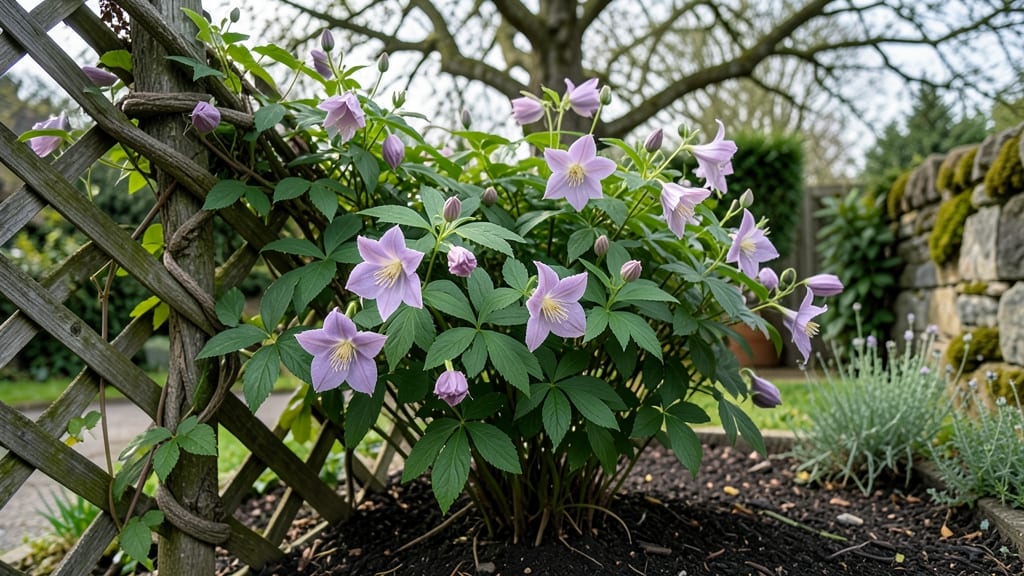
Growing early large-flowered clematis like 'Jackmanii' means bold, repeat blooms from spring through fall—if you prune them right. 🌸 I’ve watched these vines transform bare walls into cascading floral displays, but only after learning the exact timing and cuts that make the difference between a few early flowers and a season-long show.
The secret starts with sunlight: these clematis thrive in morning sun and afternoon shade, especially in hotter climates. Plant them near a fence or trellis where roots stay cool while the flowers bask in gentle light.
Well-draining soil with compost mixed in is non-negotiable—waterlogged roots spell disaster for these thirsty but not soggy plants. Pruning feels intimidating, but mastering it turns these vines into bloom machines.
Cut back last year’s stems by one-third in early spring, then do a second light trim after flowering to encourage the next flush. The key? Always leave 2-3 healthy buds on each stem—this is where the magic happens.
What sets early large-flowered clematis apart is their two-bloom seasons: the first flush in spring, then another round on new growth. Unlike late bloomers, they reward precise pruning with longer stems and bigger flowers—think 6-8 inches across!
With the right care, your clematis will become the star of your garden, year after year.
📚 In This Guide
- What you need
- Instructions
- Tips and common mistakes
- Wrapping up and next steps
What you need
- ● Early Large-Flowered Clematis Plant: Choose a healthy, disease-resistant variety (e.g., 'Jackmanii,' 'Nelly Moser,' or 'The President').
- ● Well-Draining Soil: A mix of garden soil, compost, and perlite (ratio: 2:1:1). Aim for a pH of 6.0–7.0.
- ● Support Structure: A 5–6 ft tall trellis, arbor, or strong wire frame (diameter: 1–2 inches).
- ● Organic Mulch: 2–3 inches of wood chips or straw to retain moisture and regulate temperature.
- ● Fertilizer: A balanced, slow-release granular fertilizer (10-10-10) or compost tea for organic growth.
- ● Pruning Tools: Sharp bypass pruners (for clean cuts).
- ● Sterilized hand pruners (for small stems).
- ○ Optional: Loppers (for thicker stems).
- ● Garden Gloves (to protect hands from thorns and soil).
- ● Soil pH Test Kit (to monitor and adjust soil acidity).
- ● Drip Irrigation System (for consistent moisture).
- ● Copper Fungicide (preventative measure against clematis wilt).
- ● Plant Stakes or Twine (to secure young vines during growth).
Step-by-Step pruning guide for early large flowered clematis
Mastering clematis pruning transforms a one-season show into a year-round floral display. Here's how to coax the most blooms from your plants.
✂️ Step 1: Identify Your Plant's Growth Type and Pruning Group
Early Large Flowered clematis (Group 3) blooms on both old and new wood, making pruning timing critical. First, locate the crown—the thick, woody base where stems emerge. You'll see last year's growth (thicker, brown stems) and current season's growth (thinner, green stems). Mark these with a garden flag or twine to avoid confusion.
I always prune after the first flush of blooms (typically late spring) and again in late winter before new growth begins. Never prune when the plant is actively flowering—you'll cut off next year's buds. Group 3 clematis can handle moderate pruning, but aggressive cuts risk losing next year's flowers.
✂️ Step 2: Late Winter Pruning for Spring Blooms
Wait until late February or early March when the ground is workable but before new shoots emerge. Cut back last year's stems to 2-3 feet above ground level, making clean cuts at a 45-degree angle just above a strong outward-facing bud. This encourages vigorous new growth while preserving some old stems for early blooms.
Remove dead, diseased, or crossing stems first—they compete for energy. I like to use bypass pruners for clean cuts, then sterilize them with rubbing alcohol to prevent spreading fungal spores. Never leave stubs; each cut should be ¼ inch above the bud to prevent water from pooling.
✂️ Step 3: Post-Bloom Pruning for Continuous Flowers
After the first major flush of blooms (usually June), prune again to encourage a second flush. Select 3-5 of the strongest stems and cut them back by half their length, again at a 45-degree angle above a bud. This stimulates lateral branches that produce more flowers.
Watch for spent flower heads—they signal when to prune. Deadhead these immediately, but leave the seed heads on a few stems if you want natural seed pods (they're lovely in dried arrangements). Avoid heavy pruning in fall; Group 3 clematis needs some old wood to flower early next year.
🌱 Step 4: Support and Maintenance for Year-Round Blooms
Install a strong trellis or support system (at least 6-8 feet tall) before new growth begins. Clematis vines can reach 10-15 feet if unchecked, but proper support prevents breakage. I use powder-coated metal stakes buried 12 inches deep for durability.
Apply a 2-3 inch layer of mulch around the base (but not touching the crown) to retain moisture and regulate soil temperature. Water deeply once a week during dry spells, aiming for 1-1.5 gallons per plant. Yellowing leaves often signal overwatering—let the top 2 inches of soil dry between waterings.
⏰ Step 5: Seasonal Checkpoints for Long-Term Health
In early spring, inspect for clematis wilt (a fungal disease causing blackened stems). Remove infected stems immediately and treat with copper fungicide. Fertilize lightly in early spring and mid-summer with a balanced 10-10-10 formula, avoiding high nitrogen—it promotes leafy growth at the expense of flowers.
By late fall, cut back any weak or leggy growth but leave strong stems intact. Group 3 clematis benefits from minimal winter pruning—just tidy up dead foliage. The key is consistency: prune at the same time each year, and your clematis will reward you with blooms from early summer through fall.
Tips & tricks for mastering early large flowered clematis pruning
These insider tricks will help you avoid common mistakes and maximize blooms from your Group 3 clematis all season long.
Timing is Everything: The late February to early March window for late winter pruning is critical—this gives your plant enough time to establish new growth before summer's heat. I've learned the hard way that pruning too early can expose tender buds to frost damage, while waiting too long risks losing the first flush of blooms. Mark your calendar now for this precise timing, and don't be afraid to check the ground's workability by pressing your thumb into the soil—it should leave a slight indent but not be muddy.
Bud Selection Matters: When making those 45-degree angle cuts in Step 2 and Step 3, focus on selecting outward-facing buds. These buds will grow away from the vine's center, creating a more open, airy growth habit that prevents disease and makes future pruning easier. I always trace the bud's position with my finger along the stem before cutting—this visual confirmation prevents accidental cuts too close to the bud, which can lead to poor growth or disease entry points.
Pruning Tool Upgrade: While bypass pruners work well, I've found that using a pair of sharp, clean anvil pruners (sterilized with rubbing alcohol) makes the job faster and leaves cleaner cuts. The key is to make one smooth cut rather than crushing the stem—the cleaner the cut, the faster the plant can seal itself and prevent infection. For larger stems, I'll make the initial cut slightly off-center to avoid leaving a flat surface where water can pool.
Seasonal Maintenance Strategy: The 2-3 inch mulch layer mentioned in Step 4 serves double duty—it regulates soil temperature AND prevents soil-borne diseases from splashing onto the crown. I like to use wood chips or straw rather than decorative mulch, as these break down slowly and improve soil structure over time. In late fall, I add an extra inch of mulch to protect the roots from freezing temperatures, which is particularly important in colder climates where Group 3 clematis might struggle with winter survival.
Pro Tips for Early Large Flowered Clematis
- These insider tricks will help you avoid common mistakes and maximize blooms from your Group 3 clematis all season long.
- Timing is Everything: The late February to early March window for late winter pruning is critical—this gives your pla...
- Bud Selection Matters: When making those 45-degree angle cuts in Step 2 and Step 3, focus on selecting outward-facing...
Frequently asked questions
about early large-flowered clematis can help you avoid common pitfalls and maximize those stunning blooms! Here are answers to the most pressing questions from gardeners just like you.When is the best time to plant early large-flowered clematis?
Plant them in early spring or fall when the soil is workable but not frozen. Avoid extreme heat or cold—roots need time to establish without stress. For container plants, water thoroughly before transplanting to reduce shock. Pro tip: Amend the soil with compost for richer growth!
How do I prune early large-flowered clematis for continuous blooms?
These clematis bloom on last year’s wood, so prune lightly after flowering (late spring/early summer). Remove dead or weak stems, but leave healthy growth intact. Avoid heavy cuts—just trim back to a strong pair of buds. Never prune in fall!
What pests or diseases should I watch for with early large-flowered clematis?
Common issues include clematis wilt (fungal), aphids, and spider mites. Monitor leaves for yellowing or sticky residue. Treat fungal issues with copper fungicide and pests with insecticidal soap. Prevention tip: Ensure good airflow and avoid overhead watering!
Can I grow early large-flowered clematis in containers?
Yes! Choose a large container (at least 15 gallons) with drainage holes. Use well-draining potting mix and a trellis for support. Water consistently, as containers dry out faster. Bonus: Move pots to partial shade in peak summer heat for extra care!
Why isn’t my early large-flowered clematis blooming?
Check these common culprits: over-pruning, poor sunlight (6+ hours daily), or nutrient deficiencies. Fertilize in early spring with a balanced formula. If stems are leggy, it may need more light or a winter mulch layer. Patience tip: Established plants may take 2–3 years to bloom fully!
Wrapping up and next steps
Growing early large-flowered clematis is a rewarding journey that brings vibrant blooms and lush greenery to your garden with the right care—especially when it comes to pruning mastery. Remember, these beauties thrive with proper support, seasonal trimming, and a little patience, ensuring season-long flowers that steal the show.
Whether you’re a seasoned gardener or just starting, your efforts will pay off in stunning, fragrant displays!
Ready to elevate your garden? Start small—pick one clematis to practice pruning this season, and soon you’ll be a pro! 🌸✂️