
Flowers
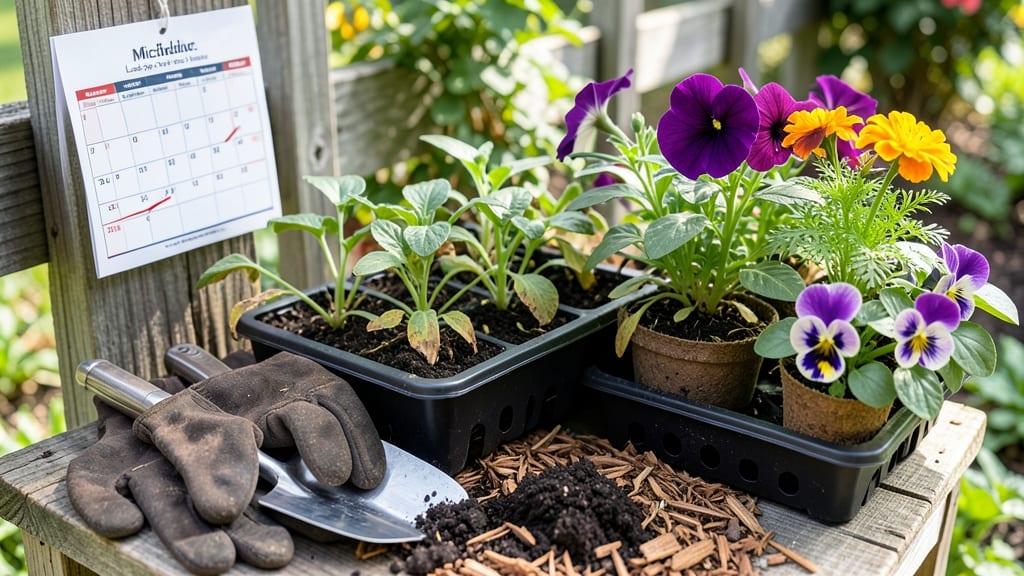
You can plant flowers in Michigan as early as late March for hardy varieties, but timing depends on your USDA Zone 5-6 region and last frost dates—get it wrong, and frost will nip tender blooms before they even peek through the soil.
Michigan’s spring weather is famously fickle, with frost lingering into May in the Upper Peninsula while Detroit might see a 60-degree day in April. That unpredictability makes the difference between a garden bursting with color and one that struggles to take root.
Here’s the game-changer: a zone-specific planting timeline that accounts for Michigan’s microclimates, from soil prep tricks to cold-hardy flower picks that thrive even when the ground is still chilly.
By the end, you’ll know exactly when to tuck in tulips, when to wait for coneflowers, and how to protect your 🌸 investments from late frosts—no more guessing, just vibrant blooms all season long.
Michigan flower planting timeline by USDA Zone 5-6 (with frost date maps)
Michigan’s USDA Zones 5-6 offer a 150-day growing season, but the last frost dates can vary by 1-2 weeks between southern cities like Detroit and northern regions like Traverse City.
Understanding these regional differences ensures your annuals, perennials, and bulbs thrive without frost damage. Let’s break down the month-by-month planting schedule tailored to Michigan’s climate.
Southern Michigan (Zone 6, e.g., Detroit, Ann Arbor) typically sees its average last frost between April 15-30, while northern areas (Zone 5, e.g., Traverse City, Marquette) often wait until May 1-15.
Microclimates—like south-facing slopes or urban heat islands—can push these dates earlier by 1-2 weeks. Always monitor soil temperatures (aim for 40°F+ for most flowers) and local forecasts before planting.
Here’s your essential planting timeline, organized by flower type and region, to maximize blooms from spring to fall:
| Month | Plant Type | Action (Zone 6) | Action (Zone 5) | Notes |
|---|---|---|---|---|
| March | Bulbs (Tulips, Daffodils) | Plant in well-draining soil | Wait until late March | Use mulch to protect from freeze-thaw cycles |
| April | Perennials (Coneflowers, Daylilies) | Transplant after April 15 | Transplant after May 1 | Hardy varieties like pansies can go in earlier |
| May | Annuals (Marigolds, Petunias) | Plant after last frost (May 1) | Plant after May 15 | Use row covers for early starts |
| June | Heat-Lovers (Lantana, Zinnias) | Direct sow after June 1 | Direct sow after June 15 | Full sun required; water deeply |
| July-August | Fall-Blooming (Asters, Chrysanthemums) | Start seeds indoors in July | Transplant late August | Extend season with cloches |
| September | Spring-Blooming Bulbs (Tulips) | Plant fall bulbs by Sept 15 | Plant by Sept 30 | Soil temps should be 60°F+ |
For northern Michigan (Zone 5), delay planting tender annuals like geraniums or impatiens until after Memorial Day to avoid frost. In southern Michigan (Zone 6), you can start cool-season crops like pansies or sweet peas as early as late March under row covers.
Always check the Michigan State University Garden Hotline for real-time updates on frost risks.
Adjust your schedule for microclimates—a south-facing wall can warm soil by 5-10°F, allowing earlier planting. Conversely, low-lying areas may need 2-3 weeks later due to cold air pooling. Use a soil thermometer to confirm readiness: most flowers need 50-60°F soil to germinate.
Pro tip: Hardy annuals like snapdragons and calendula can handle light frosts and are perfect for early spring planting in both zones. For perennials, divide clumps in early spring (Zone 6) or early fall (Zone 5) to encourage vigorous growth.
Always amend soil with compost before planting to improve drainage and fertility.
If you’re planting bulbs in fall, aim to finish by October 1 in Zone 6 or October 15 in Zone 5. Bulbs like tulips and daffodils need 6-8 weeks of chilling to bloom well.
Mark your calendar for first frost dates: October 15 in southern Michigan and October 1 in
How to time flower planting for Michigan’s unpredictable weather (pro tips)
Michigan’s last frost dates can swing wildly—sometimes two weeks early or late—making timing critical for your flower garden. I’ve learned the hard way that planting too soon risks frost damage, while waiting too long can shorten your blooming season.
The key is balancing soil warmth and air temperatures with cold-hardy varieties.
Start by checking your local frost dates—southern Michigan (like Detroit) averages mid-April, while northern areas (like Traverse City) often wait until early May.
But don’t rely solely on dates: use a soil thermometer to confirm 45°F soil temps at 4-inch depth before planting annuals like marigolds or petunias.
⚠️ callout warning
Many gardeners rush to plant tender annuals like geraniums or impatiens before May 15, only to see them wilt from late frosts. Even cold-hardy pansies can struggle if soil stays below 40°F. Wait until nighttime temps stay above 50°F for 5+ days.
Pro Tip: Use row covers or cloches to extend your planting window by 2-3 weeks for heat-loving flowers like zinnias or cosmos.
For perennials like coneflowers or daylilies, early spring planting (March-April) gives roots time to establish before summer heat. But if you’re in Zone 5, protect new growth with lightweight frost cloth until May 10—even these hardy plants can suffer from black stem rot in cold snaps.
I always plant cold-hardy annuals like sweet peas or snapdragons in early April under row covers. These thrive at 35-40°F soil temps and reward you with early blooms before tender varieties can go in. Remove covers during the day once temps rise above 50°F to prevent overheating.
Another trick? Start hardy bulbs like tulips or daffodils in October-November—they’ll naturalize and bloom reliably year after year. For late-summer flowers like black-eyed Susans, wait until after June 1 to avoid early frost cutting their season short.
Remember: Microclimates matter. A south-facing slope warms up faster than a north-facing garden bed, so adjust planting dates accordingly. And always harden off seedlings for 7-10 days before transplanting to avoid shock from temperature swings.