
Flowers
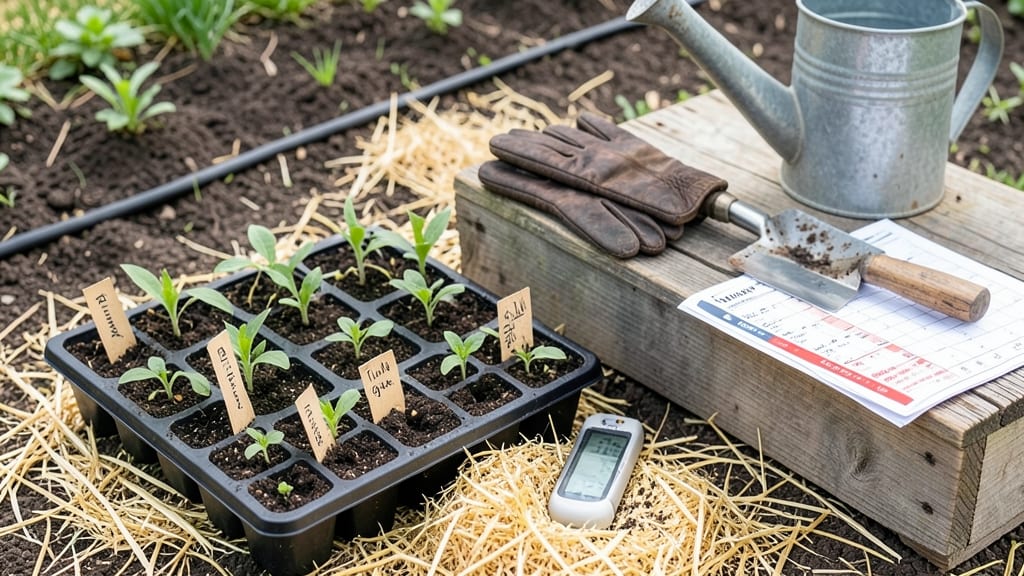
You can plant flowers in Michigan after your last frost date, typically between mid-April and mid-May in most USDA Zones 5b-6b, but timing depends on your exact location.
Michigan’s unpredictable spring weather can turn a beautiful flower garden into a gamble—unless you know the exact frost-free dates for your zone. Plant too early, and frost will kill your blooms; too late, and you’ll miss peak summer color.
For Zone 5b gardeners (northern Michigan), wait until May 1 to avoid late frosts, while Zone 6b areas (southern Michigan) can start as early as April 15. The key is soil temperature—aim for 50°F or warmer.
Below, I’ll break down the best planting windows for annuals, perennials, and bulbs, plus pro tips for adjusting to Michigan’s unpredictable weather—so your 🌸 flowers thrive all season long.
Michigan flower planting dates by USDA Zone (2024 guide)
Michigan’s USDA Zones 4b-6a create a diverse planting timeline for flowers, with northern regions facing later frost risks than southern areas. Knowing your last average frost date is critical—plant too early, and a late frost can wipe out tender seedlings.
My guide breaks down zone-specific dates so you can time your annuals, perennials, and bulbs perfectly for Michigan’s unpredictable spring.
In Zone 4b (Upper Peninsula, northern Lower Peninsula), the average last frost arrives around May 15, while Zone 6a (southern Michigan, including Detroit) typically sees frost-free conditions by April 20.
These dates shift based on microclimates—urban areas like Ann Arbor warm faster than rural spots, and elevated gardens may experience frost 1-2 weeks later.
For Zone 4b gardeners, I recommend starting cold-hardy annuals like pansies and snapdragons indoors by March 1 to transplant after the May 15 frost date.
In Zone 6a, you can direct-sow marigolds and zinnias as early as April 25, but always have row covers ready for late frosts.
Perennials like black-eyed Susans and coneflowers are tender in early spring—wait until after May 20 in northern zones to avoid frost damage. In southern Michigan, you can plant daylilies and bee balm as early as April 25, but monitor nighttime temps for drops below 32°F.
Bulbs like tulips and daffodils should be planted in fall (September-October) for spring blooms, but summer-blooming bulbs (like dahlias) wait until after last frost. In Zone 4b, this means June 1—don’t rush them!
Microclimates matter: Urban Detroit (Zone 6a) may see frost-free conditions by April 15, while rural areas 20 miles north could face frost until May 5. Use local weather stations or Michigan State University Extension data for hyper-local adjustments.
My rule of thumb? Add 1-2 weeks to frost dates if your garden sits in a low-lying or shaded area.
To extend your flower season, I suggest successive planting: Sow fast-growing annuals like bachelor’s buttons every 2 weeks from May to July for continuous blooms. For tender perennials, use black plastic mulch to warm soil 2-3 weeks earlier in spring.
Always check seed packet instructions—some annuals (like cosmos) self-sow and tolerate frost, while others (like geraniums) need warm soil. When in doubt, harden off seedlings for 7-10 days before transplanting after
Best flowers to plant early vs. late in Michigan’s seasons
Timing is everything when planting flowers in Michigan’s variable climate. Early spring brings cold-hardy annuals that thrive in March-April, while late spring welcomes heat-loving perennials perfect for May-June planting.
Bulbs, like tulips and daffodils, need their own fall prep for stunning spring blooms. Let’s break down the risk vs. reward of each planting window.
Cold-hardy annuals like pansies and snapdragons can handle Michigan’s early spring chill, making them ideal for March-April planting. These flowers tolerate light frosts and even bloom in cooler weather, giving you early color when other plants are still dormant. However, their limited heat tolerance means they’ll fade as summer arrives.
For late spring planting (May-June), focus on heat-loving perennials like black-eyed Susans and coneflowers. These plants thrive in Michigan’s warmer summer months and often return year after year. The trade-off? They need warmer soil temperatures to germinate, so planting too early risks stunted growth or failure.
Don’t overlook fall planting for bulbs like tulips and daffodils. These need 6-8 weeks of cold to trigger spring blooms, so plant them in September-October. The reward? Stunning early spring color before most annuals even sprout. Just be sure to plant them 6 inches deep for best results.
For extended seasons, consider succession planting. Start cold-hardy annuals in early spring, then follow up with heat-loving perennials in late spring. This ensures continuous blooms from March through October. Just monitor frost warnings and adjust timing based on your USDA zone.
Pro tip: Use row covers or cold frames to protect early plantings from unexpected frosts. This extends your planting window by 2-3 weeks without risking damage. Always check soil temperatures—aim for 50°F or warmer before planting heat-loving varieties.