
Blooming
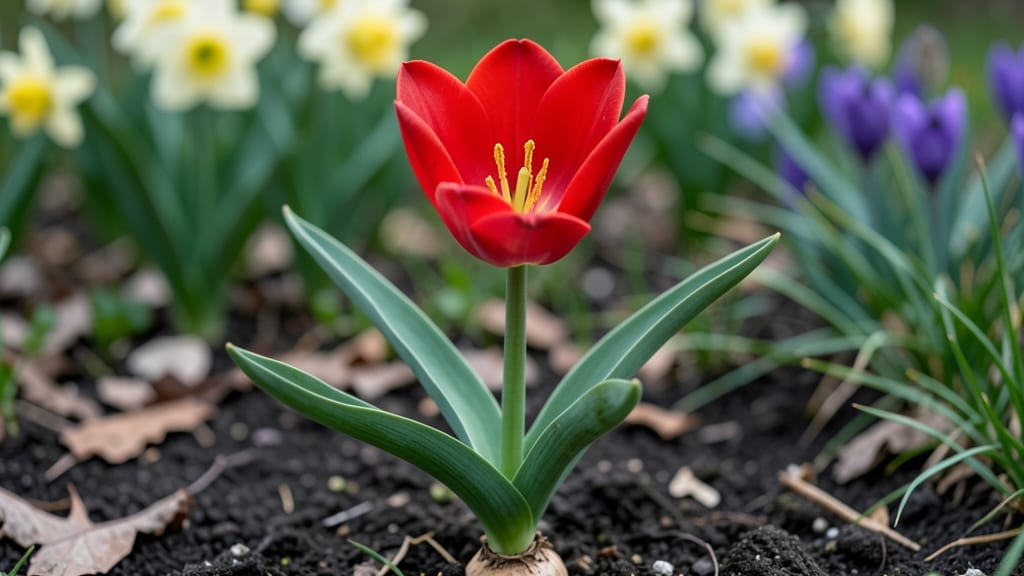
The tulip flower blooming season arrives when days grow longer and soil warms—typically April through May in most of the U.S., but the exact timing shifts dramatically depending on your USDA zone.
Imagine stepping outside to a breathtaking explosion of color—🌷 tulips in full bloom signal spring’s arrival, but their exact timing depends on where you live. Knowing your USDA zone can mean the difference between missed blooms and a garden showstopper.
In colder climates like Zone 3-5, tulips often burst into color as early as late March, while warmer regions in Zone 8-10 may see them bloom in late May or even June. Even within a single state, elevation and microclimates can push blooms weeks apart.
Here’s how to pinpoint the perfect planting window for your zone, extend your tulips’ showstopping season, and choose varieties that thrive where you live—so you never miss the magic again.
Exact tulip blooming months by USDA zone (with peak color guide)
Tulips are nature’s way of announcing spring, but their bloom timing varies dramatically across the U.S. If you live in USDA Zone 3, you might see early blooms as soon as late April, while gardeners in Zone 10 could enjoy tulips from December through March.
The secret? Choosing the right varieties for your zone and planting at the optimal time—typically in fall—sets the stage for stunning displays.
Understanding your zone’s peak bloom windows helps you plan for maximum impact. Early bloomers like ‘Early Harbinger’ might appear in March in warmer zones, while late varieties like ‘White Dream’ can extend the show into June.
Let’s break down the exact months for each zone, so you can time your planting and enjoy tulips at their best.
Pro Tip: Plant early-season tulips first (they need more chill time), followed by mid- and late-season varieties. This staggered approach ensures continuous blooms from spring through early summer. For example, in Zone 5, you might see March blooms from early varieties and May blooms from late ones.
The USDA Zone map divides the U.S. into 11 zones based on average minimum winter temperatures. Tulips thrive in zones 3 through 10, but their bloom times shift with climate.
Cooler northern zones (3-6) have shorter growing seasons, while southern zones (7-10) enjoy longer, milder winters—perfect for winter-blooming tulips like ‘Ice Follies’.
| USDA Zone | Early Blooms | Peak Blooms | Late Blooms | Planting Time |
|---|---|---|---|---|
| 3-4 | Late April | May | Early June | September-October |
| 5-6 | Early April | April-May | Late May | October-November |
| 7-8 | February-March | March-April | May | November-December |
| 9-10 | December-January | January-February | March-April | December-January |
In USDA Zones 3-4, tulips burst into bloom as early as late April, with peak color in May. This is prime time for classic varieties like ‘Parrot’ and ‘Darwin Hybrid’, which thrive in cooler climates.
Plant bulbs in September or October to ensure they get enough chill hours (40-60°F) for robust growth. If you’re in Zone 4, aim for early April blooms with varieties like ‘Fosteriana’, known for their bold, papery petals.
Gardeners in Zones 5-6 enjoy a longer bloom window, from early April through late May. This zone is ideal for mid-season tulips like ‘Apeldoorn’ (red) or ‘Queen of Night’ (deep purple).
Plant in October or November, and don’t be tempted to dig up bulbs after the first year—they’ll multiply and return year after year with proper care. A layer of mulch in winter protects them from freezing.
For Zones 7-8, tulips are a winter and early spring spectacle, blooming as early as February. Varieties like ‘Greigii’ (orange with maroon bases) and ‘Icterina’ (yellow) shine in milder winters. Plant bulbs in November or December to take advantage of the cool, wet winters these zones offer.
In Zone 8, you can even extend the season by planting late-blooming varieties like ‘White Dream’ in
How to extend tulip blooms: pro tips for longer-lasting color
Tulips burst into vibrant color each spring, but their blooming season can feel disappointingly short. The good news? With the right soil prep, watering habits, and post-bloom care, you can stretch those showstopping blooms by 2-3 weeks or more.
I’ve learned through trial and error that small adjustments make a big difference—like choosing the right tulip varieties or avoiding overwatering.
One of the biggest mistakes gardeners make is cutting back foliage too soon after blooms fade. Those green leaves are hard at work feeding the bulb for next year’s flowers.
Even if your tulips look spent, resist the urge to trim until the leaves turn yellow-brown and crispy. Patience here pays off in longer-lasting blooms the following season.
🌷 5 Pro Tips to Extend Tulip Blooms
- 1. Plant in well-draining soil – Tulips rot if soggy. Mix in compost or sand to improve drainage. Aim for 6-8 inches deep and 4-6 inches apart for airflow.
- 2. Water deeply but infrequently – Soak the soil once a week in spring, then taper off as buds form. Avoid wetting foliage to prevent fungal diseases like gray mold.
- 3. Choose reblooming varieties – Look for Darwin Hybrid or Fosteriana tulips, which naturally produce multiple blooms per stem. These repeat bloomers extend your season by weeks.
- 4. Deadhead spent blooms – Snip off wilted flowers but leave the leaves intact until they yellow. This redirects energy to the bulb for next year’s growth.
- 5. Mulch after blooming – Apply 2-3 inches of mulch (straw or shredded leaves) to retain moisture and regulate soil temperature. This keeps roots happy for longer foliage and stronger bulbs.
Don’t overlook the power of fertilizer timing. A light application of balanced 10-10-10 fertilizer in early spring (when shoots emerge) gives tulips a growth boost. But skip heavy feeding after blooming—it encourages leafy growth over flower production, which can weaken next year’s blooms.
Think of it as a spring turbocharge, not a summer feast.
Another game-changer? Planting depth. Shallow bulbs (less than 6 inches deep) often produce taller stems but fewer blooms. Dig deeper for sturdier stems and more flowers per bulb.
Pro tip: Use a trowel with depth markers to avoid guesswork. In USDA zones 5-7, aim for 8 inches deep—the extra insulation helps bulbs survive winter better.
For container gardeners, container size matters. Tulips in pots need at least 6-inch-deep containers with drainage holes. Smaller pots dry out faster, stressing bulbs and shortening their lifespan. Group 3-5 bulbs per container to create a dramatic display while sharing moisture efficiently.
Just remember: containers warm up faster in spring, so plant them 2-3 weeks later than in-ground bulbs.
Finally, embrace seasonal layering. Plant early-blooming varieties (like ‘Early Harvest’) alongside late bloomers (like ‘Apeldoorn’) to stagger your color show. This creates a continuous bloom window from late March through May, depending on your zone. Pair tulips with daffodils or alliums for even longer seasonal interest.