
Size
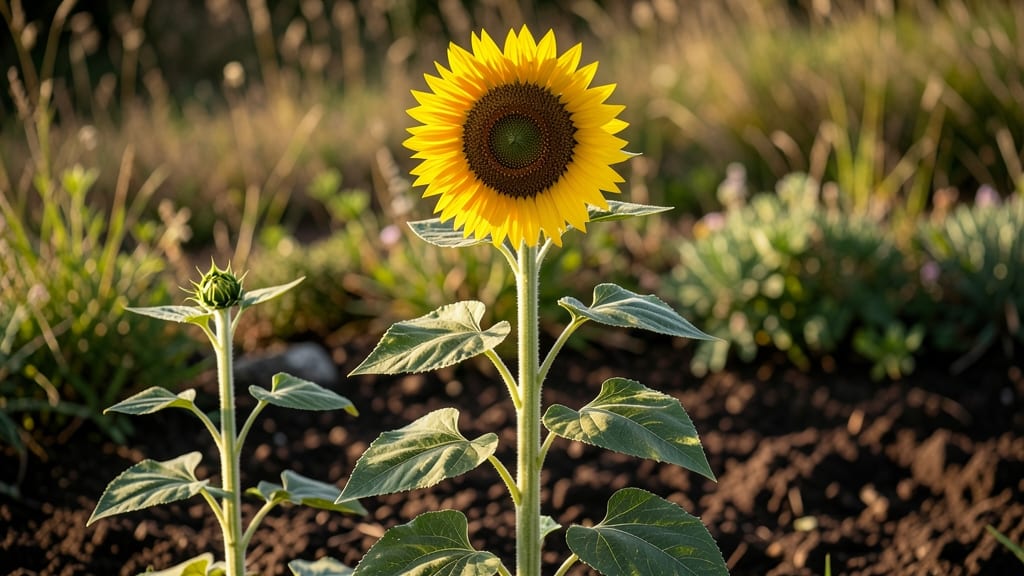
The sunflower grow time from seed to towering 🌻 blooms takes between 45 and 120 days, depending on the variety and growing conditions—but the real magic happens in the first 30 days after planting.
Picture this: a tiny seedling poking through the soil, then stretching toward the sun at a rate of 2-3 inches per day until it’s taller than you. That rapid growth isn’t just impressive—it’s also a race against time, especially if you’re aiming for harvest before frost.
In this guide, I’ll break down the exact sunflower grow time for popular varieties, from germination to full bloom, plus the key factors that can speed up or slow down growth—so you can plan your garden like a pro.
You’ll learn how to optimize sunlight, water, and soil to get those giant stems standing tall faster, and when to expect those iconic yellow faces turning toward the sky.


Sunflower grow time: exact stages from seed to bloom
Sunflowers are nature’s speed demons—some varieties sprout in just 3-10 days and reach maturity in under 80 days. But their grow time varies wildly depending on the variety, climate, and your care routine.
Whether you’re growing Mammoth sunflowers for height records or Teddy Bear varieties for cut flowers, knowing these stages helps you plan for harvests, pruning, or even winter storage. Let’s break down the exact timeline from seed to bloom.
First, the germination phase is where it all begins. Most sunflower seeds sprout within 7-14 days under ideal conditions—warm soil (70°F+) and consistent moisture. After that, the vegetative growth phase kicks in, where leaves expand rapidly and the stem elongates.
This stage can last 30-50 days, depending on sunlight and nutrients. Finally, the flowering phase begins, where those iconic blooms open in 10-20 days, followed by seed development over another 30-60 days.
Here’s the exact breakdown for popular varieties, including how sunlight, temperature, and soil quality can speed up or slow down growth:
Notice how Mammoth and Russian Giant varieties take nearly 4 months to mature, while Teddy Bear and Autumn Beauty bloom in under 80 days. This difference is due to their genetic growth rates—taller varieties prioritize stem elongation over quick flowering.
If you’re in a short growing season, choose faster varieties like ProCut or Autumn Beauty to guarantee blooms before frost.
Temperature plays a huge role in speeding up or slowing down growth. Sunflowers thrive in 70-85°F soil and air temperatures. If your spring starts cool (50-60°F), germination can take 2-3 weeks instead of 7-10 days.
To accelerate growth, use black plastic mulch or a row cover to warm the soil faster. Conversely, if summer temperatures exceed 90°F, growth may stall until cooler evenings return.
Soil quality is another game-changer. Sunflowers need well-draining soil with a pH of 6.0-7.5. Poor soil? Add compost or aged manure before planting to boost nutrients.
Without proper drainage, roots suffocate, slowing growth by 10-20 days. Test your soil first—amending it now can mean bigger blooms and faster maturity.
Light is non-negotiable for sunflowers. They demand 6-8+ hours of direct sunlight daily. If you’re growing in partial shade, expect 20-30% slower growth and smaller blooms. In my garden, I’ve seen ProCut sunflowers mature 15 days faster when planted in full sun versus partial shade.
If you’re in a high-rise apartment, a south-facing window or grow lights can still yield blooms, though yields will be smaller.
How to speed up or slow down sunflower growth naturally
Sunflowers grow at their own pace, but with the right techniques, you can accelerate their development for faster blooms or slow growth to extend the flowering period. The key lies in watering, nutrient balance, and strategic pruning—all while avoiding common pitfalls like overwatering or nutrient burn.
Whether you're growing sunflowers for seeds, cut flowers, or just garden beauty, these methods will help you fine-tune their growth cycle.
For faster growth, focus on providing consistent moisture, rich soil, and full sunlight. Sunflowers thrive with deep watering every 5-7 days during their active growth phase, especially in hot climates.
A balanced fertilizer with equal parts nitrogen, phosphorus, and potassium (like 10-10-10) applied every 4-6 weeks will give them the energy they need to shoot up quickly. Avoid over-fertilizing, though—too much nitrogen can lead to lush foliage but delay flowering.
✨ Speed Up Growth ✨
- Faster blooms for cut flowers
- Earlier seed harvest for bird feed
- Taller stems with proper nutrients
- Reduced pest pressure from healthy growth
- Risk of flopping in windy areas
- Shorter flowering period if over-fertilized
- More water needed for rapid growth
🌱 Slow Down Growth 🌱
- Longer bloom time for cut arrangements
- Stronger stems for outdoor displays
- Better seed development with gradual growth
- Slower maturity for harvest goals
- More prone to pests if growth is stunted
- Requires careful pruning to control height
To slow down sunflower growth naturally, reduce watering frequency to every 10-14 days once established, and avoid heavy fertilization after the plants reach 3 feet tall.
Pruning the top bud (the main flower head) when the plant is young can encourage side shoots, which will produce smaller blooms but extend the overall flowering period. This technique is perfect if you want longer-lasting cut flowers or a bushier plant for your garden borders.
One critical mistake many gardeners make is overwatering sunflowers, especially in containers. Too much moisture can lead to root rot and stunt growth entirely.
Instead, water deeply but infrequently—aim for 1-2 gallons per plant every 7-10 days, and always water at the base of the plant in the morning to prevent fungal diseases. Mulching around the base with straw or wood chips helps retain moisture while keeping roots cool.
For seed production, you’ll want to balance growth speed and flowering time. If your goal is to harvest seeds, allow the sunflowers to grow at their natural pace by avoiding heavy pruning or excessive fertilization.
Once the flower head turns yellow and the back becomes brown, cut the head off and hang it upside down in a dry, well-ventilated area to finish drying. This process can take 2-4 weeks, depending on humidity levels.
Finally, pay attention to your local climate. In cooler regions, sunflowers grow more slowly due to shorter daylight hours, while hot, sunny climates can accelerate growth dramatically.
If you’re in a cooler zone, consider starting seeds indoors 4-6 weeks before the last frost date to give them a head start. With these tips, you’ll have full control over your sunflower’s growth timeline—whether you’re racing for blooms or savoring a slower, more extended display.