
Blooming
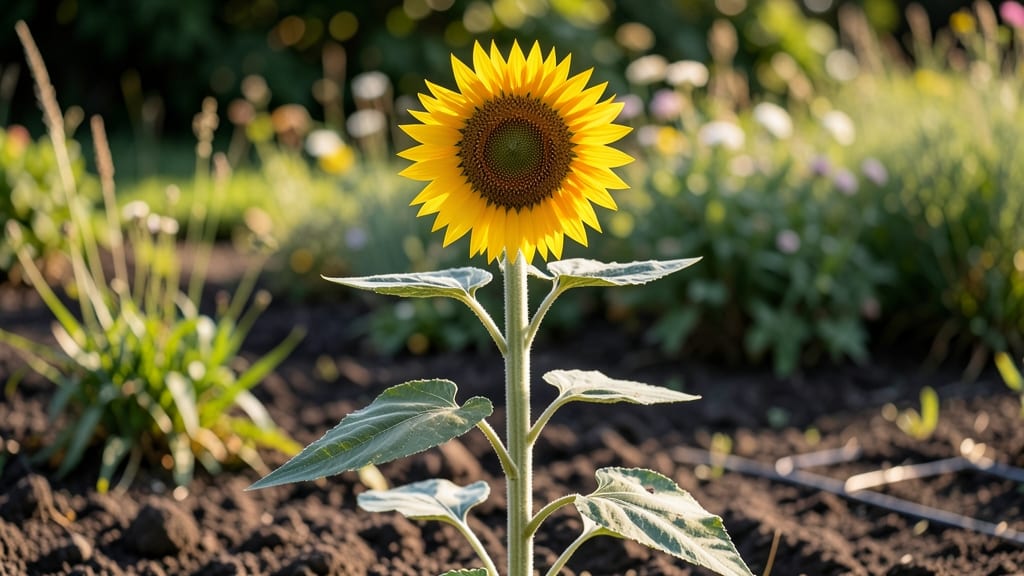
The sunflower flowering time can vary dramatically—between 60 to 120 days after planting, depending on the variety and your climate zone—but with the right (or wrong) growing conditions, that window can shrink or stretch.
Picture this: you’ve spent weeks nurturing those bright green seedlings 🌻, only to watch them stretch toward the sky without a single bloom in sight. Frustrating, right?
The truth is, timing everything from seed to flower depends on more than just patience—it’s about knowing your sunflower’s personality and your local growing quirks.
In USDA Zone 6a, where spring often drags its feet, planting in early May (after the last frost) gives most varieties enough daylight to bloom by mid-July. But in warmer zones like Zone 9, those same seeds might flower in just 50 days if planted in March.
The difference? Temperature, daylight, and even soil nutrients can speed up or delay blooms by weeks.
Here’s what you’ll discover: exact flowering timelines for popular varieties, how to adjust for your climate, and 5 science-backed tricks to coax blooms faster—without sacrificing those towering, cheerful faces you planted for.
Exact sunflower flowering time by popular variety (days to bloom)
Sunflowers are one of the fastest-growing plants in any garden, but their flowering time varies dramatically depending on the variety. Giant sunflowers like 'Mammoth' take 80-120 days to bloom, while dwarf varieties like 'Teddy Bear' can flower in just 45-60 days.
Understanding these timelines helps you plan your garden layout and harvest schedule with precision.
Most sunflowers follow a predictable growth pattern: germination (5-10 days), vegetative growth (30-60 days), and flowering (10-30 days). The key difference lies in the maturity rate of each variety, which is influenced by genetics and growing conditions.
For example, ornamental sunflowers like 'Autumn Beauty' prioritize vibrant petals over seed production, so they bloom 10-20 days faster than their edible counterparts.
The days-to-bloom estimate assumes ideal conditions: full sun (6+ hours daily), well-draining soil, and consistent moisture. In cooler climates or with poor soil, flowering can be delayed by 2-4 weeks.
Always check seed packets for specific variety details, as even within categories like "giant" or "dwarf," there's 10-15 days of variation.
| Variety | Type | Height (ft) | Days to Bloom | Best For |
|---|---|---|---|---|
| Mammoth | Giant | 10-16 | 80-120 | Seed production, cut flowers |
| Russian Giant | Giant | 12-14 | 85-110 | Tallest varieties, windbreaks |
| Autumn Beauty | Ornamental | 3-5 | 50-70 | Color-changing petals |
| Teddy Bear | Dwarf | 2-3 | 45-60 | Containers, pollinators |
| ProCut | Semi-Dwarf | 4-6 | 55-75 | Long vase life |
| Sunspot | Dwarf | 2-4 | 40-55 | Early bloomers, cut flowers |
| Lemon Queen | Ornamental | 3-5 | 55-70 | Unique color, pollinators |
| American Beauty | Standard | 6-8 | 60-90 | Classic cut flowers |
If you're growing giant sunflowers like 'Mammoth,' plan to wait 100+ days for blooms, but the reward is 12-foot-tall stems perfect for cut arrangements. Dwarf varieties like 'Teddy Bear' are ideal for container gardens and bloom in just 45-60 days, making them perfect for late-summer color when taller varieties may have finished.
The fastest-blooming sunflowers are typically dwarf or ornamental types, which prioritize petal development over seed production. For example, 'Sunspot' can flower in as few as 40 days under ideal conditions, while edible varieties like 'Russian Giant' take 85+ days to mature their seeds.
This difference is crucial if you're growing sunflowers for birdseed or human consumption versus garden aesthetics.
My personal favorite for quick results is 'Autumn Beauty,' which blooms in 50-70 days and produces multi-colored petals that change as they age. I've used it
How climate zones affect sunflower flowering speed (and how to adjust)
Your USDA climate zone plays a surprisingly big role in how quickly sunflowers bloom. In warmer zones (8-11), sunflowers often flower in just 60-70 days, while in cooler zones (3-6), the same varieties might take 80-100 days or longer.
The difference comes down to temperature ranges, daylight hours, and frost risks—all factors you can work with to optimize your sunflower timeline.
Sunflowers are long-day plants, meaning they respond to increasing daylight. In northern zones (1-5), shorter summer days can delay flowering until late summer, while southern zones (7-11) enjoy longer days that trigger earlier blooms.
Even a 5-degree temperature shift can push flowering 1-2 weeks earlier or later, making zone adjustments critical for timing your garden's peak beauty.
Zone 3-5 (Cold Climates)
Plant in late May after frost risk passes. Use black plastic mulch to warm soil. Expect 80-100 day flowering time.
Zone 6-7 (Temperate Zones)
Ideal 60-75 day flowering. Start seeds indoors 2-3 weeks before last frost. Transplant after soil reaches 55°F+.
Zone 8-11 (Warm Climates)
Fastest bloomers at 50-65 days. Can plant year-round in frost-free zones. Watch for bolting in winter.
All Zones (Adjustment Tips)
Use row covers in spring to speed growth. For later blooms, plant dwarf varieties in fall for winter interest.
To accelerate flowering in cooler zones, try these proven strategies: Start seeds indoors 4-6 weeks before transplanting to give them a head start, and use heat mats to warm soil to 70°F+ before planting.
In Zone 4-5, I've had success with early-maturing varieties like 'Teddy Bear' (50-60 days) that bloom before late-summer heat arrives.
For delayed flowering, plant late-season varieties like 'Russian Giant' (90-100 days) in Zone 6-7 for fall color. In warmer zones (8-11), shade cloth can prevent bolting and extend the vegetative stage.
I once kept sunflowers blooming for 3 months in Zone 9 by providing afternoon shade during peak summer heat.
Remember that frost dates are your biggest constraint. In Zone 3-4, plant after May 15th to avoid spring frosts that can kill young seedlings. Meanwhile, in Zone 10-11, you can plant year-round but must watch for pests that thrive in warm climates.
The key is matching your local last frost date with your sunflower's days-to-maturity.
Pro tip: Check your USDA zone and average first frost date (find it at USDA Plant Hardiness Zone Map). Then subtract your sunflower's days-to-bloom to determine the latest planting date for summer flowers.
For example, a 60-day variety in Zone 5 (first frost Oct 15) should be planted by August 15th for fall blooms.