
Flowers
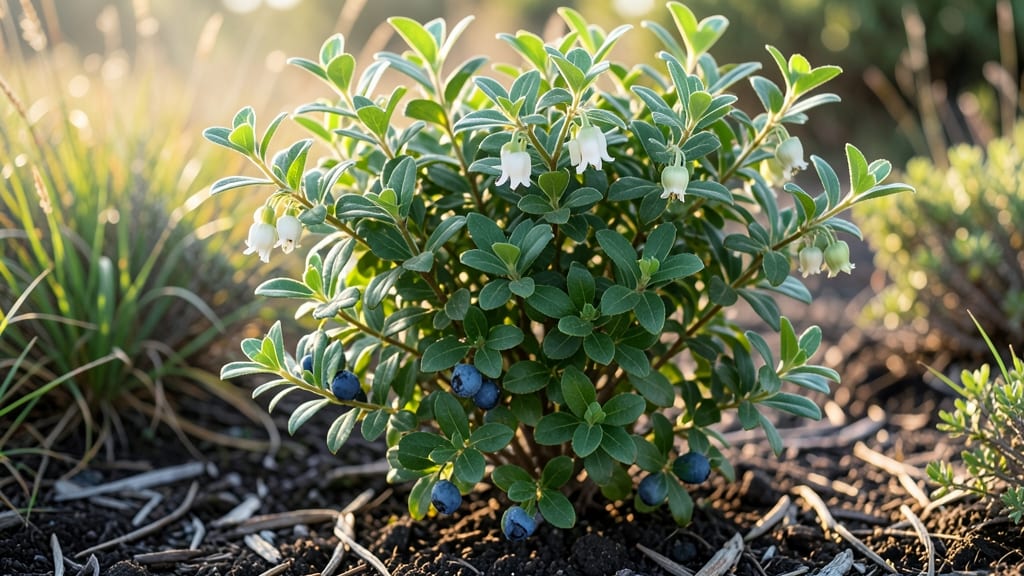
Blueberry flowers transform into fruit through five distinct stages, each requiring the right timing, care, and environmental conditions to ensure a successful harvest.
Picture this: your 🫐 bushes are covered in delicate pink and white blossoms, but you’re not sure if they’ll turn into plump berries—or why some flowers drop off before fruiting. The key lies in understanding the stages from bloom to harvest, so you can troubleshoot delays and boost your yield.
In USDA Zone 6, this journey typically starts in late spring when temperatures rise and blossoms appear. Each stage—from pollination to ripening—depends on factors like soil pH, sunlight, and even the right watering routine.
Get it wrong, and you might end up with small berries or no fruit at all.
Below, I’ll walk you through every milestone, including what to watch for, common mistakes to avoid, and the exact care tips to turn those flowers into a bucket of juicy blueberries by summer.
Blueberry flower to fruit stages: a detailed timeline with visual cues
Understanding the blueberry flower to fruit timeline is key to maximizing your harvest. Each stage—from bud formation to berry ripening—depends on precise environmental conditions. Miss a step, and you might end up with blossom drop or tiny, underdeveloped berries.
Let’s walk through what to expect and how to support each phase for a bountiful crop.
Blueberries typically transition through 6 critical stages over 60–90 days, depending on your climate and variety. In USDA Zone 6, this process usually begins in late April and concludes by mid-July.
Southern growers may see earlier timelines, while northern regions might extend into August. Each stage offers visual cues—like flower color shifts or berry size changes—that help you track progress.
Stage 1: Bud Formation (Late Winter/Early Spring) Bud formation starts in winter but becomes visible in late February–March. Look for tight, green buds along last year’s wood. These buds need chilling hours (300–900) to trigger flowering. If winters are too warm, buds may fail to set flowers, leading to poor fruit production. Mulch heavily to protect buds from temperature swings.
Stage 2: Bloom (April–May) Flowers emerge as pale pink to white clusters, typically in April. Each flower lasts 3–5 days and must be pollinated within this window. Bees are essential, but wind can also help. If you notice drooping flowers or blossom drop, it may signal drought stress or temperature extremes. Water deeply at the base to avoid wetting flowers, which can cause fungal issues.
🌱Visual Cue: Healthy blooms open fully in the morning and close by afternoon. Darkening or wilting flowers indicate stress.
Critical factors that impact blueberry flower to fruit success (and how to control them)
Blueberries thrive when their environmental needs are met at every stage—from bloom to harvest. The right temperature ranges (50–85°F), sunlight exposure (6+ hours daily), and soil acidity (pH 4.5–5.5) create the foundation for successful fruit development.
Without these, you’ll face issues like small berries or cracking, even with healthy blooms.
Pollination is another critical factor. Blueberries rely on bees, wind, or hand-pollination to fertilize flowers. Poor pollination leads to blossom drop or underdeveloped fruit. Meanwhile, watering habits—especially during fruit set—directly influence berry size and quality.
Too much or too little water can stress the plant, stunting growth or causing splitting in ripe berries.
Use sulfur or peat moss to keep acidity optimal for nutrient uptake.
Raises pH, locks out essential nutrients like iron and manganese.
Keep soil moist but not soggy during fruit set (avoid overhead watering).
Causes berries to split or drop prematurely due to stress.
Use a paintbrush to transfer pollen between flowers for better fruit set.
Below 50°F or above 90°F stunts pollination and fruit development.
Removes crowded branches to improve airflow and sunlight penetration.
Stresses the plant and reduces yield by removing energy sources.
Temperature plays a pivotal role in blueberry fruit development. Ideal daytime temps (65–85°F) and nighttime temps (50–60°F) encourage healthy pollination and fruit set. If temperatures drop below 50°F during bloom, flowers may fail to open or drop entirely.
Conversely, heatwaves above 90°F can cause blossom burn, where flowers wilt and fall off without setting fruit.
Sunlight is non-negotiable for blueberries. While they tolerate partial shade, full sun (6+ hours daily) maximizes fruit production and sugar content. If your plants are in low-light areas, supplement with a reflective surface or grow lights during early growth stages.
Without enough light, berries will be small, tart, and underdeveloped.
For pollination success, blueberries rely on bees, wind, or manual intervention. If your garden lacks pollinators, use a soft paintbrush to transfer pollen between flowers in the morning. Hand-pollination is especially useful for self-pollinating varieties like 'Bluecrop' or 'Jersey.'
Monitor for honeybees or native bees—their presence is a good sign, but avoid pesticides during bloom to protect them.
Finally, watering consistency is key. During fruit set (May–June), water deeply 1–2 times per week to prevent berry splitting or cracking. Use drip irrigation or soaker hoses to deliver water directly to the roots, avoiding wetting the foliage (which promotes fungal diseases).
Mulch with pine needles or wood chips to retain moisture and acidity.