
Flowers
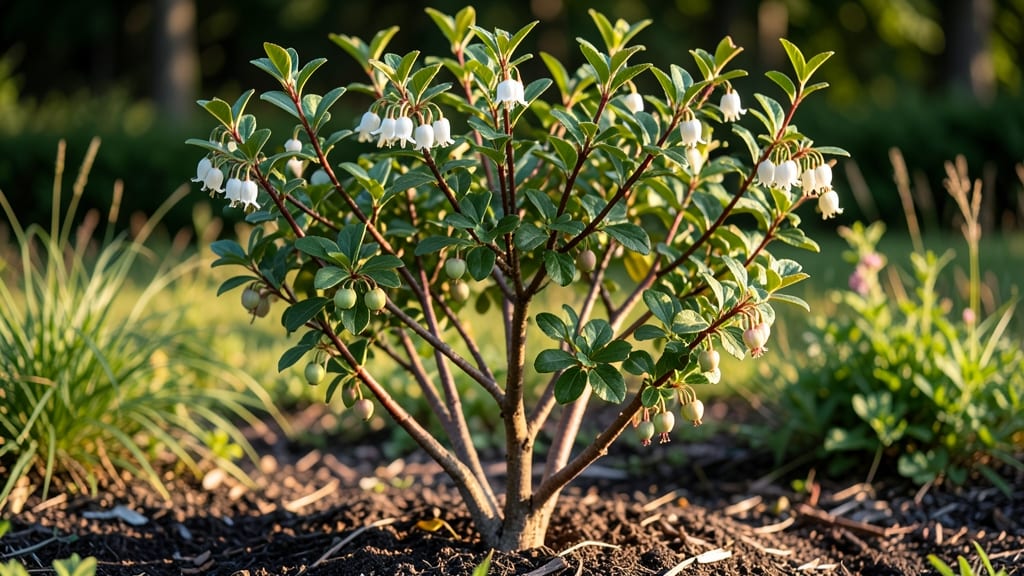
Transforming blueberry flowers into fruit is all about understanding the pollination process and giving your 🫐 plants the right conditions.
Did you know that proper pollination can turn your blueberry flowers into a bumper crop of juicy berries—or leave you with sparse harvests? Understanding the science behind blueberry flower to fruit transformation is the secret to maximizing your garden’s yield.
From the delicate bloom stage to the ripening fruit, every step depends on temperature, sunlight, and even the right soil pH. Without the right conditions, your bushes might look stunning but produce almost nothing.
In this guide, I’ll break down the key stages, show you how to boost pollination naturally, and share the most common mistakes that keep berries from forming. By the end, you’ll know exactly what your blueberries need to go from blossoms to a harvest that rivals the grocery store.
The science behind blueberry flower to fruit development
When your blueberry bushes burst into pink and white blossoms each spring, you’re witnessing nature’s intricate process of flower to fruit transformation. This journey isn’t just about aesthetics—it’s a biological ballet between pollinators, plant hormones, and environmental conditions.
Understanding these stages helps you troubleshoot poor fruit set and ensure a bountiful harvest.
The transformation begins when blueberry flowers open, revealing their reproductive structures. Each flower contains male stamens (producing pollen) and a female pistil (where fertilization occurs). For fruit to develop, pollen must transfer from stamens to pistils—a process called pollination. Without it, flowers wilt, and your harvest potential vanishes.
Blueberries are self-pollinating, meaning a single plant can fertilize itself. However, cross-pollination between different varieties often improves fruit quality and yield. Bees, wind, and even gardeners can facilitate this transfer. The ideal pollination window occurs on warm, sunny days when bees are most active.
Once pollination succeeds, plant hormones like auxin and gibberellins kick in.
Auxin signals the ovary to grow into a fruit, while gibberellins promote cell expansion, turning tiny ovaries into plump blueberries. Temperature and moisture during this phase are critical—too much heat or drought can stress the plant and stunt fruit development.
Here’s the science breakdown of what happens from bloom to harvest:
Did you know that blueberry flowers are particularly sensitive to late spring frosts? A freeze after pollination can kill developing fruit, leaving you with bare branches. To protect your crop, monitor weather forecasts and cover bushes with frost cloth if frost is predicted during bloom.
Bees are the superheroes of blueberry pollination, but they need your help. Plant bee-friendly flowers like lavender or clover nearby to attract them. Avoid pesticides during bloom, as they can kill pollinators and leave flowers unpollinated. Even a gentle hand-pollination with a paintbrush can boost yields if bees are scarce.
The color change from pink to white in blueberry flowers isn’t just pretty—it signals readiness for pollination. White flowers reflect more light, making them visible to bees.
Once pollinated, the petals fall, and the ovary swells into a tiny berry. This stage is when nutrient management becomes critical—phosphorus-rich fertilizers support fruit development.
If you’ve ever wondered why some blueberry bushes produce fewer berries than expected, the answer often lies in pollination gaps or hormonal imbalances. For example, shady locations reduce bee activity, while over-fertilizing with nitrogen can lead to lush foliage but fewer flowers.
Balancing these factors is key to a high-yield harvest.
Next time you see your blueberries transitioning from tiny green pebbles to juicy blue orbs, remember: every step is a science-backed process. By understanding these stages, you can optimize conditions and turn your garden into a blueberry powerhouse. 🫐🌱
How to boost pollination for maximum blueberry fruit production
Blueberry bushes produce stunning flowers, but without proper pollination, those blooms won’t turn into sweet, plump berries. The good news? You can take control with simple strategies to attract pollinators and even help nature along. Whether you’re growing highbush or lowbush varieties, these tips will maximize your harvest potential.
First, understand that blueberries rely on insect pollinators like bees and even wind to transfer pollen from flower to flower. However, many gardeners face challenges like low bee activity or poor weather conditions that hinder this process.
The key is creating an environment where pollinators thrive while minimizing obstacles. Let’s dive into actionable steps to ensure your blueberry flowers make the transition to fruit successfully.
- 🐝 Plant pollinator-friendly flowers like lavender, clover, or native wildflowers near your blueberries to attract bees and butterflies.
- 🌿 Space bushes 4-6 feet apart to improve airflow and access for pollinators, reducing self-shading and humidity.
- 💧 Water deeply in the morning to keep flowers hydrated and vibrant, making them more appealing to pollinators.
- ✂️ Prune lightly in late winter to remove dead wood and open the center of the bush for better pollinator access.
- 🛡️ Avoid pesticides during bloom—opt for organic sprays or neem oil only if absolutely necessary.
- 🤲 Hand-pollinate on cloudy days by gently brushing flowers with a soft paintbrush to transfer pollen manually.
- ☀️ Ensure full sun exposure (6+ hours daily) to encourage robust flower production and energy for fruit development.
One of the easiest ways to boost pollination is by planting companion flowers that attract bees and butterflies. Blueberries benefit from nearby lavender, basil, or native wildflowers, which provide nectar and pollen for pollinators.
Even a small patch of these flowers can make a big difference in your blueberry’s fruit set. If your garden is isolated, consider adding a few pots of bee-friendly plants nearby.
For gardeners in areas with low bee activity, hand-pollination is a game-changer. On overcast days or when bees are scarce, grab a soft paintbrush and gently brush the flowers to transfer pollen.
Focus on the stamens (male parts) and stigmas (female parts) of the flowers. This method works best in the morning when flowers are fully open and pollen is most receptive.
Environmental factors like spacing and watering also play a crucial role. Blueberry bushes need 4-6 feet of space between plants to ensure good airflow and reduce humidity, which can discourage pollinators.
Additionally, deep watering in the morning keeps flowers hydrated and vibrant, making them more attractive to bees. Avoid overhead watering in the evening, as wet flowers can attract pests and diseases.
Finally, avoid pesticides during the blooming season. Many chemical sprays can harm pollinators and reduce their activity in your garden. Instead, opt for organic solutions like neem oil or insecticidal soap, and only apply them in the late evening when bees are less active.
By creating a pollinator-friendly environment, you’ll not only boost your blueberry yield but also support local ecosystems.