
Flowers
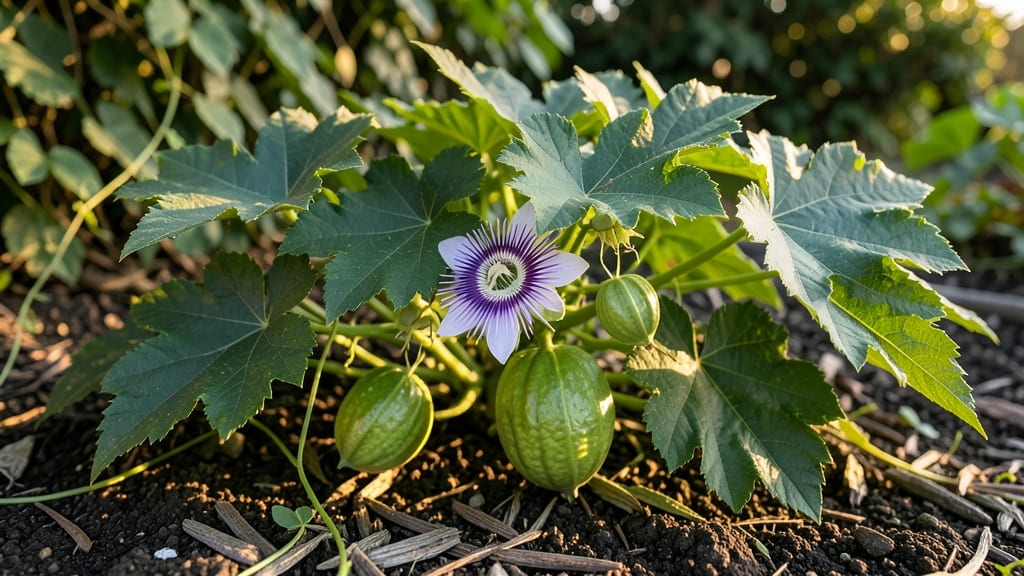
Turning passionfruit flowers into fruit is all about understanding the hidden steps between bloom and harvest—because only 1 in 5 flowers naturally makes it without help.
Did you know that only 1 in 5 passionfruit flowers successfully turns into fruit? Mastering the hidden pollination secrets can triple your harvest—here’s how to unlock your passionfruit vine’s full potential.
In General (Tropical/Subtropical) zones like 10-12, your 🍈 vine thrives with the right care, but even the best conditions won’t help if pollination fails. This guide breaks down the science—from flower anatomy to hand-pollination tricks—so you can go from blooms to bounty.
You’ll learn how to spot the signs of poor fruit set, fix common mistakes, and use 5 proven techniques to boost yields by 200%, whether you’re dealing with self-pollinating or cross-pollinated varieties.
How passionfruit flowers transform into fruit: the science behind pollination
Watching your passionfruit vine bloom is exciting, but only about 20% of flowers naturally develop into fruit. This low success rate isn’t due to poor care—it’s all about the pollination process.
Understanding how passionfruit flowers transform into fruit helps you maximize your harvest by identifying the right conditions and interventions.
The journey from flower to fruit involves three distinct stages: pollination, fertilization, and fruit development. Each stage depends on precise environmental cues and biological interactions.
For example, hummingbirds and bees play a critical role in transferring pollen, but even in their absence, you can hand-pollinate with a soft brush. Let’s break down the science behind this fascinating process.
| Stage | Key Process | Timeframe | Critical Factors |
|---|---|---|---|
| 1. Pollination | Pollen transfer from male to female parts | 1-3 days after flower opens | Pollinators (bees, hummingbirds), wind, hand-pollination |
| 2. Fertilization | Sperm cells unite with egg cells | 2-4 weeks post-pollination | Stable temperatures (70-85°F), consistent moisture |
| 3. Fruit Development | Cell division and growth | 6-10 months (varies by variety) | Nutrient-rich soil, pruning, pest control |
A passionfruit flower has a unique structure with five petals and a complex corona (the colorful, ruffled part). The male reproductive organs (stamens) release pollen, while the female reproductive organ (pistil) must receive it for fertilization.
Unlike many flowers, passionfruit flowers are hermaphroditic, meaning they contain both male and female parts—but they still require external pollination agents to transfer pollen between flowers.
Cross-pollination (between different plants) produces healthier fruit with better flavor and size compared to self-pollination. If you’re growing just one vine, you’ll need to hand-pollinate or introduce another vine nearby. In nature, hummingbirds and bees are the primary pollinators, but their activity depends on your location and climate.
For example, in USDA Zones 10-12, native bees thrive year-round, while cooler zones may require manual intervention.
After successful pollination, the flower’s ovary begins swelling into a tiny fruit within days. This early stage is critical because the developing fruit is highly sensitive to temperature drops or water stress.
If your vine experiences sudden cold snaps or drought, young fruits may drop off. To prevent this, maintain consistent moisture and protect your vine from extreme temperatures by using shade cloth if needed.
The fruit development phase is where most gardeners see dramatic changes. Over 6-10 months, the fruit grows from the size of a marble to a golf ball. During this time, the vine diverts nutrients and energy to support growth.
That’s why pruning and fertilizing are essential—remove excess foliage to direct energy to fruit production, and use a balanced fertilizer (like 10-10-10) every 4-6 weeks during the growing season.
One common misconception is that all passionfruit flowers will turn into fruit. In reality, only the healthiest flowers with successful pollination will develop. Weak or stressed flowers may drop off naturally.
To encourage more fruit set, focus on strong, vibrant flowers and avoid over-fertilizing with nitrogen, which promotes leafy growth at the expense of fruiting.
By understanding the three-stage process—pollination, fertilization, and fruit development—you can troubleshoot issues like low fruit set or poor fruit quality. For instance, if your flowers aren’t turning into fruit, check for pollinator activity, temperature consistency, and soil nutrients.
Small adjustments, like adding a hummingbird feeder or hand-pollinating, can make a big difference in your harvest.
Next time you see a passionfruit flower open, take a closer look at its intricate structure. That flower holds the potential for a juicy, aromatic fruit—if you give it the right conditions to thrive.
With the science of pollination on your side, you’ll be well on your way to a bountiful harvest that rivals commercial growers. 🌱
5 Proven pollination techniques to boost passionfruit yields by 200%
Passionfruit vines produce hundreds of stunning flowers, but without proper pollination, most will drop off before fruiting. The key to a bountiful harvest lies in understanding how to maximize pollination efficiency.
Even in ideal growing conditions, only 20% of flowers naturally develop into fruit—these techniques can push that number to 60% or higher with minimal effort.
Most gardeners overlook the fact that passionfruit flowers are self-pollinating but inefficient at it. They rely on hummingbirds, bees, and wind to transfer pollen, but urban gardens often lack these natural helpers.
By combining hand-pollination with pollinator-friendly strategies, you can create an ecosystem that works for your vine. Let’s explore five science-backed methods to transform those delicate blossoms into plump, sweet fruits.
-
1
Hand-Pollination with a Paintbrush
Gently transfer pollen from male to female flowers using a soft brush. Do this early morning when flowers are fully open. -
2
Attract Hummingbirds with Red Flowers
Plant native red flowers like salvia or bee balm near your vine. Hummingbirds are passionfruit’s best pollinators and will visit frequently. -
3
Install Bee Houses Near the Vine
Native bees are 3x more efficient than honeybees for passionfruit. Place bee hotels 3-5 feet from flowering vines. -
4
Vibrate Flowers with a Battery-Powered Tool
Use a small electric toothbrush to vibrate flowers for 5 seconds. This mimics bee buzzing and releases sticky pollen for self-pollination. -
5
Avoid Over-Fertilizing with Nitrogen
Too much nitrogen promotes leafy growth but reduces flowering. Use a balanced 10-10-10 fertilizer instead.
Timing is everything when it comes to pollination. For hand-pollination, focus on morning hours (7-10 AM) when flowers are fully open and pollen is fresh.
If you’re relying on hummingbirds or bees, avoid spraying pesticides during peak blooming seasons—these pollinators are sensitive to chemicals and may abandon your vine.
One common mistake gardeners make is pruning too aggressively during flowering. Passionfruit vines produce flowers on new and old wood, so avoid cutting back heavily in spring.
Instead, opt for light pruning to maintain airflow and reduce disease risk while preserving flower clusters. A well-balanced vine with open canopies attracts more pollinators naturally.
For container-grown passionfruit, consider placing your pot near a sunny window with hummingbird feeders. The combination of sugar water feeders and native flowers creates a pollinator magnet. Even in small spaces, you can achieve 200% yield increases by mimicking a wildflower meadow near your vine.
Remember, patience is key. After successful pollination, it takes 6-10 months for passionfruit to mature. Monitor your vines closely for early fruit drop, which often signals poor pollination or nutrient deficiencies. Adjust your techniques as needed, and soon you’ll be harvesting bucketfuls of sweet, tropical passionfruit.