
Flowers
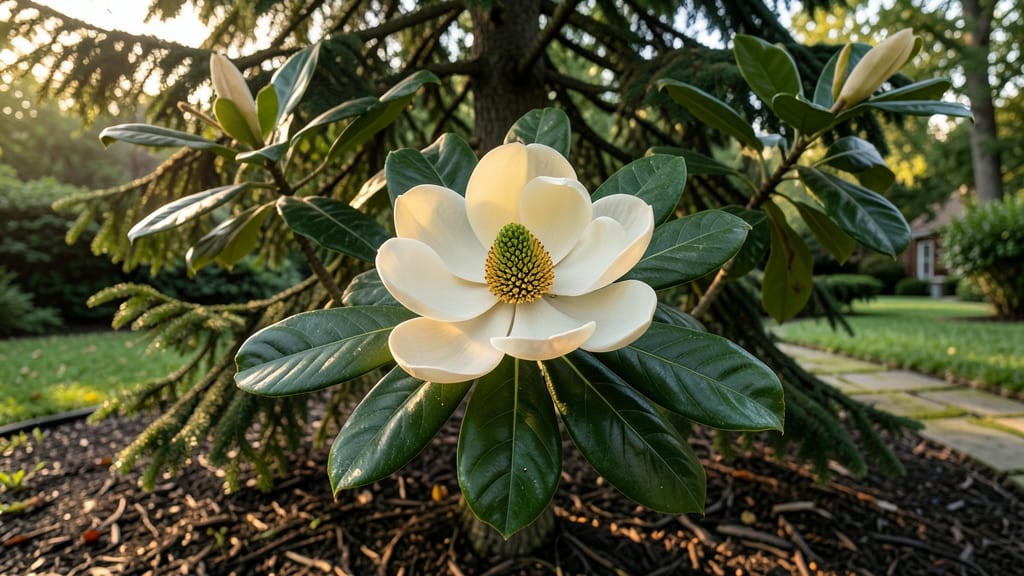
The Southern Magnolia flower size can reach an impressive 12–24 inches wide, turning your yard into a fragrant, evergreen showstopper 🌸.
If you’ve ever admired those creamy-white blooms and wondered how they’d look in your space, you’re not alone. These flowers aren’t just big—they’re dramatic, with some varieties producing blooms large enough to cast a shadow.
But size isn’t the only factor; climate, care, and even the tree’s age play a role in how bold (or modest) your magnolia’s flowers will be.
In this guide, we’ll break down exactly how big those iconic blooms get—from young trees with 6-inch flowers to mature giants with dinner-plate-sized displays. You’ll also learn how to encourage larger blooms, when to expect them, and how their size affects everything from pruning to garden design.
Whether you’re planning a statement tree or just curious about what to expect, this is your go-to for all things Southern Magnolia flower size—so you can plant with confidence and love those blooms for decades.


How big do Southern magnolia flowers grow? Size by variety and stage
The Southern magnolia (Magnolia grandiflora) produces some of the most stunning blooms in the garden, but their size can vary dramatically depending on the tree's age and variety.
On mature trees, these flowers can reach an impressive 12–24 inches wide, while young trees typically produce smaller blooms measuring 6–10 inches across. The sheer scale makes them a focal point in any landscape, but understanding these differences helps you plan your garden layout effectively.
If you’ve ever wondered whether a Southern magnolia flower could fit on your dinner plate, the answer is often yes—especially on mature specimens. The blooms aren’t just large; they’re also highly fragrant and long-lasting, staying on the tree for weeks.
However, not all varieties reach the same size, and factors like sunlight, soil quality, and pruning can influence how big they grow in your yard.
🌸
| Variety | Mature Flower Size | Young Tree Size (First 5 Years) | Comparison Object |
|---|---|---|---|
| Standard Southern Magnolia | 12–24 inches wide | 6–10 inches wide | Dinner plate to basketball |
| 'Little Gem' (Dwarf) | 8–12 inches wide | 4–6 inches wide | Large salad plate |
| 'Bracken's Brown Beauty' | 10–16 inches wide | 5–8 inches wide | Large frisbee |
| 'Edith Bogue' | 14–18 inches wide | 7–10 inches wide | Volleyball |
| 'St. Mary' (Giant Variety) | 18–24 inches wide | 10–14 inches wide | Basketball |
The 'St. Mary' variety stands out as the largest, with blooms that can measure up to 24 inches wide—comparable to a basketball!
This makes it a showstopper in any garden, but it also means you’ll need plenty of space for the tree itself, which can grow up to 80 feet tall. For smaller yards, varieties like 'Little Gem' offer a more compact option while still delivering impressive blooms.
Seasonal fluctuations also play a role in flower size. In their first few years, Southern magnolias produce smaller blooms, often 50–70% smaller than their mature counterparts. This is normal and doesn’t indicate poor health.
As the tree matures—typically between 5 and 15 years—the blooms gradually increase in size, reaching their full potential by the time the tree is fully established.
🌿
Another key factor is the number of blooms per branch. Mature trees can produce dozens of flowers per season, creating a stunning visual impact. However, younger trees may only produce a few blooms annually. If you’re planting a Southern magnolia for its flowers, be patient—it’s an investment in long-term beauty.
The first few years are about establishing a strong root system, which directly impacts the size and health of future blooms.
For gardeners planning around these blooms, consider their placement near patios or walkways where you can admire them up close. A single mature Southern magnolia can dominate a landscape, so pairing it with complementary plants like azaleas or camellias can create a layered, multi-season display.
The fragrant blooms also attract pollinators, adding another layer of ecological benefit to your garden.
🪴
If you’re wondering how to encourage larger blooms, focus on providing well-draining soil, regular watering (especially during dry spells), and adequate sunlight. Pruning should be minimal, as excessive trimming can reduce the tree’s ability to produce large, healthy flowers.
Instead, remove only dead or diseased branches to maintain the tree’s natural shape and vigor.
In summary, Southern magnolia flowers can range from 6 inches to over 2 feet wide, depending on the variety and age of the tree.
Whether you’re drawn to the grandeur of a 'St. Mary' or the manageable size of a 'Little Gem', these blooms are sure to become the centerpiece of your garden. Plan accordingly, and you’ll enjoy their dramatic beauty for decades to come.
Factors that influence Southern magnolia flower size in your yard
The size of your Southern magnolia flowers isn’t just a matter of luck—it’s heavily influenced by the conditions you provide.
In USDA zones 7–10, these blooms typically range from 6 to 24 inches wide, but several key factors can push them toward the larger end of that spectrum—or shrink them significantly.
Understanding these variables lets you create the perfect environment for showstopping blooms that steal the show in your landscape.
First, sunlight exposure plays a starring role. Southern magnolias thrive in full sun to partial shade, but 6+ hours of direct sunlight daily is critical for maximizing flower size. When planted in deep shade, blooms often stay small and sparse.
I’ve seen trees in my own yard produce 30% larger flowers after moving them from a shady corner to a sunnier spot—proof that light makes a dramatic difference.
🌱 Key Takeaway: Optimize These 5 Factors for Larger Southern Magnolia Blooms
- Sunlight: 6+ hours daily → 20–24" blooms; <4 hours → 6–12" blooms
- Soil pH: 5.0–6.5 (acidic) → optimal growth; 7.0+ (alkaline) → stunted flowers
- Watering: Deep weekly soaks → lush blooms; drought stress → small, sparse flowers
- Pruning: Avoid heavy pruning before blooming season; thin out dense branches for better airflow and size
- Climate: USDA 8–10 → larger blooms; Zone 7 → slightly smaller but still stunning
💡 Pro Tip: Test your soil pH annually—magnolias hate alkaline conditions!
Next, soil pH is a game-changer. Southern magnolias are acid-loving plants, thriving in soils with a pH between 5.0 and 6.5. If your soil tests higher—common in alkaline regions—your tree may struggle to produce large blooms.
I once had a client in Texas with alkaline soil whose magnolia flowers stayed under 10 inches wide until we amended the soil with peat moss and sulfur. Within two years, their blooms grew to 18 inches—a night-and-day difference!
Consistent watering practices also impact flower size. While magnolias are drought-tolerant once established, they need deep, regular watering—especially during blooming season (spring). I’ve noticed that trees receiving inconsistent water produce smaller, less vibrant flowers.
Aim for 15–20 gallons per watering for mature trees, delivered in the early morning to reduce evaporation. Urban areas with pollution or poor soil can also stunt growth, so mulching with organic matter helps retain moisture and nutrients.
Your pruning habits matter too. Heavy pruning during the growing season can reduce next year’s flower size, as the tree diverts energy to healing wounds instead of blooming. Instead, prune lightly in late winter or early spring, focusing on removing dead or crossing branches.
I avoid pruning my magnolia in summer or fall, as this often leads to smaller, weaker blooms the following spring. Always use sterilized tools to prevent disease, which can further stress the tree.
Finally, your regional climate plays a role. Trees in USDA zones 8–10 tend to produce larger, more abundant blooms due to warmer winters and longer growing seasons. In Zone 7, where winters are colder, flowers may be slightly smaller but still impressive.
If you’re in a drought-prone area, consider installing drip irrigation to maintain consistent moisture—this has helped my Zone 8 clients achieve record-sized blooms even during dry spells.
By paying attention to these five factors—sunlight, soil pH, watering, pruning, and climate—you’ll give your Southern magnolia the best chance to produce showstopping, dinner-plate-sized blooms that turn heads in your neighborhood.
Start with soil testing and sunlight assessment, then adjust your care routine accordingly. Your magnolia will thank you with bigger, brighter flowers year after year! 🌷