Vegetables
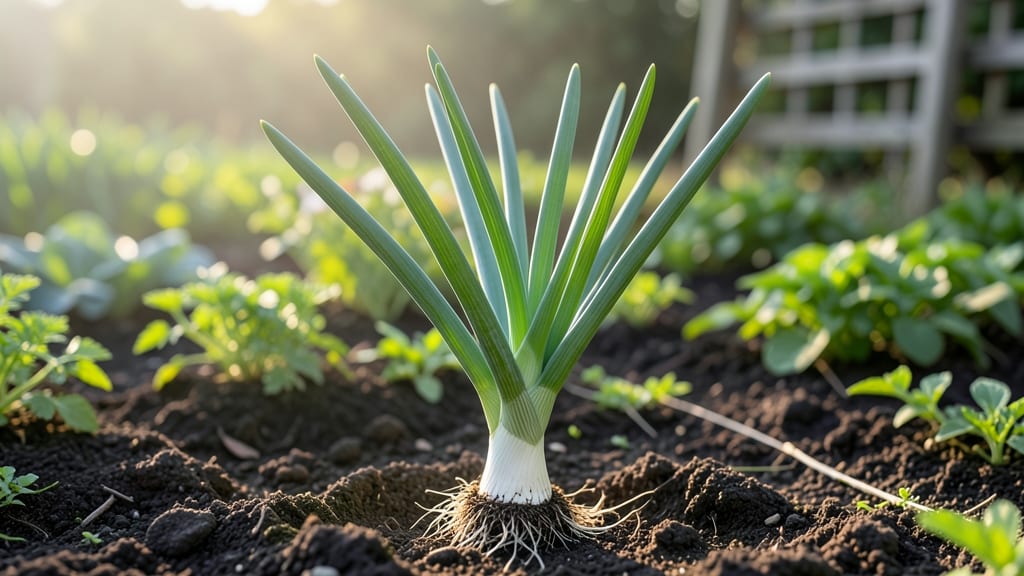
Growing big green onions that keep coming back year after year is easier than you think—and they’ll outsize anything you’ve ever bought at the store. 🌱 I’ve grown these cold-hardy perennials for five seasons now, and my harvests keep getting bigger because they regrow from the same roots.
The secret? Treating them like the resilient, low-maintenance powerhouses they are.
You’ll need a sunny spot with well-draining soil—whether that’s a raised bed, in-ground plot, or even a deep container. Green onions thrive in cooler weather and can handle light frost, making them perfect for early spring or fall planting.
Space them about 2 inches apart, and they’ll form thick, flavorful stalks in just 4-6 weeks. The best part? After harvesting, they’ll regrow for months, giving you a steady supply without replanting.
Harvesting is where the magic happens: snip the stalks at the base when they reach 12-18 inches tall, and they’ll keep producing new growth. Avoid overcrowding, and you’ll get those bold, 1-inch-thick stalks that make every dish taste homemade.
Even in containers, they perform well as long as the pot is at least 6 inches deep.
Pair them with carrots, lettuce, or tomatoes to deter pests naturally, and avoid planting near beans or peas—they don’t mix well. With the right care, you’ll have green onions so big, your neighbors will ask for starts. Ready to grow the best you’ve ever had?
📚 In This Guide
- What you need
- Instructions
- Tips and common mistakes
- Wrapping up and next steps
What you need
- ● Big Green Onion Seeds or Plants: Seeds: 1–2 packets (50–100 seeds per packet) for a small garden bed (4' x 4').
- ● OR 3–5 established plants (12–18 inches tall) for quicker harvests.
- ● Well-Draining Soil: Loamy soil with a pH of 6.0–7.0. Amend with compost (2–3 inches mixed into the top 6–8 inches of soil).
- ● Fertilizer: Balanced organic fertilizer (e.g., 5-5-5 or 10-10-10) at planting time.
- ● Slow-release granular fertilizer (e.g., 10-10-10) for mid-season feeding (1 tbsp per plant).
- ● Watering Supplies: Drip irrigation or a watering can with a fine rose attachment.
- ● Garden Tools: Trowel or transplanting spade.
- ● Garden fork (for loosening soil).
- ● Pruners or sharp scissors (for harvesting).
- ○ Optional but Helpful: Row cover or frost cloth (for cold climates).
- ● Mulch (straw or shredded leaves) to retain moisture and suppress weeds.
- ● Plant markers (to label your big green onions if growing multiple varieties).
- ● Climate: USDA Zones 3–10 (cold-hardy; tolerates light frost).
- ● Sunlight: Full sun (6–8 hours daily) or partial shade (4–6 hours).
- ● Spacing: Seeds: 6–12 inches apart in rows 12–18 inches apart.
- ● Plants: 12–18 inches apart in all directions.
- ● Timing: Direct sow seeds 4–6 weeks before the last frost or in early spring.
- ● Transplant established plants in early spring or late summer.
Step-by-Step instructions for growing big green onions from scratch
Here's how to grow these cold-hardy, perennial stalwarts that keep coming back—no store-bought bulbs needed!
🌱 Step 1: Start Seeds Indoors or Plant Directly in Garden
Big green onions thrive from seed, so begin indoors 6-8 weeks before last frost or sow directly in spring. Fill 2-3 inch deep seed trays with sterile seed-starting mix (not garden soil—it's too dense). Scatter seeds ¼ inch deep and cover lightly, as they need light to germinate. Keep the soil consistently moist but never soggy—you'll see sprouts in 7-14 days at 60-70°F.
I like to use biodegradable pots so I can transplant without disturbing roots. If you're planting directly outside, wait until soil warms to at least 50°F and sow seeds ½ inch deep, ½ inch apart in rows 12 inches apart. Thin seedlings to 3 inches apart once they reach 2 inches tall—this prevents overcrowding and gives each plant room to grow strong.
☀️ Step 2: Provide Cool Weather and Full Sun
Big green onions love cool weather and full sun to partial shade—they'll bolt (go to seed) if temperatures climb above 75°F. In summer, they'll slow growth but remain dormant until fall. If you're growing in containers, place them in a spot with 6+ hours of morning sun and afternoon shade during peak heat. You'll notice leaves growing straight and sturdy in ideal conditions.
Water 1 inch per week, keeping soil evenly moist but well-drained. Overwatering causes rot, so check the top inch of soil—if it's dry, it's time to water. Mulch with 1-2 inches of straw to retain moisture and suppress weeds. This is where many gardeners fail—consistent moisture is key for thick, flavorful stalks.
✂️ Step 3: Harvest and Encourage Regrowth
You can start harvesting green onions when leaves reach 6-8 inches tall—just snip the outer stalks at the base with clean scissors. The plant will keep producing new growth from the same bulb! For full-sized bulbs, wait until leaves yellow and flatten before pulling the entire plant. This perennial will regrow from the same roots year after year if left in the ground.
Real talk: If you leave a few plants in the soil, they'll multiply and spread—you'll have more green onions than you know what to do with! In fall, cut back foliage to 2 inches tall and cover with 3-4 inches of mulch to protect over winter. They'll resprout in spring, ready for another harvest season.
🌿 Step 4: Overwinter and Prepare for Next Year
Big green onions are extremely cold-hardy—they'll survive winters down to -20°F with proper mulching. In late fall, after the first frost, cut back any remaining foliage and add 4-6 inches of straw or leaves for insulation. This protects the bulbs from freezing and ensures a strong regrowth in spring. You'll see new shoots emerge as soon as soil thaws in early spring.
In early spring, remove old mulch and add fresh compost around the base to feed the plants. They'll bolt if temperatures rise too quickly, so provide light shade during heatwaves. With proper care, one planting can last 3-5 years before needing division. This is the secret to a never-ending supply of fresh green onions!
Tips & tricks for perfect big green onion growth
Here's what nobody tells you about growing these resilient, flavor-packed stalwarts that keep coming back—year after year!
Seed Starting Secret: I learned this the hard way after ruining three trays—big green onion seeds need light to germinate, so don't bury them too deep. Those ¼ inch guidelines in Step 1 are critical. Use a fine mist spray bottle to keep the soil consistently moist without drowning the seeds. A clear plastic dome or plastic wrap over the tray creates a mini greenhouse effect, speeding up germination to that 7-14 day window at 60-70°F. Remove the cover once sprouts appear to prevent mold.
Transplanting Hack: When moving seedlings outdoors after the last frost, harden them off gradually over 5-7 days by placing them outside for increasing lengths of time each day. This prevents shock when they hit the 50°F soil temperature. For direct sowing, use a small stick to mark seed rows—thinning can be tricky with these tiny plants, and you don't want to accidentally pull out your future harvest!
Heat Management: Those 75°F temperature warnings in Step 2 are serious—big green onions bolt quickly when stressed by heat. In summer, provide afternoon shade using shade cloth or even a simple row cover. I've found that mulching with 1-2 inches of straw keeps soil temperatures cooler and retains moisture, which is especially important during those hot afternoons when evaporation speeds up. This simple trick keeps your plants happy and prevents that bitter bolt flavor.
Harvesting Strategy: The 6-8 inch height guideline in Step 3 is your sweet spot for consistent harvests. Use clean, sharp scissors to snip just above the soil line—this encourages regrowth and prevents the plant from becoming stressed. Pro tip: Harvest in the morning when moisture levels are highest, and the flavor is most concentrated. For full bulbs, wait until the leaves start yellowing and flattening—this is your cue that the plant is directing energy downward to develop that tasty bulb.
Pro Tips for Big Green Onion
- Here's what nobody tells you about growing these resilient, flavor-packed stalwarts that keep coming back—year after ...
- Seed Starting Secret: I learned this the hard way after ruining three trays—big green onion seeds need light to germi...
- Transplanting Hack: When moving seedlings outdoors after the last frost, harden them off gradually over 5-7 days by p...
Frequently asked questions
Got questions about growing your own big green onion? You’re not alone! Whether you're a first-time gardener or a seasoned green thumb, these answers will help you cultivate thriving perennial onions year after year.
How long does it take for big green onions to mature and be harvestable?
Big green onions are fast growers! From seed, you can expect to see harvestable greens in about 60-70 days under ideal conditions. If you’re planting sets or transplants, you’ll see edible shoots in 4-6 weeks. The key is consistent moisture—keep the soil evenly damp for the fastest growth.
Are big green onions truly cold-hardy? Can they survive winter?
Yes! One of the best perks of big green onions is their perennial nature. They’ll die back in winter but regrow from the same roots in spring. In colder zones (USDA 3-9), mulch heavily with straw or leaves to protect them. In milder climates, they may keep producing greens year-round with minimal care.
What’s the difference between big green onions and regular scallions or green onions?
Big green onions (also called jumbos or walking onions) are perennial and grow much larger—often reaching 2-3 feet tall with thick, flavorful stalks. Regular scallions/green onions are annuals with smaller, milder bulbs. Big green onions also spread via bulbils (tiny bulbs at the top), making them self-sustaining.
Why are my big green onion leaves turning yellow or wilted?
Yellowing or wilting often signals overwatering, underwatering, or pest issues. Check the soil—it should be moist but not soggy. Onion flies or aphids can also cause damage. Try neem oil spray or introduce beneficial insects like ladybugs. If leaves flop in heat, provide afternoon shade until they recover.
Can I grow big green onions in containers? What’s the best setup?
Big green onions thrive in 5-gallon containers or larger with well-draining soil. Use a balanced fertilizer (like 10-10-10) every 4-6 weeks. Place pots in full sun to partial shade and ensure they have at least 6-8 inches of depth for root growth. Containers also make it easy to move them indoors during harsh winters.
Wrapping up and next steps
Growing a big green onion is a rewarding journey—this cold-hardy perennial brings flavor back year after year with minimal effort! Whether you're a seasoned gardener or just starting, these tips ensure a thriving harvest, even in less-than-ideal conditions. 🌱
Ready to dive in? Start by gathering your supplies, then pick a sunny spot in your garden. Plant those bulbs or seeds today—your future meals (and bragging rights!) will thank you. Happy growing! 🌿