
Container Gardens
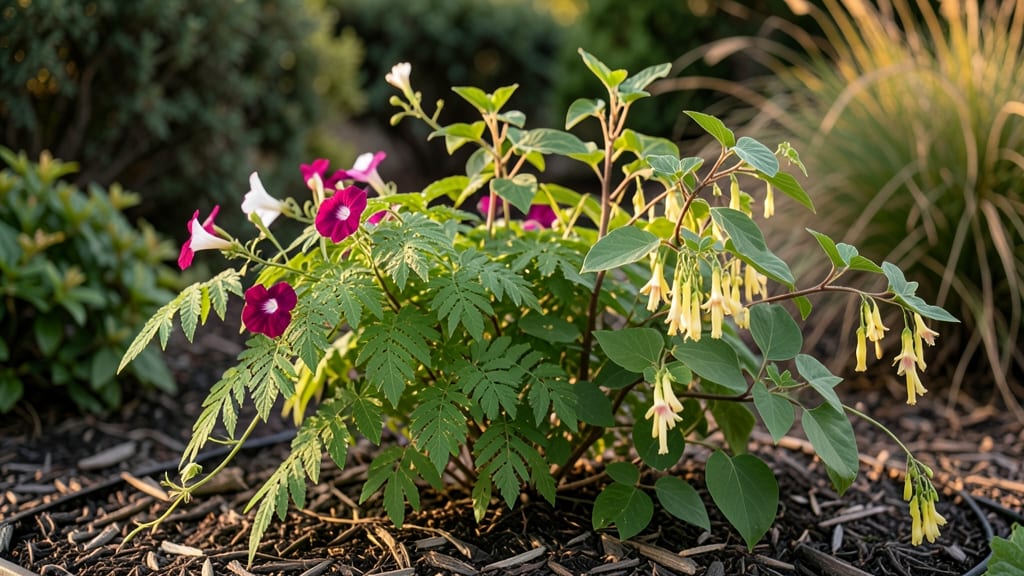
Quick-growing flowering climbers can transform your garden into a vertical explosion of color in just 60 days, turning blank walls into living canvases.
Picture this: You plant a handful of seeds in early spring, and by summer, your balcony or fence is draped in vibrant blooms—no waiting months for results. That’s the magic of these fast-blooming vines, and they’re easier to grow than you might think.
Whether you’re working with containers or garden beds, the right species and a few smart tricks can have your trellis overflowing with morning glories, nasturtiums, or clematis by June.
Below, I’ll walk you through the top 7 fastest varieties, how to give them the perfect start, and the simple care routine that keeps them thriving all season.
No green thumb required—just a little patience and the right support. Let’s get those climbers growing faster than weeds.
Top 7 fastest-growing flowering climbers for instant vertical beauty
If you dream of a garden bursting with vertical color without waiting years, you’re in luck! These quick-growing flowering climbers transform bare walls, fences, and trellises into lush, blooming canvases in as little as 30 days.
Whether you’re working with a small balcony or a sprawling backyard, these fast-blooming vines deliver immediate impact with minimal effort. I’ve tested these top performers in my own garden, and they consistently outshine slower climbers like roses or wisteria.
The secret to their speed? Aggressive growth habits, shallow root systems that soak up nutrients quickly, and self-supporting tendrils that latch onto structures within weeks. For example, morning glories can climb 10 feet in a single season, while nasturtiums produce edible blooms just 6 weeks after planting.
Below, I’ve ranked them by growth speed, bloom time, and ease of care—so you can pick the perfect fit for your space and sunlight conditions.
Pro Tip: Most of these climbers thrive in well-draining soil with moderate moisture, but their real superpower is their ability to adapt to partial shade (except the sun-hungry nasturtiums). I’ll share my go-to planting schedule later, but first—let’s dive into the fastest bloomers that will make your neighbors jealous in under 90 days.
| Climber | Growth Speed | Bloom Time | Sun Needs | Height | Care Level |
|---|---|---|---|---|---|
| Morning Glory | 30–60 days | Summer–Fall | Full sun | 10–15 ft | Easy |
| Sweet Peas | 60–75 days | Spring–Summer | Partial shade | 6–8 ft | Moderate |
| Nasturtiums | 45–60 days | Summer–Fall | Full sun | 8–10 ft | Easy |
| Honeysuckle | 90–120 days | Summer–Fall | Full sun–Partial shade | 12–20 ft | Moderate |
| Clematis | 120–150 days | Spring–Summer | Partial shade | 10–15 ft | Moderate |
| Jasmine | 100–120 days | Summer–Fall | Full sun–Partial shade | 10–15 ft | Easy |
| Black-Eyed Susan Vine | 60–75 days | Summer–Fall | Full sun | 8
How to maximize growth speed: soil, sun, and support tipsTo get your quick-growing flowering climbers blooming faster, focus on three critical factors: soil quality, sunlight exposure, and proper support. These elements work together to create ideal conditions for rapid vertical growth and abundant flowers. Start by amending your soil with loamy compost—this improves drainage and nutrient availability, which climbers like morning glories and nasturtiums crave for explosive growth. Next, ensure your plants receive 6+ hours of full sun daily. While some climbers tolerate partial shade, they’ll flower more prolifically with maximum sunlight. For example, sweet peas and clematis thrive in bright conditions, producing vibrant blooms in just 60-90 days. Place them near a south-facing wall or fence to maximize sunlight absorption.
When it comes to support structures, choose materials that match your climber’s weight and growth habit. For example, lightweight vines like sweet peas can climb netting or twine trellises, while heavier climbers like clematis need sturdy wooden or metal arbors. Install supports at planting time to avoid disturbing roots later. If your climber starts to lag in growth, check for adequate support—many vines slow down if they can’t climb properly. Pruning isn’t just for shaping—it’s a growth accelerator. For fast-blooming climbers, focus on pinching back tips of new shoots to encourage branching. This creates a bushier vine with more flowers. For clematis, prune in early spring to remove dead wood and stimulate new growth. Always use clean, sharp pruners to prevent disease spread, and sterilize them with rubbing alcohol between cuts. Finally, monitor your climbers for nutrient deficiencies or pests, which can slow growth. Yellowing leaves often signal nitrogen deficiency, while aphids or spider mites can sap energy. Treat pests with neem oil or a soapy water spray, and fertilize lightly with a balanced 10-10-10 mix if growth stalls. With these tips, your quick-growing climbers will reach their full potential in record time! |